 News
NewsG&H Receives JAXA Letter of Appreciation for Contributions to the LUCAS Programme
G&H, has received a Letter of Appreciation from the Japan Aerospace Exploration Agency (JAXA).
Read more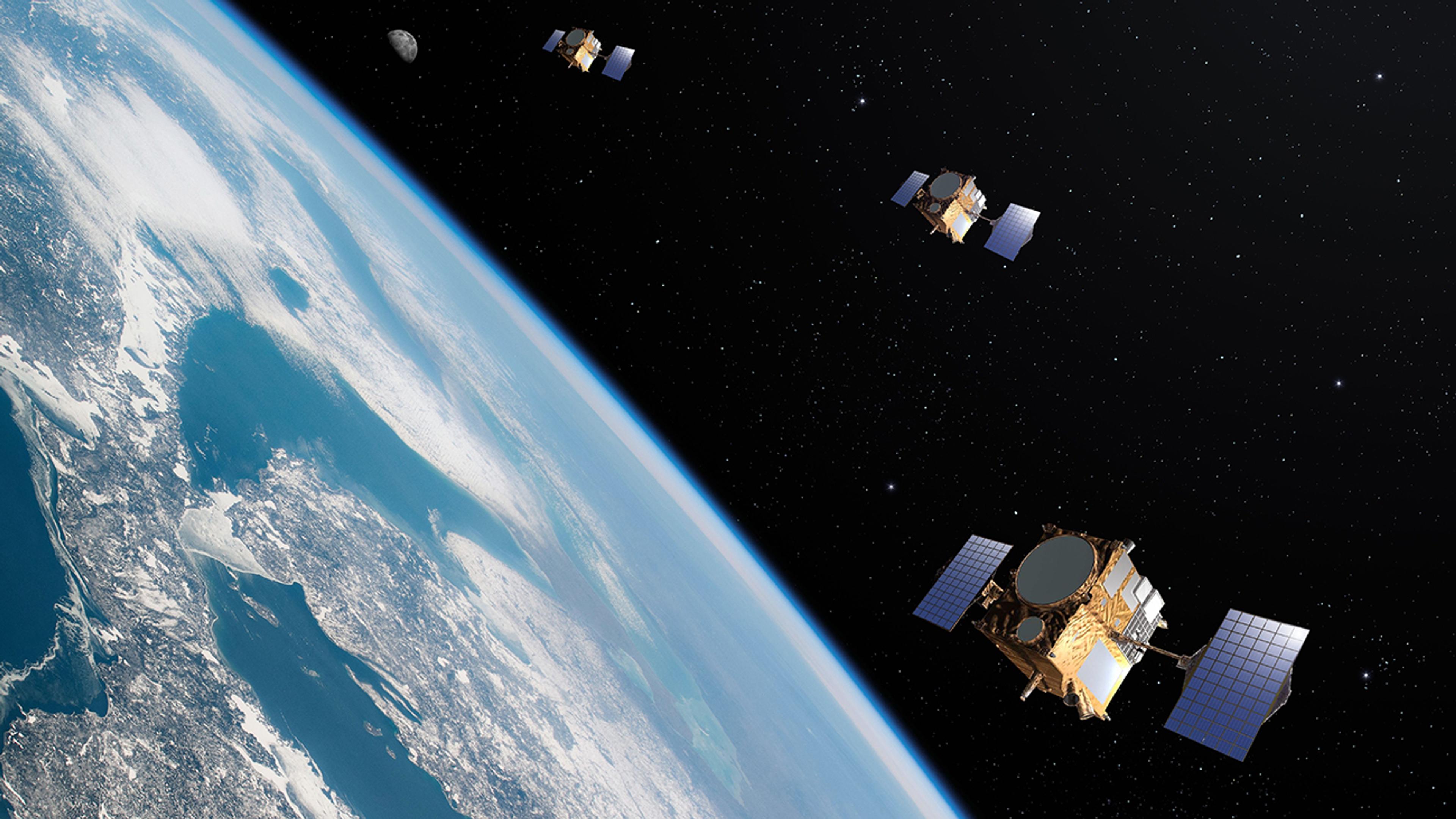
Satellite communication systems are undergoing a fundamental architectural shift. As operators move away from a small number of high-cost geostationary (GEO) platforms toward large constellations of Low Earth Orbit (LEO) satellites, the requirements placed on onboard photonic technologies are becoming more demanding - and more unforgiving.
High-speed optical links, whether for inter-satellite communication or ground-to-space connectivity, must now be delivered at unprecedented scale while meeting strict constraints on size, weight, power, and cost (SWAP-C). At the same time, these systems must operate reliably in some of the harshest environments imaginable, with no opportunity for repair.
Meeting these competing demands requires more than incremental improvements to individual components. It demands a system-level approach to photonic design, manufacturing, and qualification.
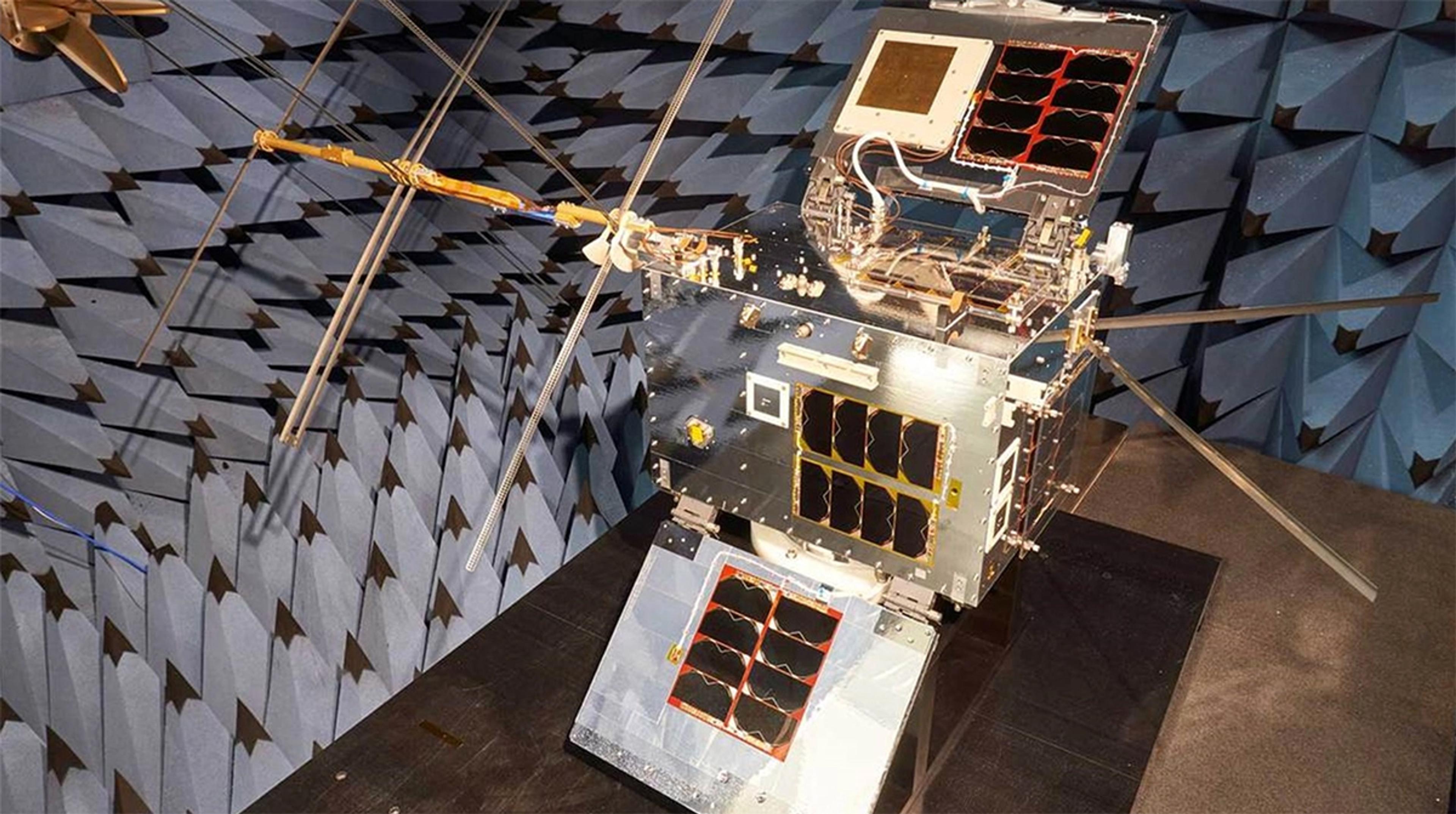 ©️ University of Toronto Institute of 'Aerospace Studies Space Flight Laboratory'
LEO satellites typically orbit at altitudes below 1,000 km, enabling lower latency and reduced link losses compared to GEO systems. These advantages make LEO architectures attractive for high-capacity data transfer, global coverage, and resilient network topologies.
However, the benefits come with a tradeoff. LEO constellations rely on hundreds or thousands of satellites, each with a limited mass and power budget. Unlike traditional GEO missions - where bespoke, high-cost payloads are acceptable - LEO economics depend on repeatability, manufacturability, and cost control without compromising performance or reliability.
This shift places enormous pressure on the photonic subsystems that underpin high-speed optical communications.
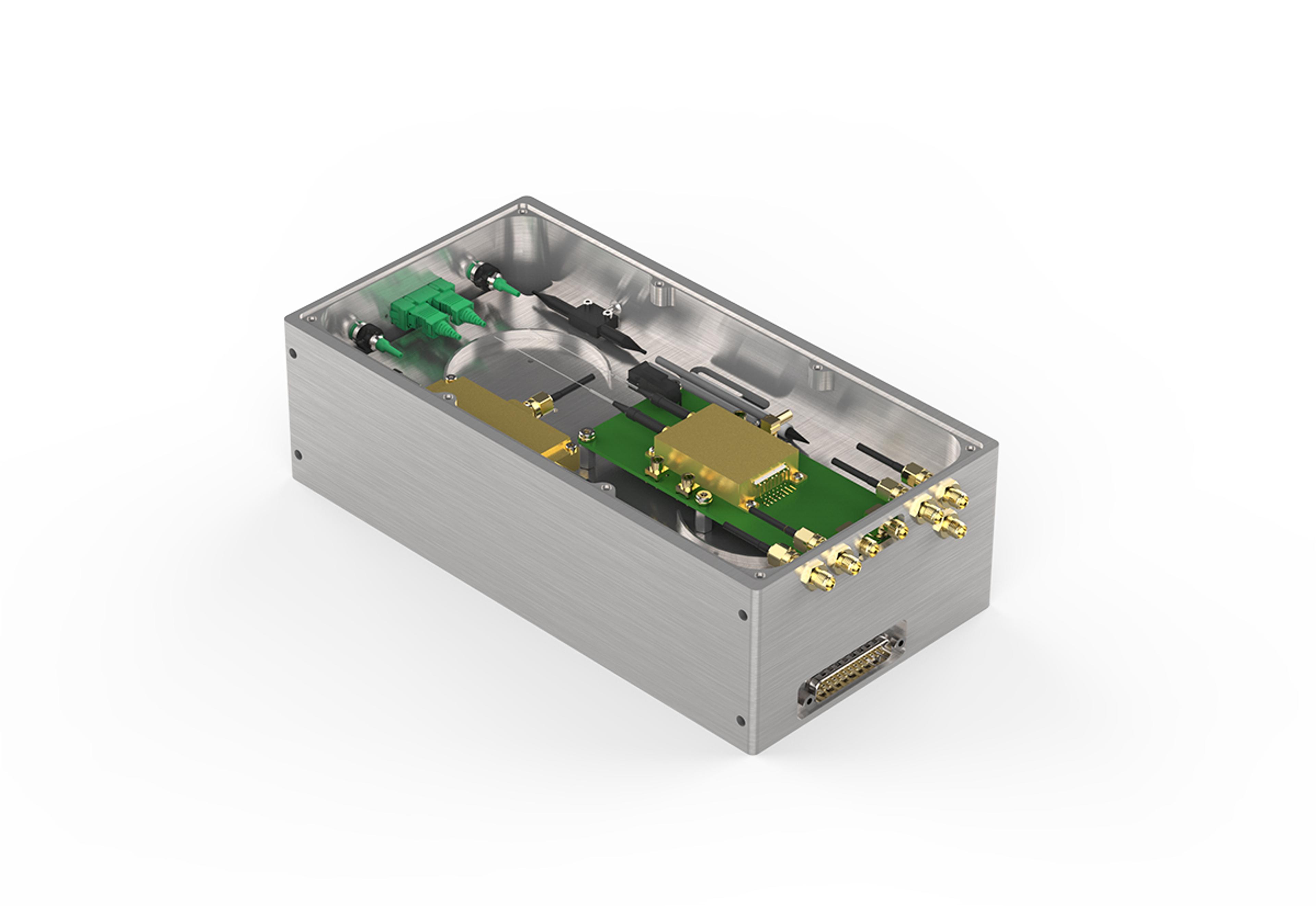
 ©️ G&H Custom OEM Fiber Optic Module
Every gram launched into orbit carries a cost penalty. Every watt consumed affects thermal management, power architecture, and mission lifetime. As a result, SWAP-C optimization is not a secondary consideration - it is a primary design driver.
Reducing size and mass while maintaining mechanical robustness is particularly challenging in space environments. Components must survive launch vibration and shock, operate across extreme temperature ranges, and maintain optical alignment over long mission durations. Meaningful gains are typically achieved not through radical redesigns, but through incremental, system-level optimization, where mechanical, optical, electronic, and thermal considerations are addressed together.
Power efficiency is equally critical. There is no single technology that delivers low-power operation in isolation; it is achieved through careful architectural choices, component matching, and packaging strategies informed by deep domain expertise.
This is where vertical integration becomes a decisive advantage.
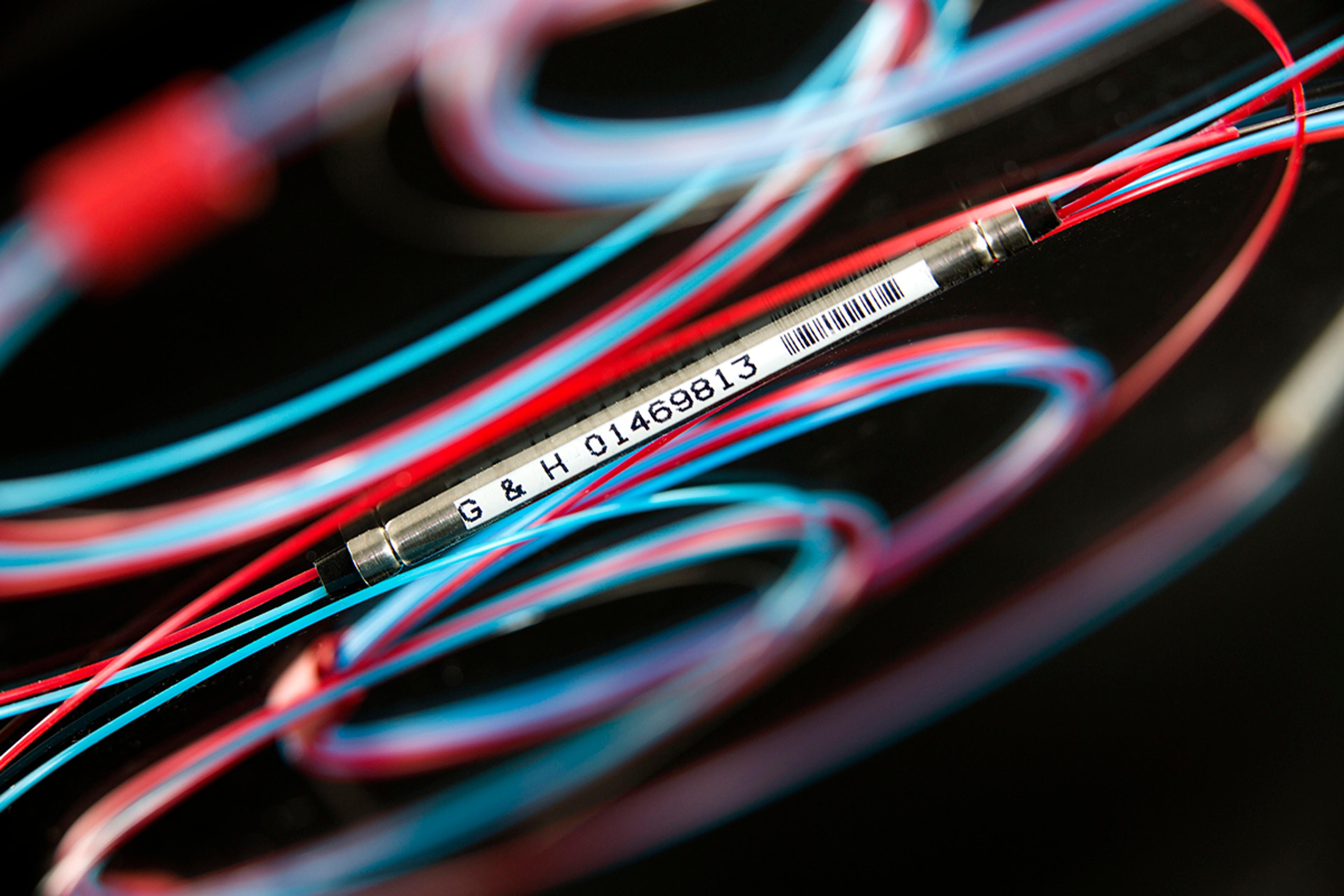
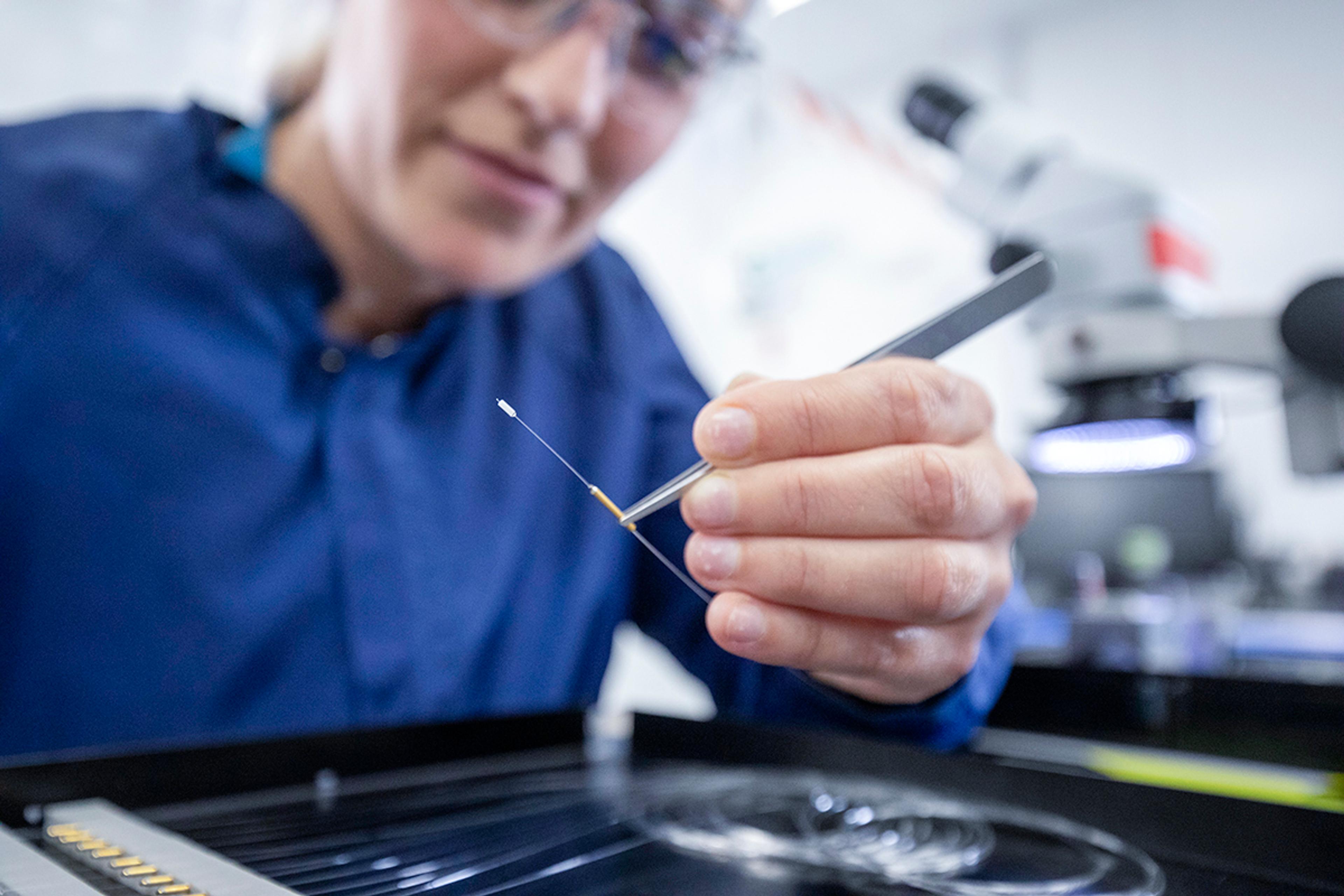 ©️ G&H Torquay fiber optics
For space-based photonics, vertical integration is not about convenience - it is about control.
Designing, manufacturing, assembling, and testing photonic components and subsystems under one roof enables:
This level of integration is essential when scaling production to support constellation-level deployment while maintaining space-grade performance.
Choosing an engineering partner with proven space heritage and vertically integrated capabilities significantly reduces program risk, shortens development cycles, and improves long-term mission outcomes.
 ©️ G&H Fiber-Q®
Space systems operate under extreme conditions: vibration and shock during launch, wide thermal excursions in orbit, radiation exposure, and strict outgassing requirements. Even components that perform flawlessly on Earth can fail prematurely if not specifically engineered for these environments.
Ruggedized, temperature-stable, radiation-tolerant photonic components are therefore essential to maintaining link integrity and overall system reliability. Achieving this requires more than materials selection - it demands a deep understanding of packaging, housing design, and thermal-mechanical behavior.
Poorly designed housings can amplify thermal stresses or mechanical resonances, undermining otherwise robust components. Advanced tools such as finite element modeling play a critical role in identifying and mitigating these risks early in the design process.
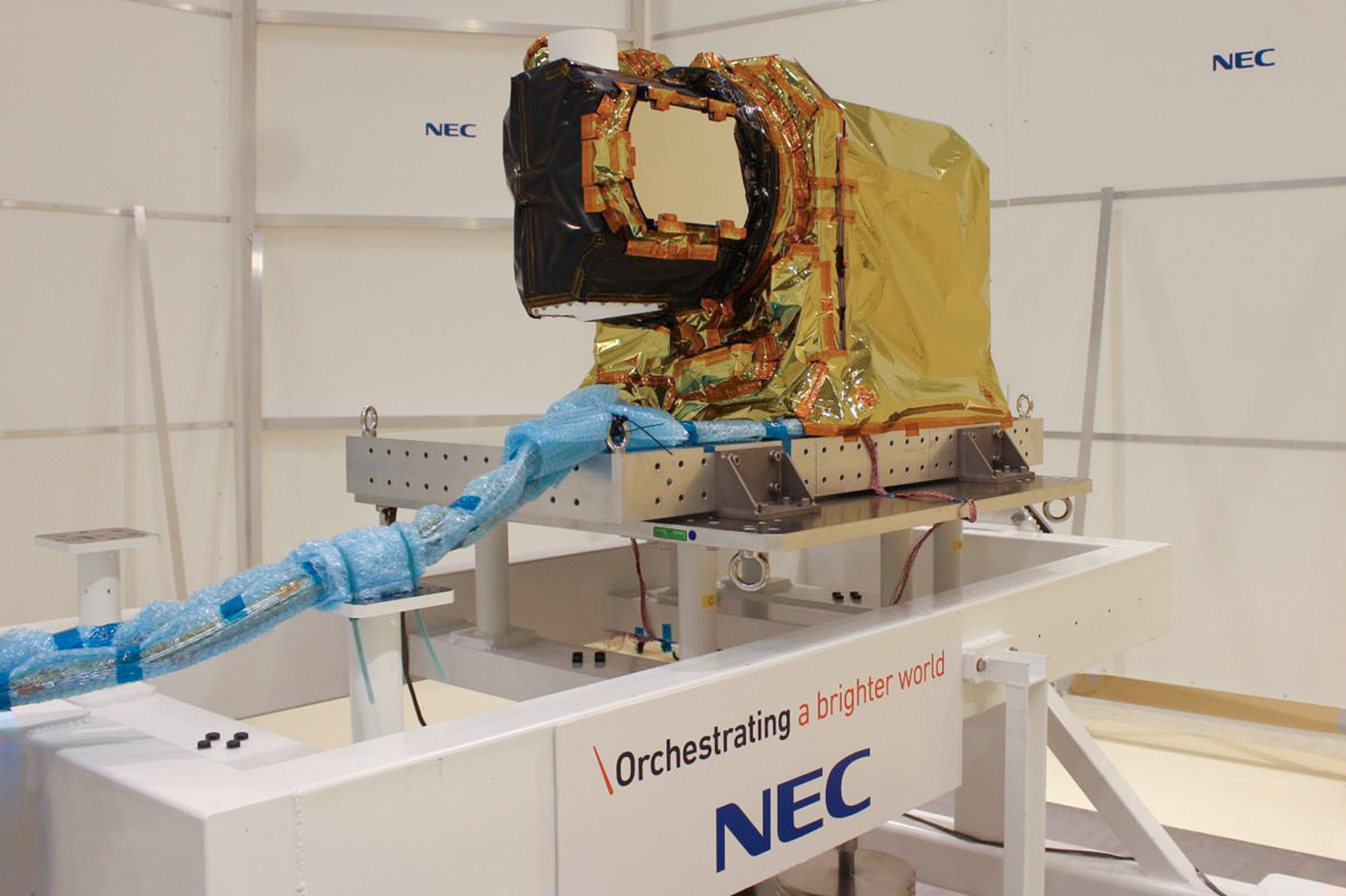
 ©️ Project EPOS (Extremely Powerful Optical Sources)
High-speed satellite connectivity depends on a tightly integrated set of photonic technologies, including:
High-performance lasers and associated electronics must deliver precise, stable operation at high data rates while minimizing power consumption. Optical amplification is equally critical, particularly for compensating transmission losses over long inter-satellite distances.
G&H has played a pioneering role in this area, including the development of the first commercial optical amplifier deployed in geostationary orbit. Through Project EPOS (Extremely Powerful Optical Sources) in collaboration with the European Space Agency, G&H continues to advance the state of the art in space-based optical amplification.
High-stability laser sources and timing technologies further support accurate synchronization across satellite networks - an essential requirement for coherent optical communication and precise data transfer.
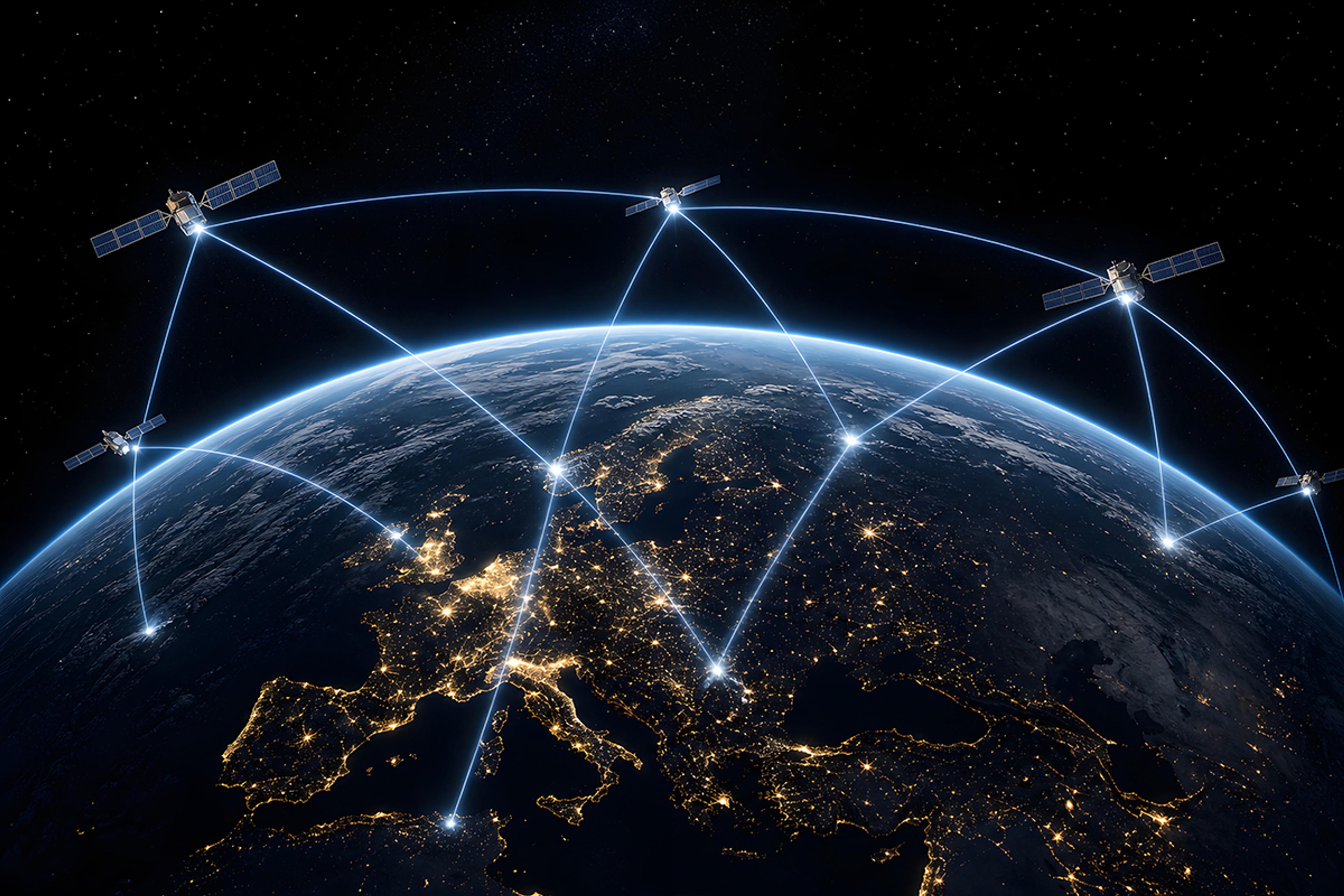
G&H photonic solutions have been successfully deployed across a wide range of space programs, including Mars Perseverance Rover 2020, Hayabusa2, ExoMars Trace Gas Orbiter, and the ExoMars Rover. These missions reflect decades of sustained investment in space-qualified design, testing, and certification.
This heritage underpins G&H’s ability to support both cutting-edge exploration missions and the emerging demands of high-volume satellite constellations.
As LEO satellite constellations continue to scale, the demands on photonic subsystems will only intensify. Success will depend on solutions that balance performance, reliability, manufacturability, and cost - without compromise.
With vertically integrated capabilities, deep space heritage, and a system-level engineering approach, G&H serves as a one-stop partner for organizations tackling the challenges of high-speed connectivity in space. As satellite communication technology continues to evolve, G&H remains positioned at the forefront - enabling robust, scalable optical links across the next generation of space systems.