Acousto-Optics
Unmatched optical power handling and optical performance. Delivered consistently over time and in volume.
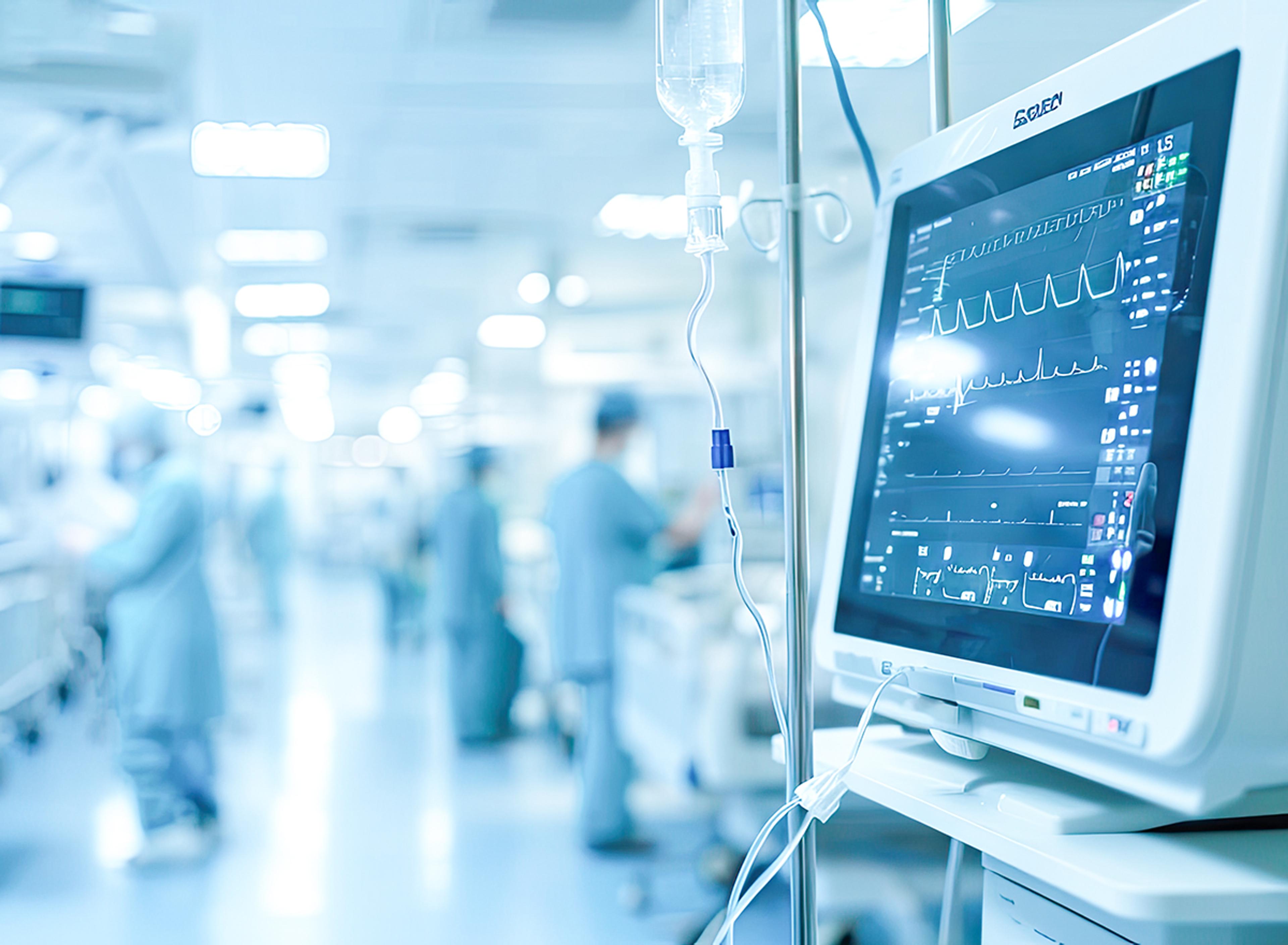
Clinical microbiology sits at the frontline of modern healthcare. From identifying bloodstream infections to tracking antimicrobial resistance, diagnostic decisions made in microbiology laboratories directly influence patient outcomes, treatment pathways, and public health response. As infectious disease threats grow more complex, laboratories face mounting pressure to deliver faster, broader, and more reliable results - often from smaller sample volumes and within increasingly constrained clinical workflows.
Across this landscape, photonics has emerged as a critical enabling technology. By allowing light to be precisely generated, manipulated, and detected, photonic systems underpin many of today’s most advanced diagnostic platforms. Increasingly, it is the performance of these photonic subsystems within the broader diagnostic instrument architecture - not assay chemistry alone - that defines diagnostic speed, sensitivity, and confidence.
The interaction between optics, mechanics, electronics, and software ultimately determines how reliably that performance translates into clinical results.
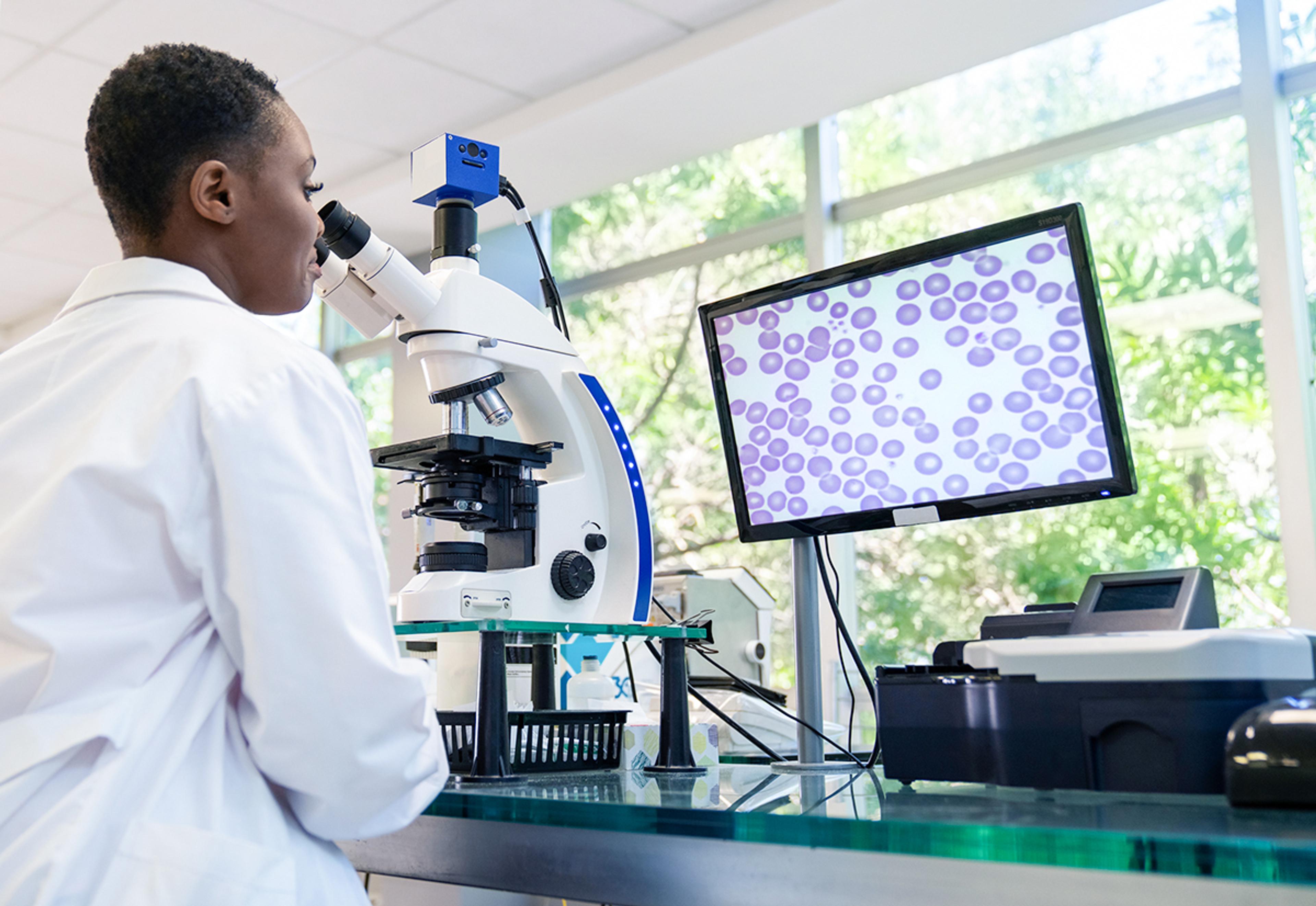
Modern clinical microbiology must balance competing demands:
Traditional culture-based methods, while reliable, are slow. Molecular and optical diagnostics have accelerated detection dramatically, but they introduce new technical challenges - particularly as platforms evolve toward higher degrees of multiplexing and automation.
Photonics plays a central role in addressing these challenges by enabling sensitive detection, parallel measurement, and real-time analysis across a wide range of diagnostic modalities.
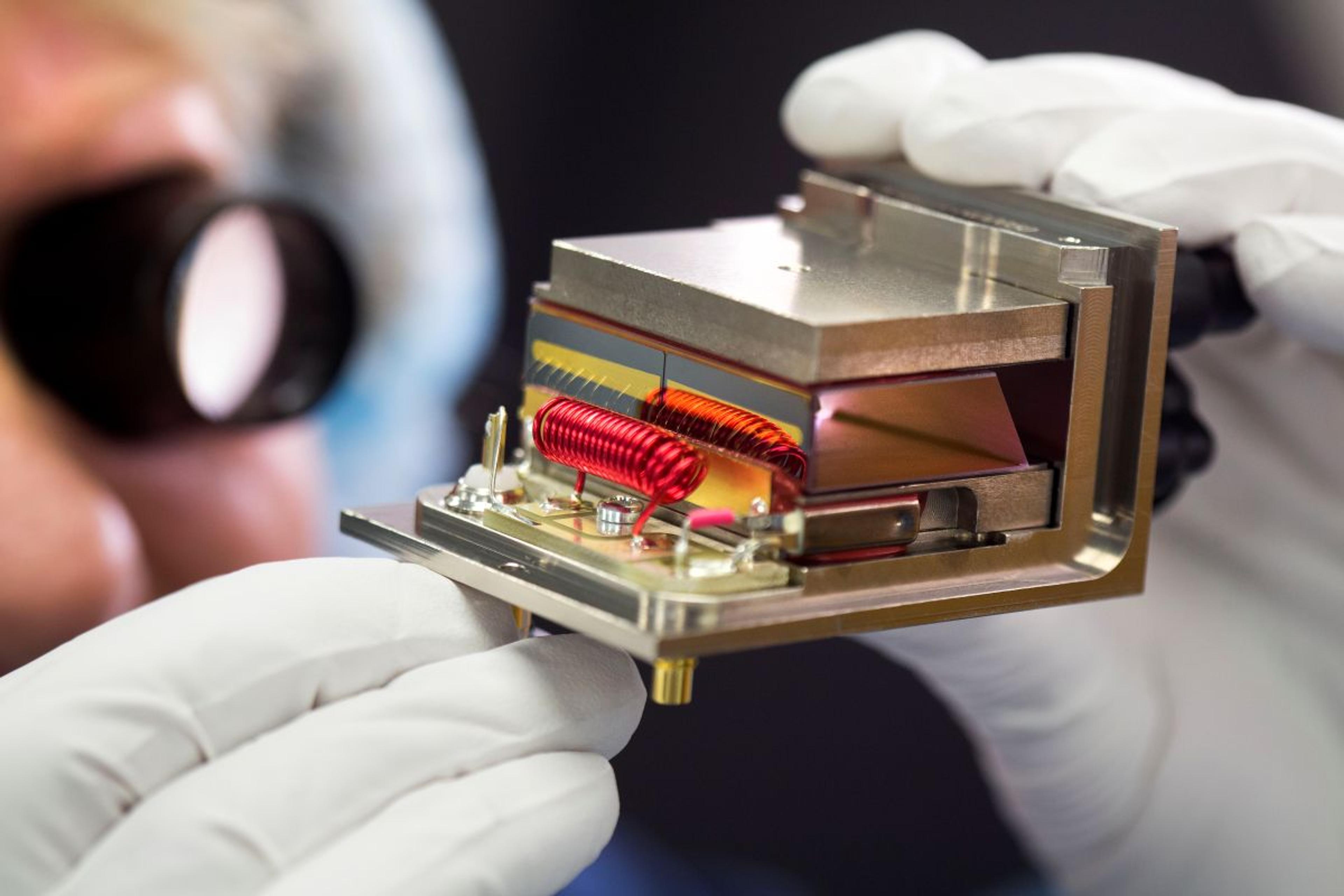
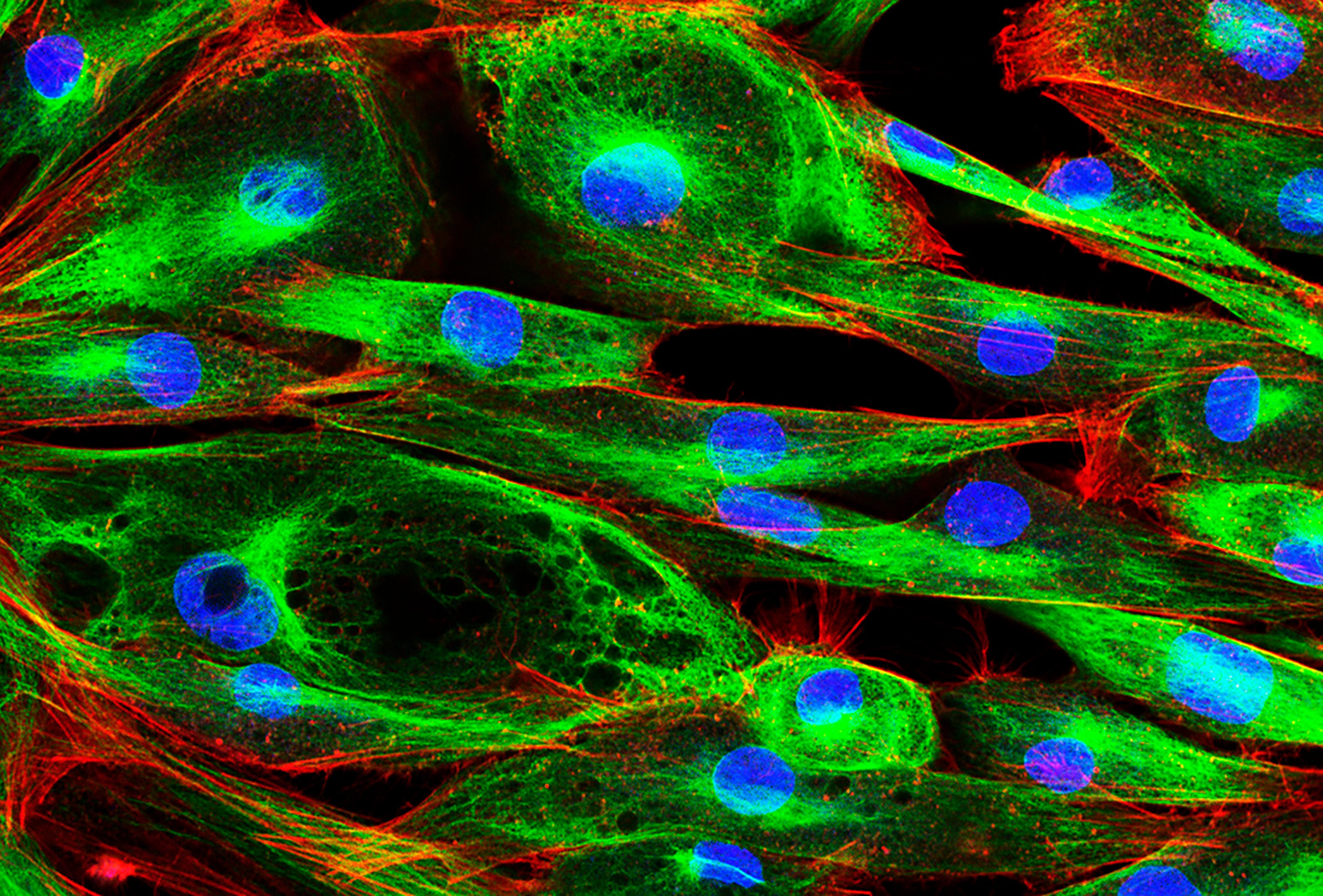 ©️ Confocal fluorescence microscopy
Fluorescence remains one of the most widely used optical techniques in clinical microbiology. It underpins applications ranging from flow cytometry and immunoassays to nucleic-acid-based detection and cell-based susceptibility testing.
As diagnostic panels expand, laboratories increasingly rely on multiparametric assays capable of detecting dozens of pathogens or biomarkers simultaneously. This shift dramatically increases information density - but it also compresses the available optical space.
More targets require:
While biological reagents enable specificity, optical performance determines how much information can be extracted reliably. Spectral overlap, drift, or instability can lead to ambiguous results, increased repeat testing, and reduced clinical confidence.
Advanced photonic components - such as acousto-optic devices, tunable filters, and precision optical assemblies - enable dynamic wavelength control and rapid modulation without mechanical motion. These capabilities support high-throughput workflows while preserving the signal integrity required for reliable pathogen differentiation.
In many clinical microbiology systems, wavelength control - not biology - defines the practical limits of multiplexed diagnostics.
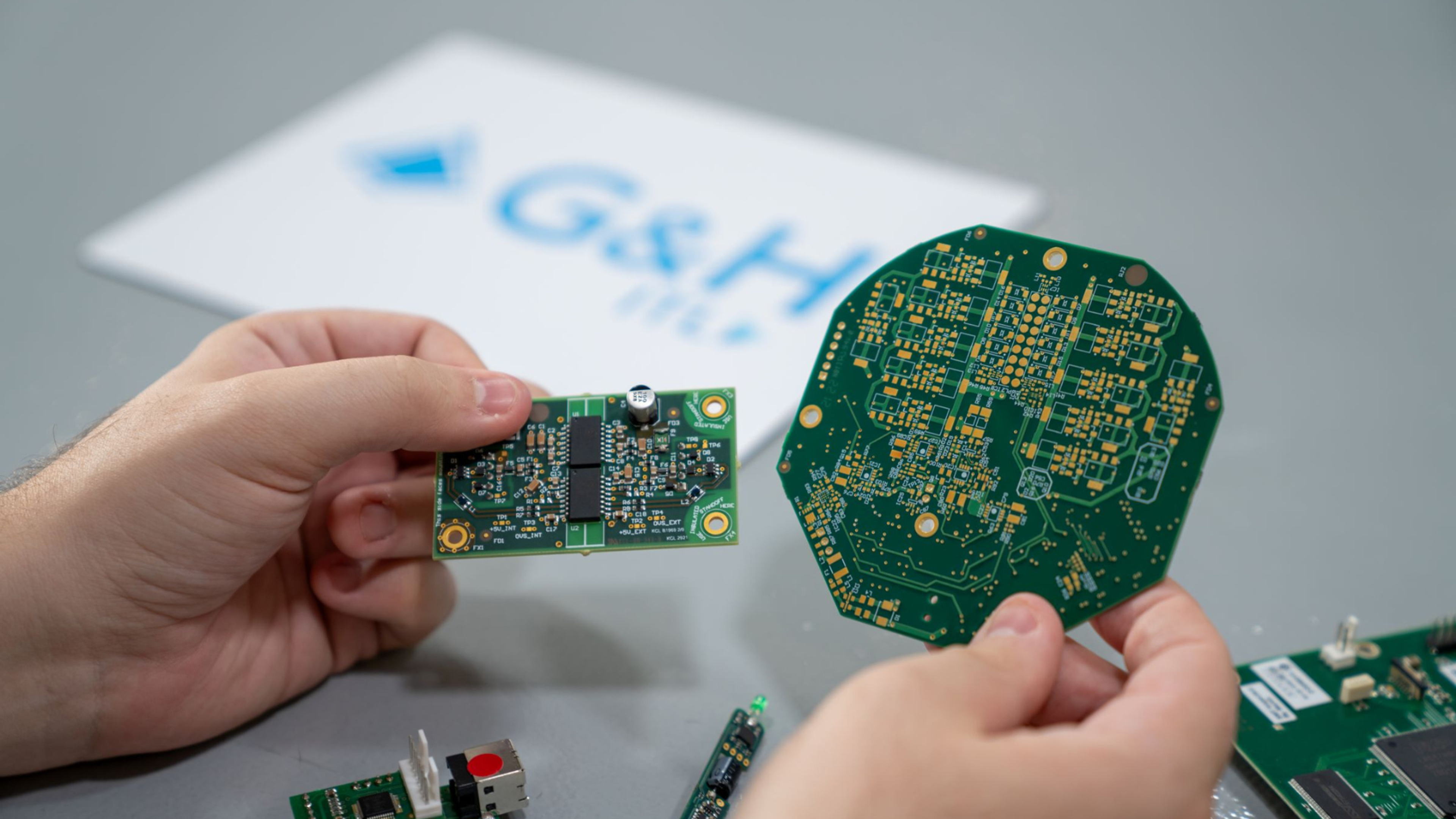
 ©️ G&H | ITL
Unlike research environments, clinical microbiology laboratories demand consistent performance over thousands of diagnostic cycles. Optical drift, thermal sensitivity, mechanical misalignment, or electronic noise can all translate directly into operational inefficiencies and regulatory risk.
In practice, signal integrity is not governed by photonics alone – it is the result of how photonic subsystems are integrated within the diagnostic instrument.
High-performance diagnostic platforms must therefore balance:
Achieving this requires tight coordination between optical design, mechanical engineering, electronics, and software. Photonic components provide the foundation, but instrument-level engineering ensures that signal integrity is preserved from photon to result.
For clinical deployment, manufacturing control and system-level validation become decisive. Instruments must maintain calibration, minimize downtime, and operate consistently within regulated environments – where repeatability is not optional, but essential.

As diagnostic platforms generate richer optical datasets, artificial intelligence is increasingly used to extract actionable insights. Machine learning algorithms can analyze fluorescence signatures, flow cytometry patterns, or spectroscopic data to:
However, AI is only as effective as the data it receives. High-quality optical signals - free from noise, distortion, or drift - are essential for reliable algorithmic interpretation. In this way, photonics and AI are tightly coupled: photonic precision enables data fidelity, and AI multiplies its diagnostic value.
Beyond established diagnostic techniques, advances in optical and quantum-enhanced sensing point toward future capabilities in clinical microbiology. Techniques developed for ultra-sensitive measurement - originally in physics and metrology - are beginning to influence biosensing research, with the potential to detect biomarkers, pathogens, or cellular changes at unprecedented sensitivity.
While many of these approaches remain in development, they reinforce a broader trend: diagnostic progress is increasingly constrained by how precisely light can be controlled and measured.
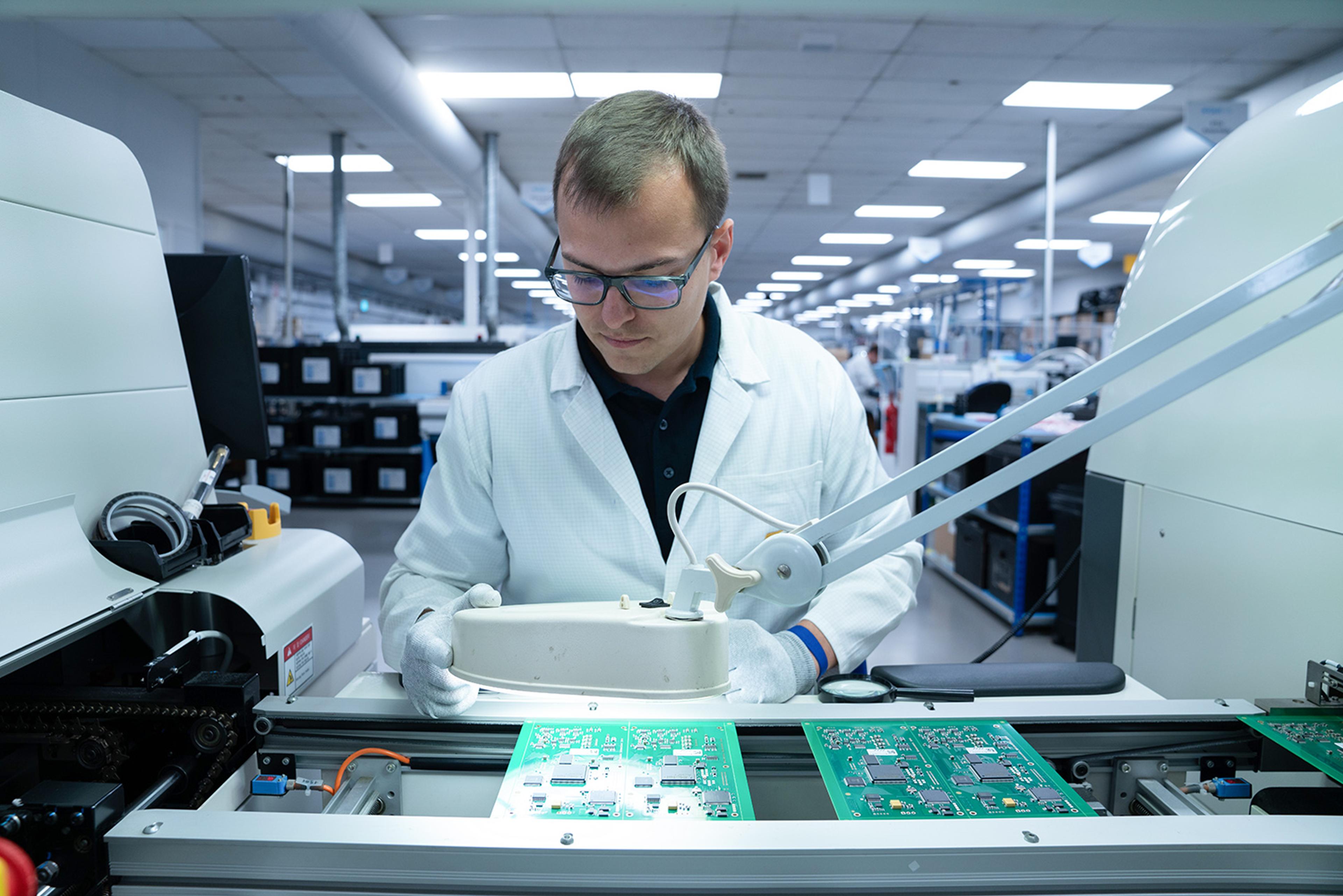 ©️ G&H | ITL
Translating advanced photonic technologies into clinically deployable diagnostic systems requires more than innovation at the component level. Devices must be engineered as fully integrated instruments, where optical performance, mechanical stability, electronics, and software operate as a unified system.
G&H (Gooch & Housego) supports clinical diagnostics OEMs and innovators with expertise that spans both photonic subsystems and instrument development. From early feasibility and optical architecture through system design, New Product Introduction (NPI), regulated manufacturing, and long-term lifecycle support, G&H helps bring complex diagnostic platforms from concept to clinical reality.
This includes:
By integrating precision photonics within robust instrument architectures, G&H enables diagnostic platforms that deliver consistent, high-integrity results where it matters most - in clinical decision-making and patient care.
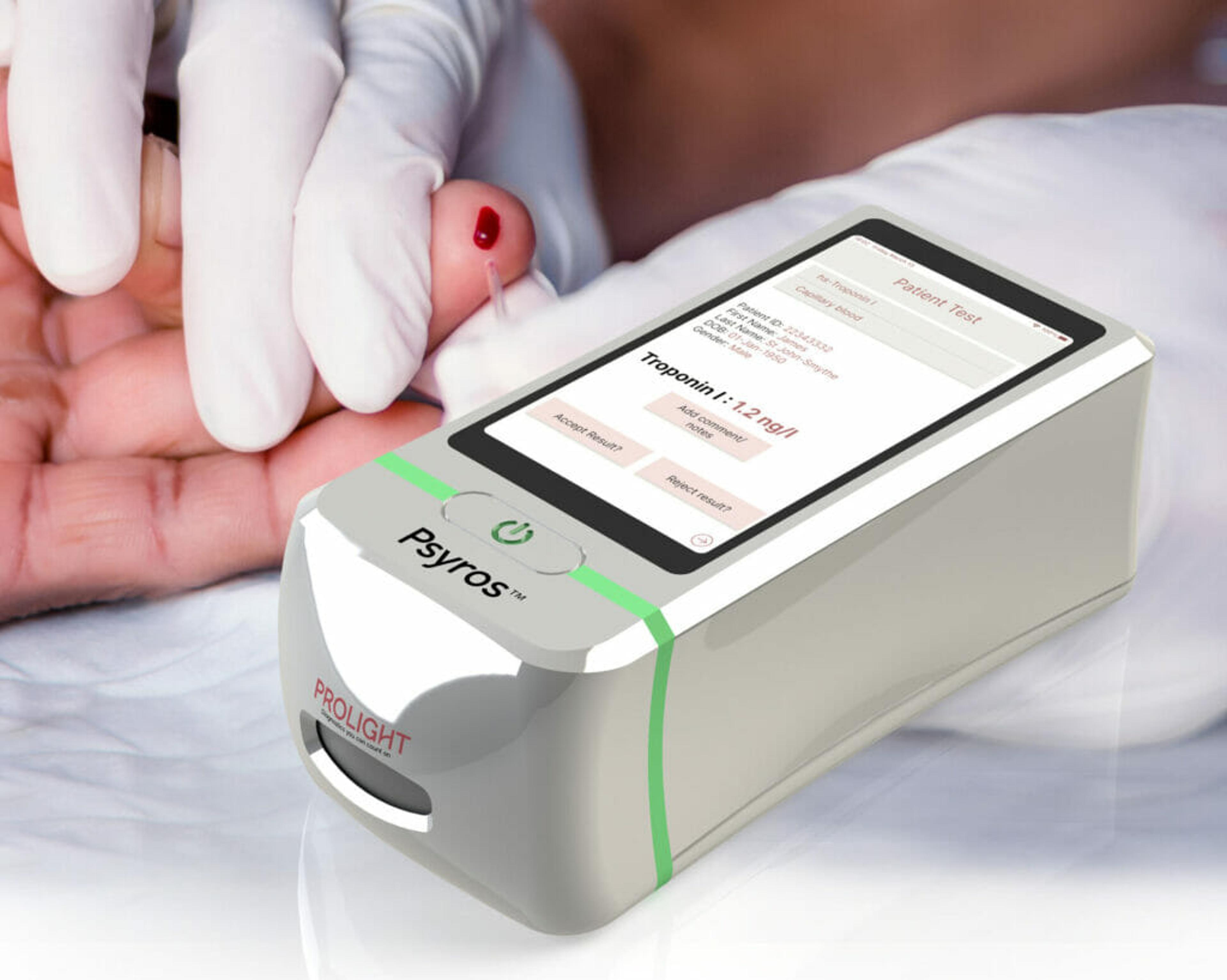
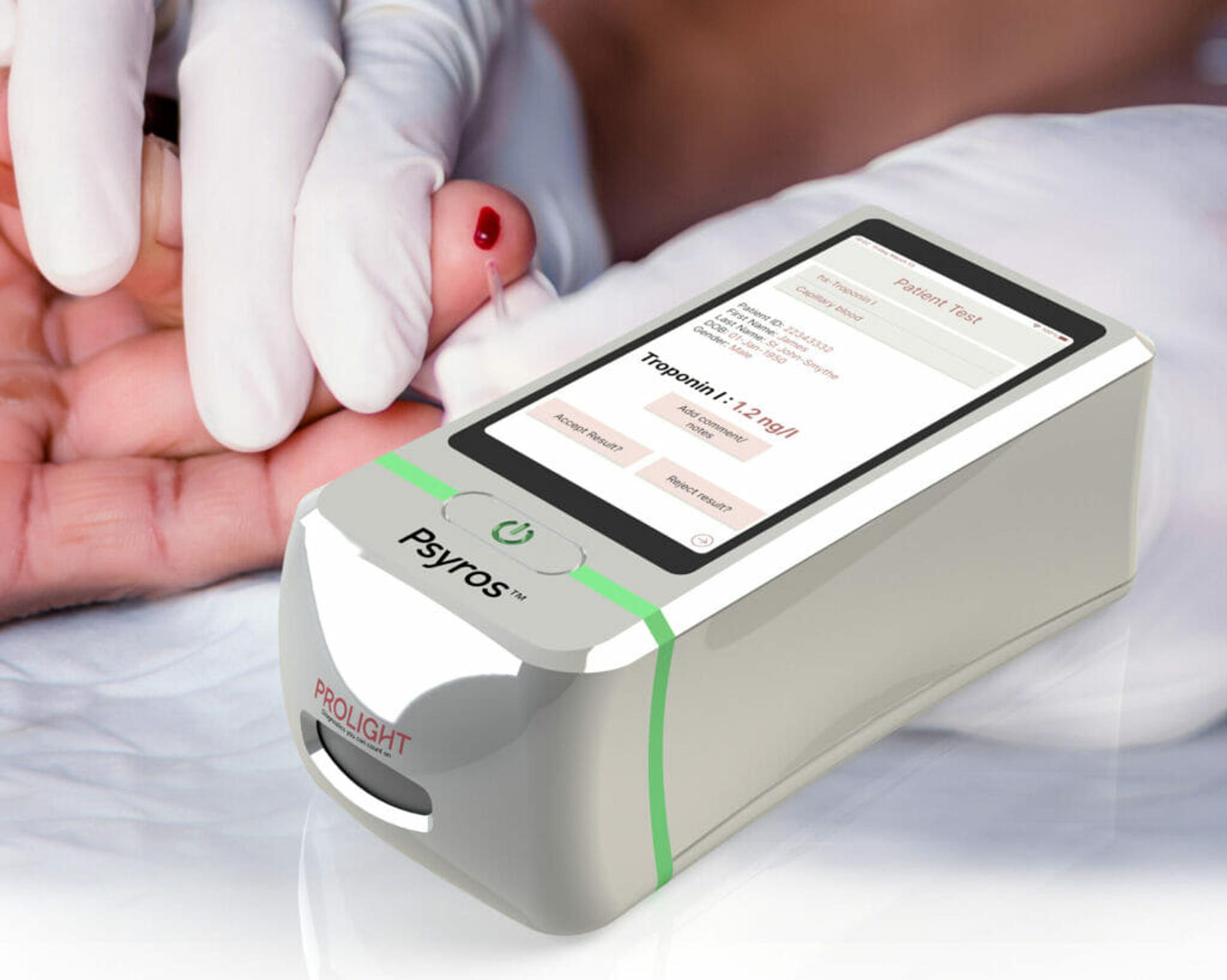 ©️ Psyros™ Diagnostics Ltd.'s Psyros™ Point-of-Care System © Prolight Diagnostics
This system-level approach is reflected in G&H’s collaboration with Prolight Diagnostics on its next-generation point-of-care immunoassay platform, developed through its subsidiary Psyros Diagnostics.
Building on early-stage prototypes, G&H | ITL was selected to develop the commercial diagnostic instrument – translating a highly sensitive detection method into a clinically deployable system. This required not only optical optimization, but also precise mechanical alignment, low-noise signal detection, thermal stability, and integration into a manufacturable, regulatory-compliant platform.
The result is a diagnostic system designed to deliver high-sensitivity detection in a rapid, point-of-care format – demonstrating how photonic performance must be engineered at the instrument level to achieve real clinical impact.
In clinical microbiology and infectious disease diagnostics, precision is not an abstract technical goal. It determines diagnostic confidence, treatment decisions, and patient outcomes. As diagnostic platforms evolve toward faster, broader, and more automated workflows, photonics will continue to define what is possible.
By enabling precise control of light – while ensuring that this precision is preserved through mechanical, electronic, and software integration – photonics provides the foundation for next-generation diagnostic instruments. The future of infectious disease diagnostics will not be defined by optics alone, but by how effectively these technologies are engineered into reliable, scalable clinical systems.