Acousto-Optics
Unmatched optical power handling and optical performance. Delivered consistently over time and in volume.

G&H (Gooch & Housego) (LON: GHH), a global specialist in photonic components and subsystems, has played a key manufacturing role in the innovative solid-state laser technology recently recognized by the Institute of Physics with a Business Innovation Award for Thales.
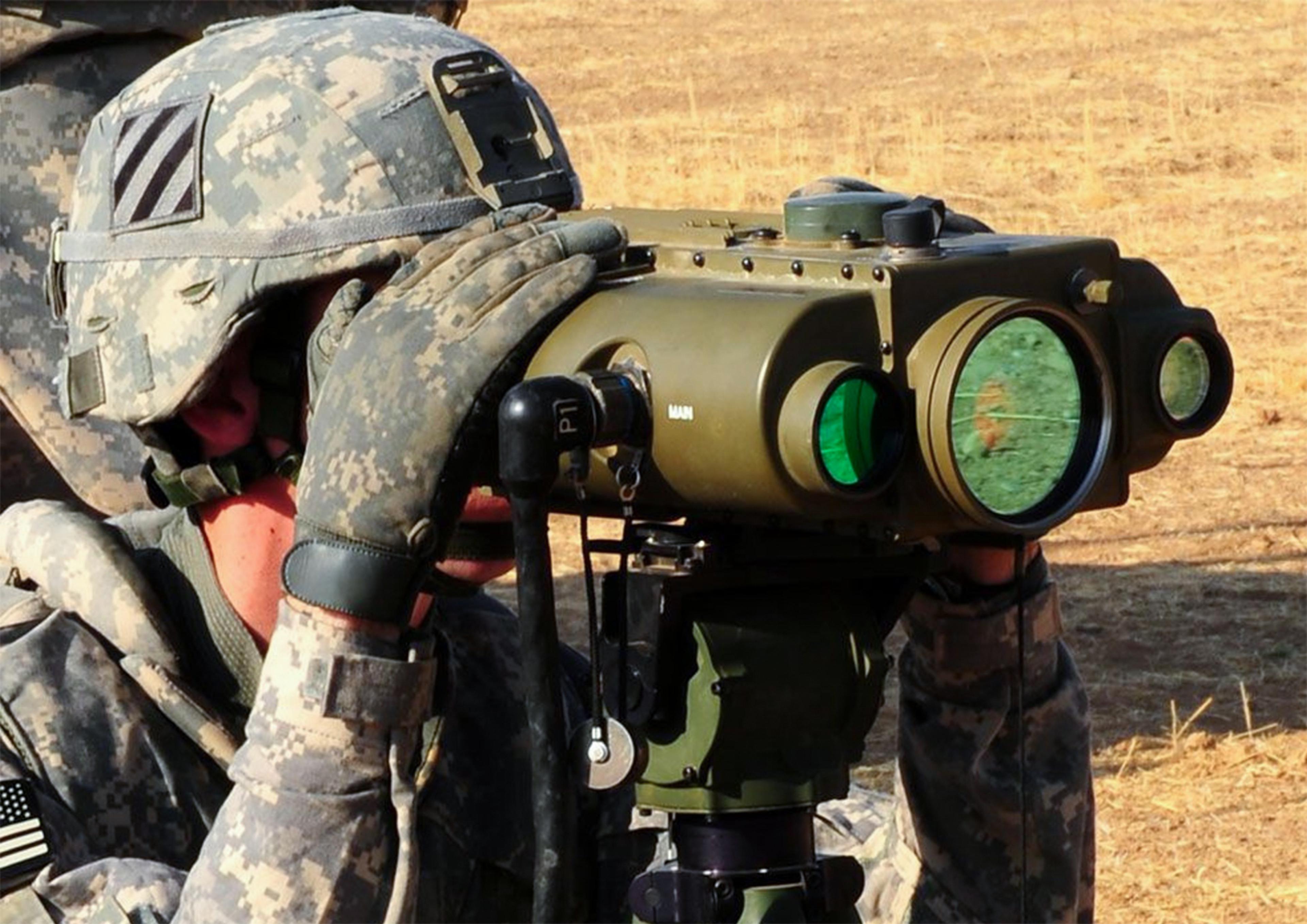
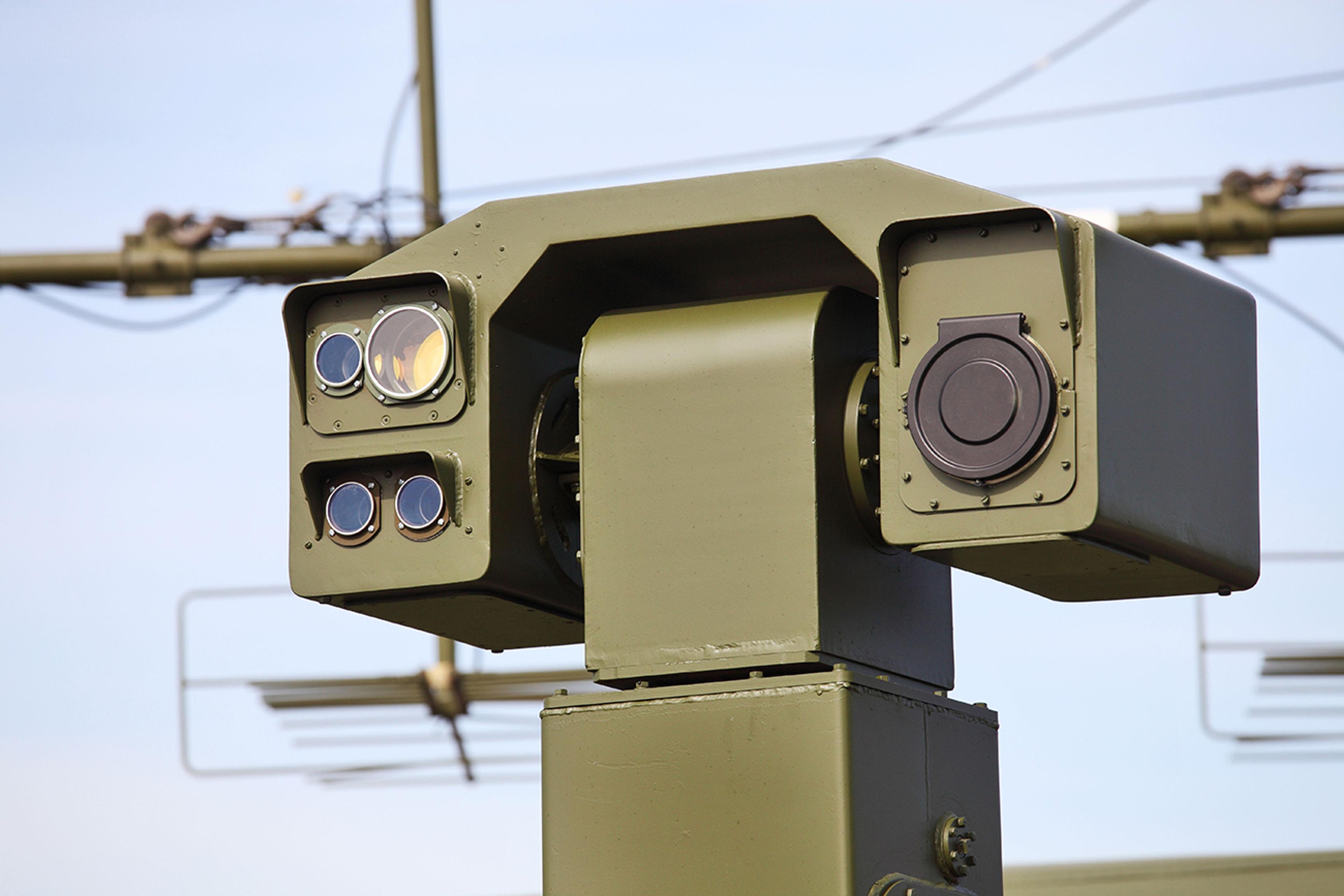
The award celebrates a next-generation diode-pumped solid-state laser optimized for high-performance laser rangefinders (LRFs), delivering extended range, improved reliability, and reduced size, weight, power, and cost (SWaP-C). The technology is now deployed across major UK defense platforms, including Boxer and the Challenger 3.
 ©️ G&H
At the heart of the innovation is the application of telecoms-style manufacturing techniques to defense laser systems - an approach that enables unprecedented compactness, lifetime, and reliability while meeting the extreme environmental demands of military service.
“This programme demonstrates how telecoms-grade photonic manufacturing can be successfully applied to defense laser systems with extreme performance and lifetime requirements. Working closely with Thales, we translated an advanced laser design into a compact, hermetically packaged transmitter capable of long-term operation in harsh environments and at production scale,” said Dr. Stratos Kehayas, President, Photonics at G&H.
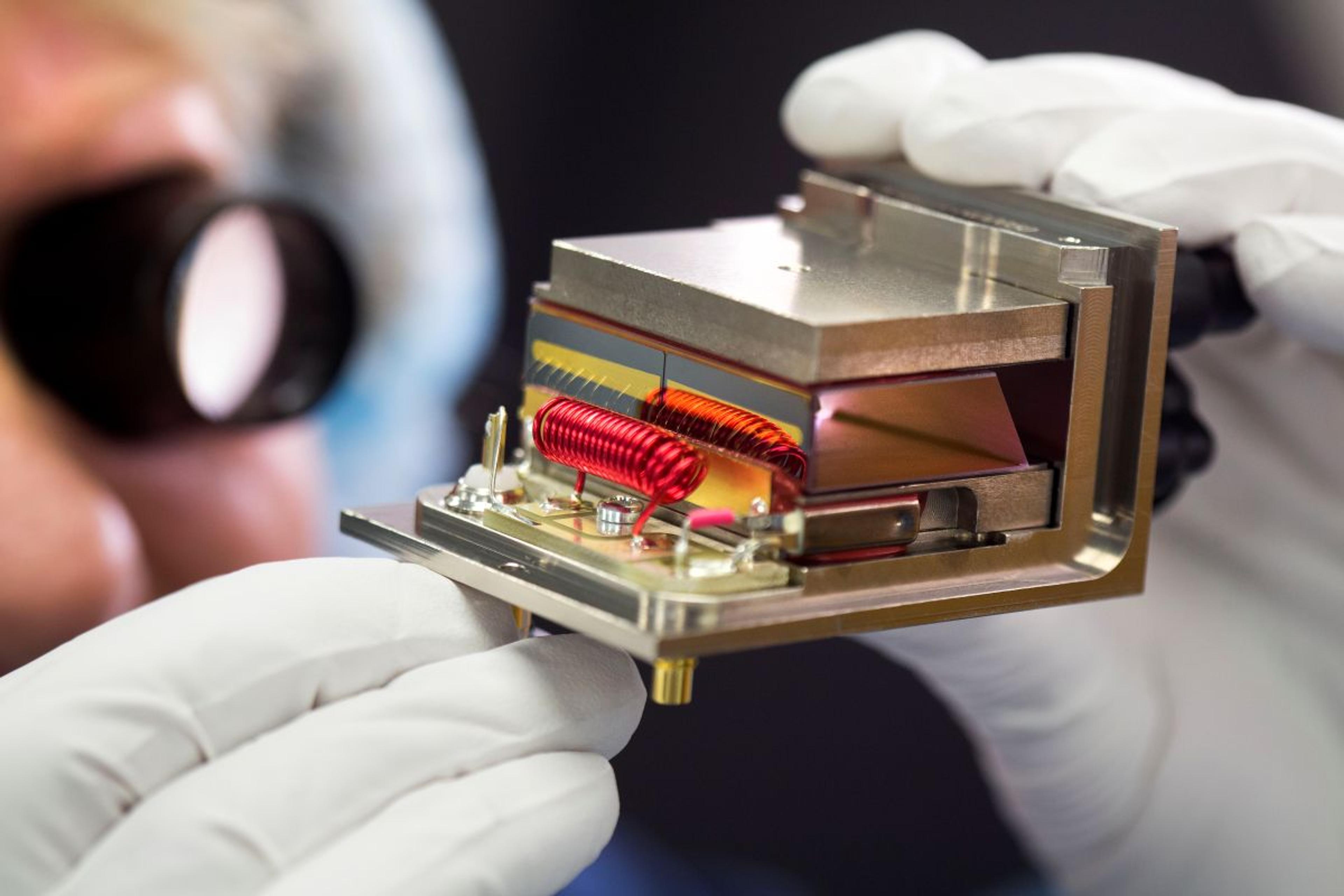
G&H collaborated with Thales to manufacture the laser transmitter to a patented design, drawing on decades of experience in high-reliability photonic packaging, precision alignment, hermetic sealing, and volume manufacturing methods originally developed for the global telecoms industry.
This manufacturing approach enables:
 ©️ Exploded view of laser resonator configuration, “Compact, diode-pumped, solid-state lasers for next generation defense and security sensors (Journal of Physics: Conference Series)”, 2015.
Initial development of the laser technology was supported by Innovate UK funding in 2015. Since then, the design has transitioned from technology demonstrators to in-service systems forming a core part of Thales’ laser rangefinder and sensor product lines.
The collaboration is also documented in peer-reviewed research, including the openly published paper Compact, diode-pumped, solid-state lasers for next generation defense and security sensors (Journal of Physics: Conference Series), which details the technical foundations of the laser rangefinder and target designator architectures.
The resulting laser transmitters deliver kilometer-scale ranging performance from compact, eye-safe solid-state sources, while operating across extreme temperature ranges and under high shock and vibration. By combining advanced laser design with telecoms-derived manufacturing discipline, the collaboration sets a new benchmark for defense photonics reliability and scalability.
For G&H, the programme highlights the company’s role as a trusted manufacturing partner for complex, mission-critical photonic subsystems - bridging the gap between innovative laser designs and deployment-ready hardware for defense and security applications.