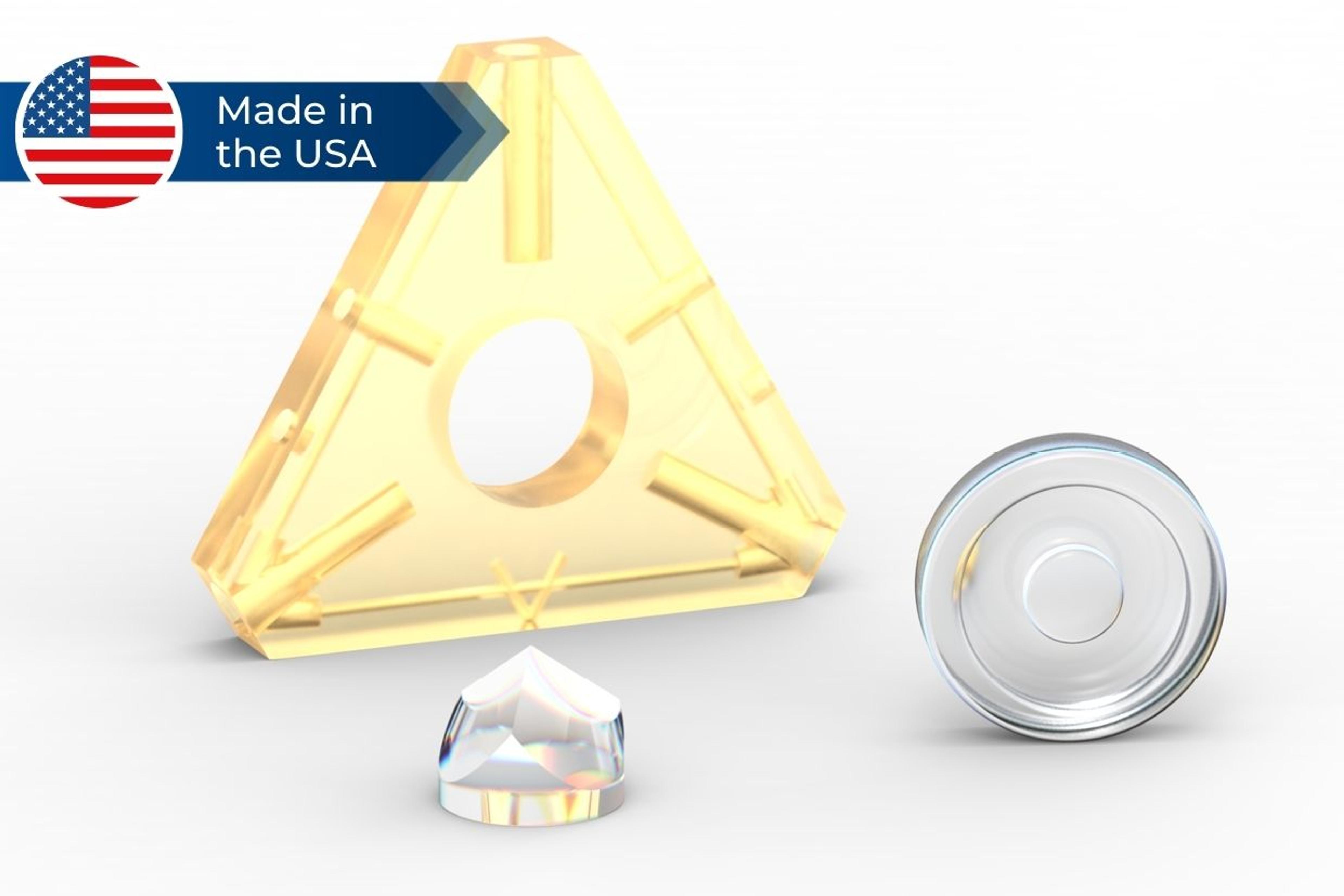
Ring Laser Gyroscope Components
Our ring laser gyroscopes (RLG) are deployed in commercial aircraft, missiles, satellites, and other military vehicles.
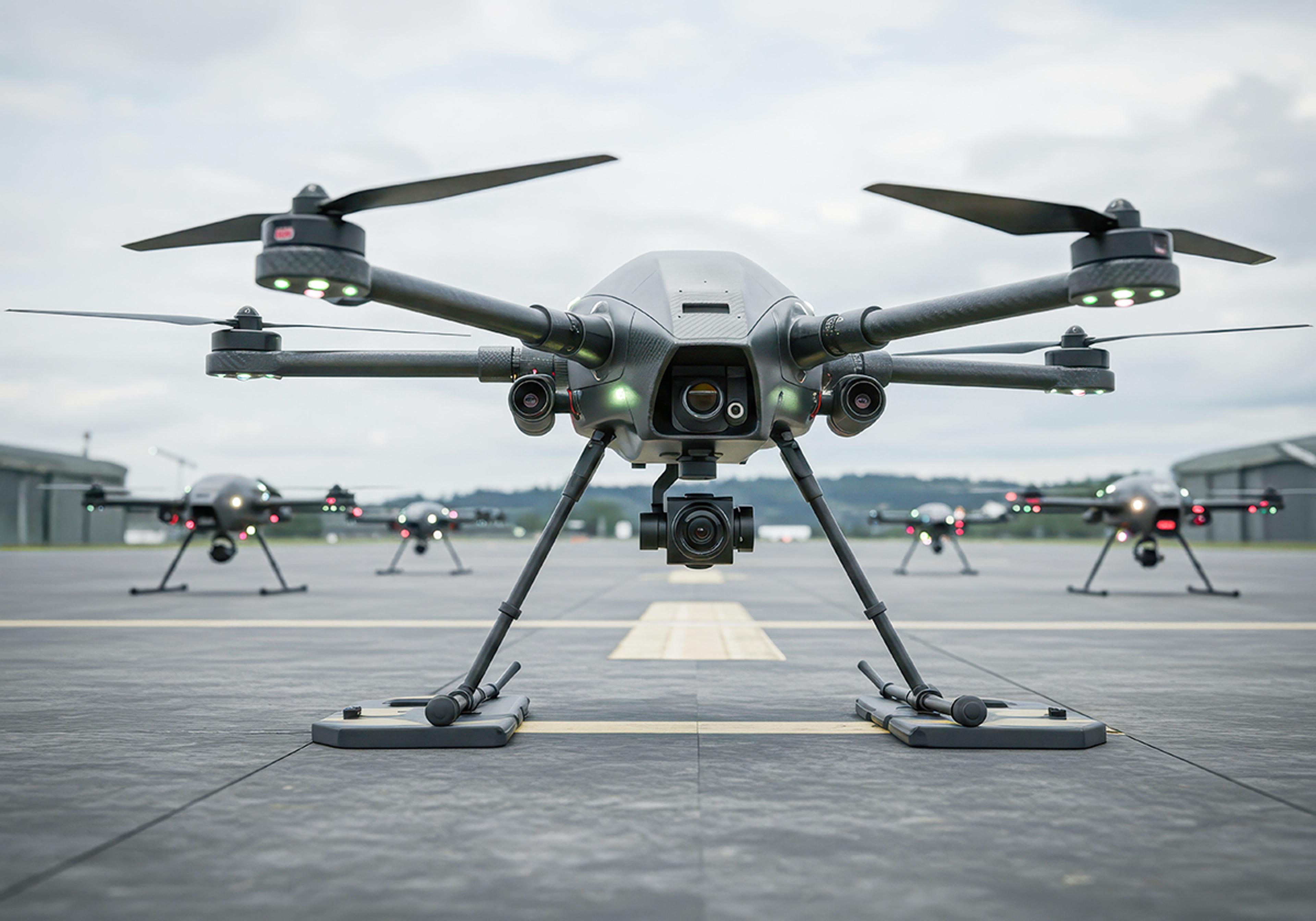
G&H (LON:GHH), enables precision guidance for modern missile and unmanned aerial vehicle (UAV) systems through advanced photonic technologies designed for the harshest aerospace and defense conditions. From extreme shock and vibration at launch to wide temperature excursions, electromagnetic interference and extended autonomous operation, every subsystem must operate with absolute reliability. Achieving precision guidance in these environments depends on technologies that provide exceptional stability, accuracy and resilience required for mission success.
High-energy laser sources, ruggedized optical components and inertial sensing technologies such as ring laser gyroscopes (RLGs) are central to today’s high-performance guidance architectures. Together, these photonic elements enable accurate navigation, targeting and control in environments where failure is not an option.
 ©️ G&H Ring Laser Gyroscope Components
Ring laser gyroscopes remain a cornerstone of inertial navigation and guidance systems across aerospace and defense platforms. By measuring rotation through optical interference rather than mechanical motion, RLGs deliver exceptional bias stability, ultra-low drift, and long operational life. These characteristics make them inherently well suited for applications requiring sustained accuracy under extreme shock, vibration, and thermal stress.
RLG technology is widely deployed in commercial aircraft, missiles, satellites, and other military vehicles and UAVs - demonstrating both performance maturity and long-term reliability. Unlike mechanical gyroscopes, RLGs are immune to wear mechanisms, and unlike lower-cost inertial alternatives, they maintain navigation accuracy over extended periods in GPS-degraded or GPS-denied environments.
G&H designs and manufactures defense-grade ring laser gyroscope components specifically engineered for these conditions, supporting high-confidence guidance solutions across mission-critical aerospace and defense applications.
 ©️ G&H
While RLGs are a well-established inertial technology, ongoing innovation continues to extend their relevance in next-generation guidance systems. One of the most significant recent advancements has been the migration toward smaller RLG form factors.
Reducing size, weight, and power consumption directly addresses growing SWaP-C constraints in missiles and UAVs. Importantly, this miniaturization must be achieved without sacrificing the inherent performance advantages of RLG technology - particularly bias stability and low drift, which continue to differentiate RLGs from lower-cost inertial solutions.
Achieving this balance requires exceptional control over the optical subcomponents within the gyroscope. Ultra-flat polishing and precision finishing of critical elements such as mirrors and transducers are essential to maintaining optical performance as physical dimensions shrink. These advances allow RLGs to remain competitive against emerging inertial technologies while preserving their position at the high-performance end of the price–performance spectrum.
 ©️ G&H
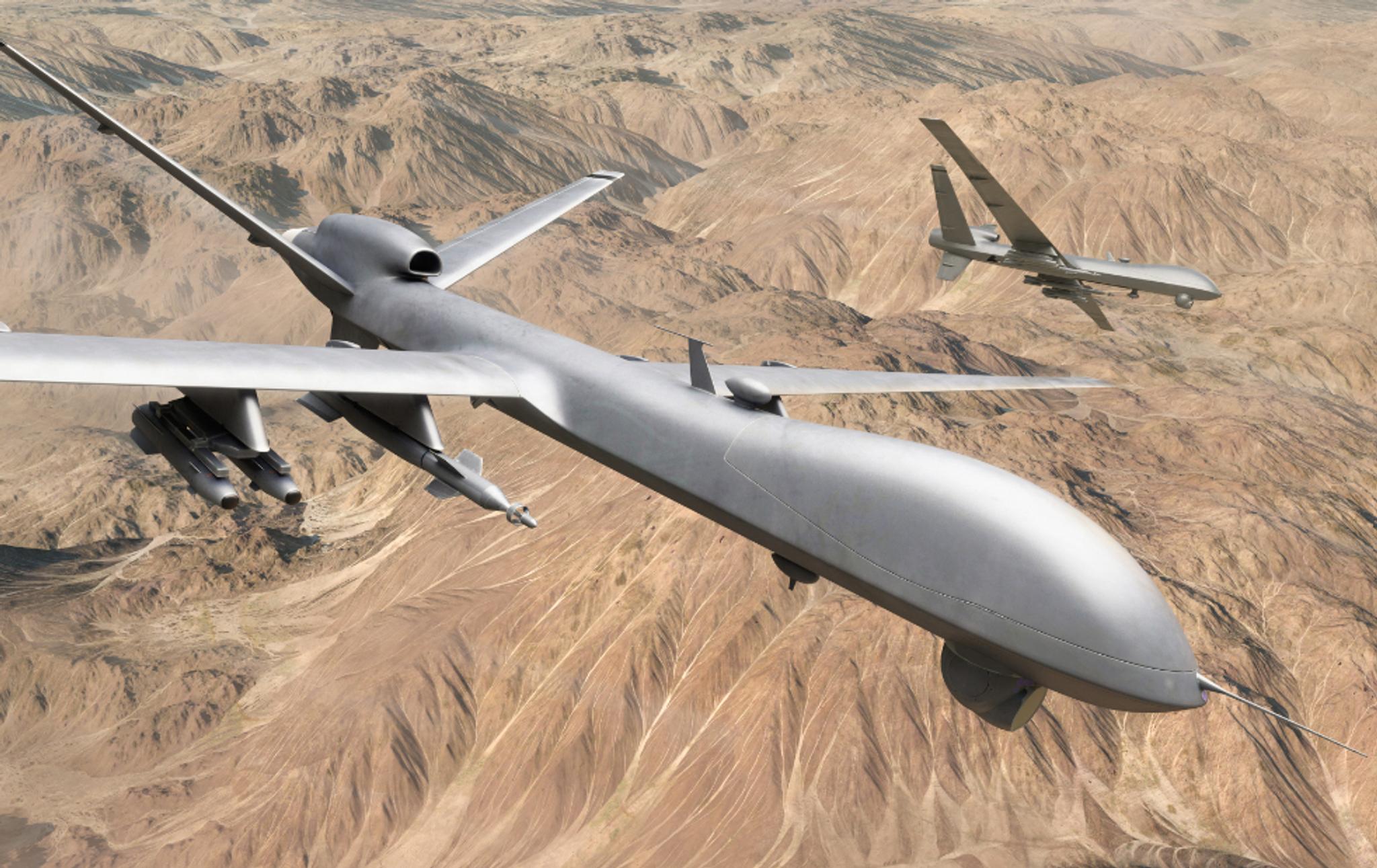
The rapid expansion of unmanned aerial vehicle UAV platforms is a key driver of innovation in inertial navigation technologies. While lower-cost solutions may be sufficient for short-duration or lower-accuracy missions, high-value UAV applications increasingly require reliable operation in GPS-degraded or GPS-denied environments.
In these scenarios, inertial stability directly determines how long autonomous navigation can be sustained. When transitioning from a high-accuracy reference point to fully autonomous guidance, gyros with low drift and high long-term stability outperform lower-precision alternatives. For this reason, RLG technology remains essential for UAV applications where mission duration, accuracy, and survivability outweigh the limitations of lower-performance inertial systems.
Within a ring laser gyroscope, every component performs a specialized function and must be optimized as part of an integrated whole. Mechanical stability, optical precision, and environmental resilience are inseparable requirements.
RLG frames must maintain dimensional stability across wide ranges of temperature, humidity, and environmental exposure. G&H manufactures these frames from Zerodur®, a glass-ceramic material with a near-zero coefficient of thermal expansion, backed by more than 40 years of experience producing high-quality, consistent frames for inertial applications.
The optical elements within the RLG - including flat, wedged, and curved mirrors, beam splitters, prisms, and wedges - are superpolished to surface roughness levels better than 1 Å RMS. These components are finished with high-reflectivity, low-loss ion beam sputtered (IBS) coatings designed to survive extreme shock, vibration, humidity, and thermal cycling without degradation of optical performance.
A defining strength of G&H’s RLG capability is its vertically integrated manufacturing model. By designing and producing the complete RLG component package - including the frame and all critical optical elements - G&H maintains tight control over performance, quality, and supply continuity.
This integration streamlines sourcing, reduces program risk, and ensures consistency across production runs - factors that are increasingly critical for aerospace and defense customers navigating complex supply chains. Extensive in-house metrology and environmental qualification further support this approach, enabling verification of surface quality, optical figure, and geometric tolerances at sub-micron levels.
All RLG components are designed and manufactured in G&H’s Moorpark, California facility, which operates under ISO 9001 and AS 9100 certification and complies with ITAR requirements, supporting secure and resilient supply chains for U.S. and allied defense programs.
In modern aerospace and defense systems, precision guidance is achieved through the seamless integration of multiple photonic technologies operating reliably under extreme conditions. High-energy laser sources, ruggedized optical components, and ring laser gyroscopes play a critical role in enabling this performance - supporting accurate navigation, reliable targeting, and assured mission execution.
By combining deep photonic expertise, advanced manufacturing capabilities, and decades of experience in inertial and defense applications, G&H enables guidance system designers to push performance boundaries with confidence. As missile and UAV platforms continue to evolve toward greater autonomy, resilience, and precision, advanced photonics - and RLG technology in particular - will remain central to the future of aerospace and defense guidance systems.