Acousto-Optics
Unmatched optical power handling and optical performance. Delivered consistently over time and in volume.
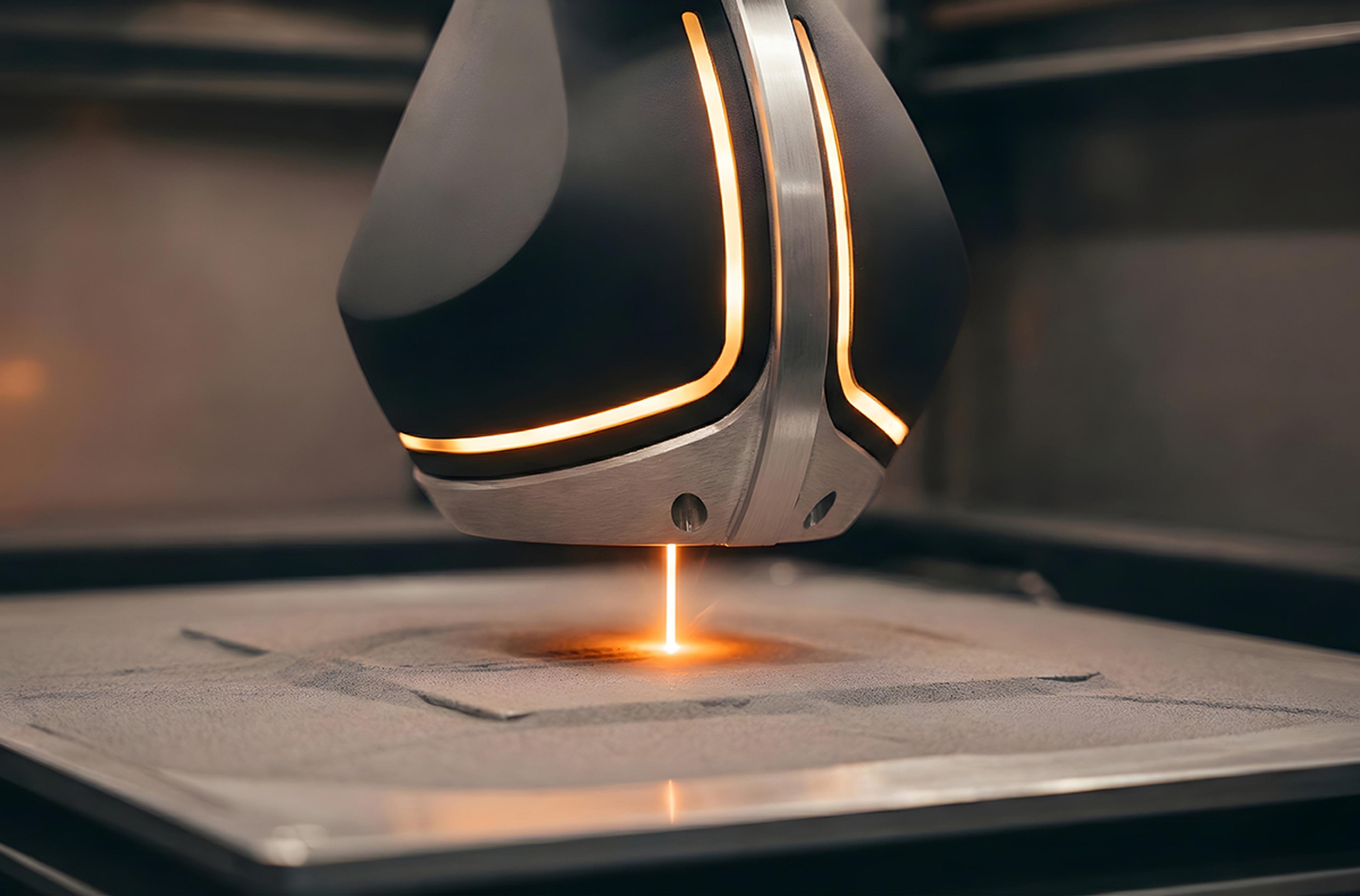
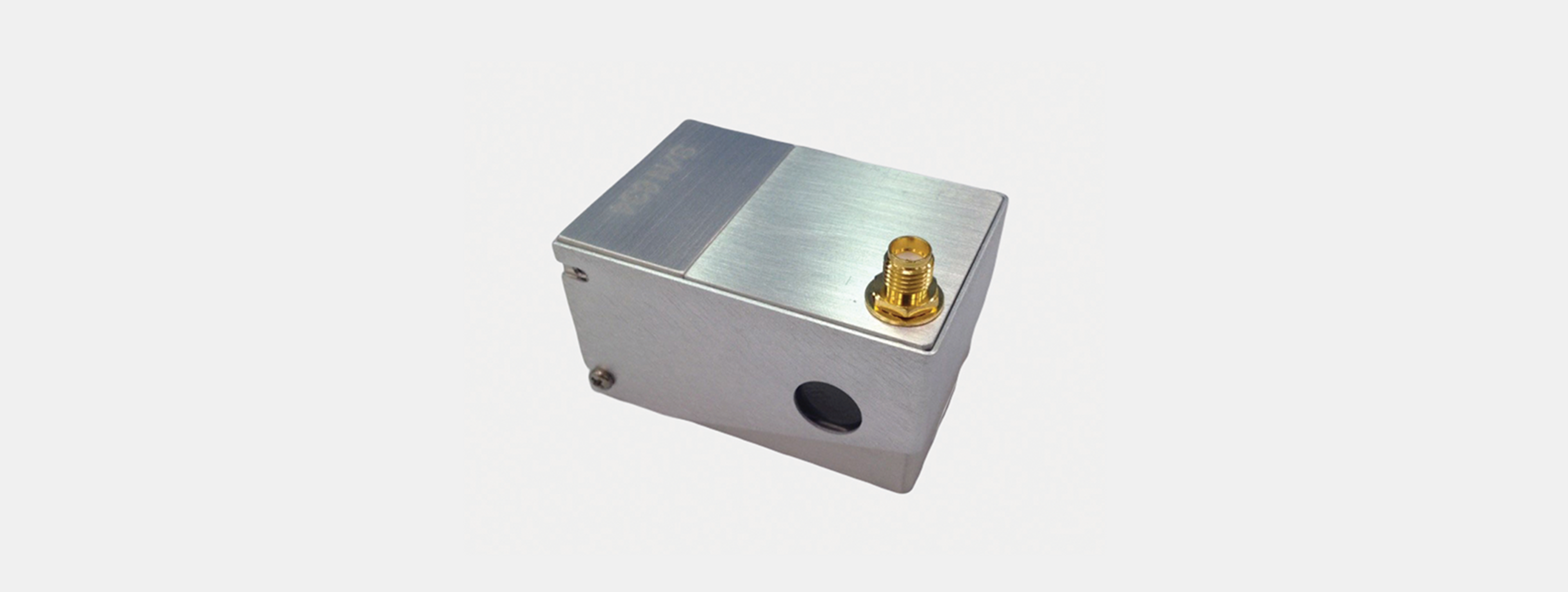
In an article for Additive Manufacturing, Luke Gordon, Senior Optical Design Engineer at G&H Fremont, explores how acousto-optic deflectors (AODs) could help future laser-based 3D printers increase throughput without compromising resolution. Already established in demanding industrial applications such as semiconductor via drilling and precision laser micromachining, AODs steer laser beams without moving parts, enabling rapid, localized adjustments beyond the capabilities of mechanical scanners alone.
Luke examines emerging hybrid architectures that combine the wide scanning range of galvanometer scanners with the speed of AODs. In these systems, the galvo sweeps the beam across the build area while the AOD makes fast adjustments within each scan trajectory.
Independent research in stereolithography and laser powder bed fusion is demonstrating how this complementary approach could give printer developers greater control over where and how laser energy reaches the material, opening opportunities to improve productivity while preserving the fine features required in complex parts.
 ©️ Luke Gordon, Senior Optical Design Engineer at G&H Fremont
The article highlights two promising applications: varying the width of cured tracks in polymer printing and synthesizing programmable beam profiles for metal printing. These approaches could enable wider tracks in bulk regions, finer control around detailed features and smoother diagonal edges, alongside beam shapes that adapt to processing requirements.
In metal printing, rapid AOD-controlled movements can create time-averaged intensity distributions, offering opportunities to generate ring, elliptical and other customized profiles downstream of the laser source. With acousto-optic deflectors as the core enabling components, Luke considers the potential for faster builds and region-specific beam control within a single pass.
He also examines the power-handling, process-monitoring and integration challenges that remain before commercial adoption, particularly as systems scale towards production requirements. Read the full article to discover how AOD-based scanning could support the next generation of additive manufacturing equipment, with potential applications ranging from aerospace components and medical implants to tooling that combines fine features with larger bulk sections.