Apprenticeships and Early Career
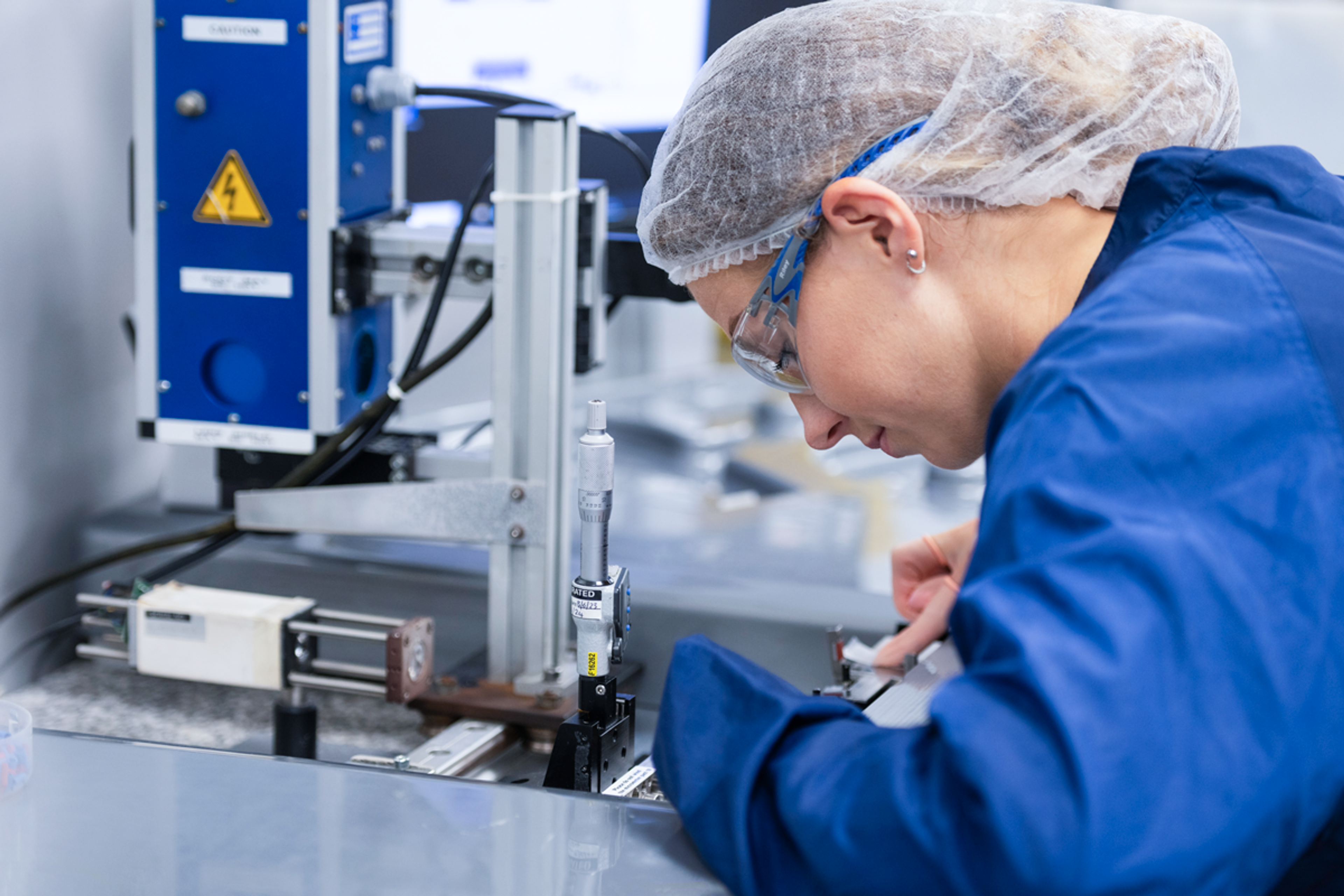
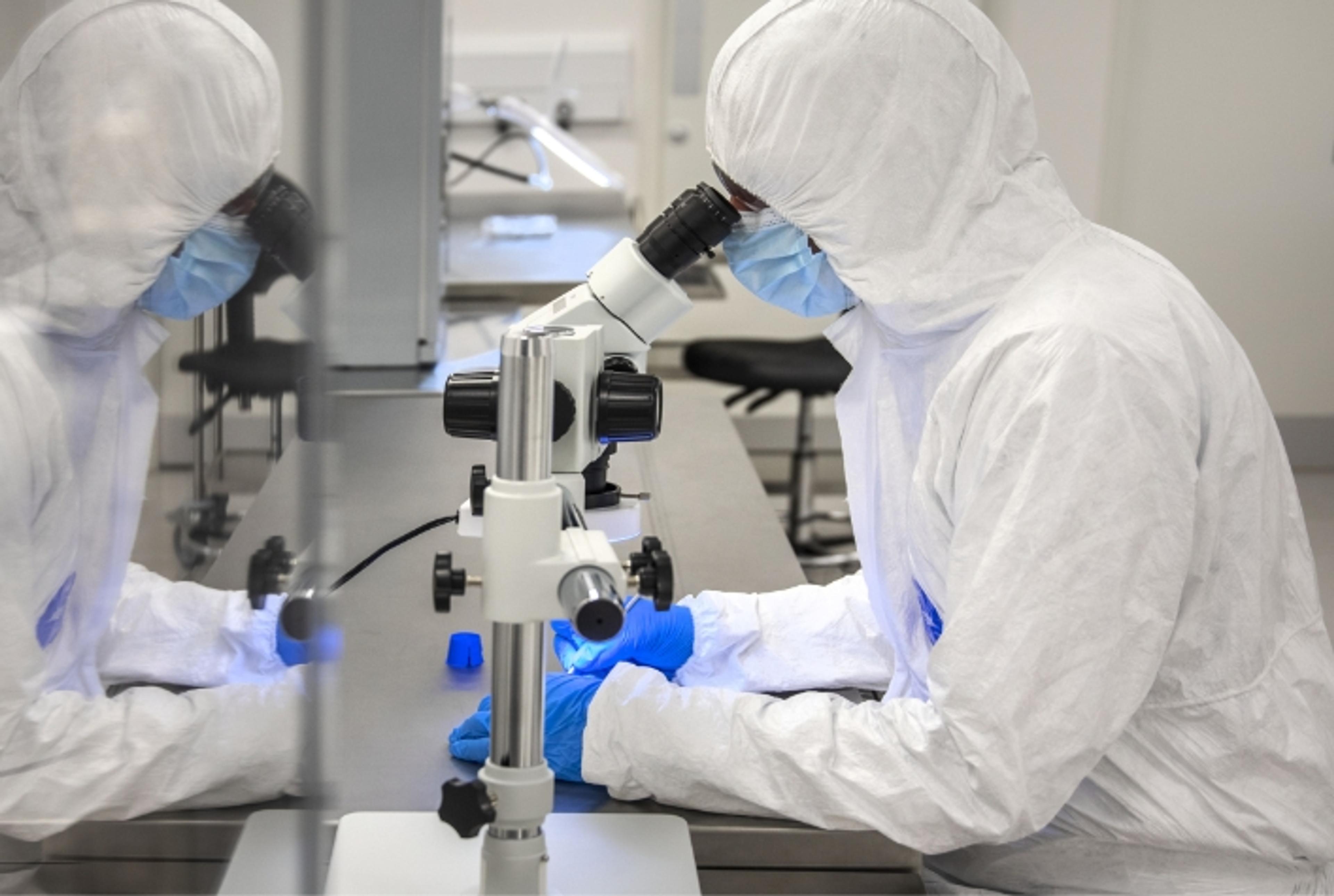
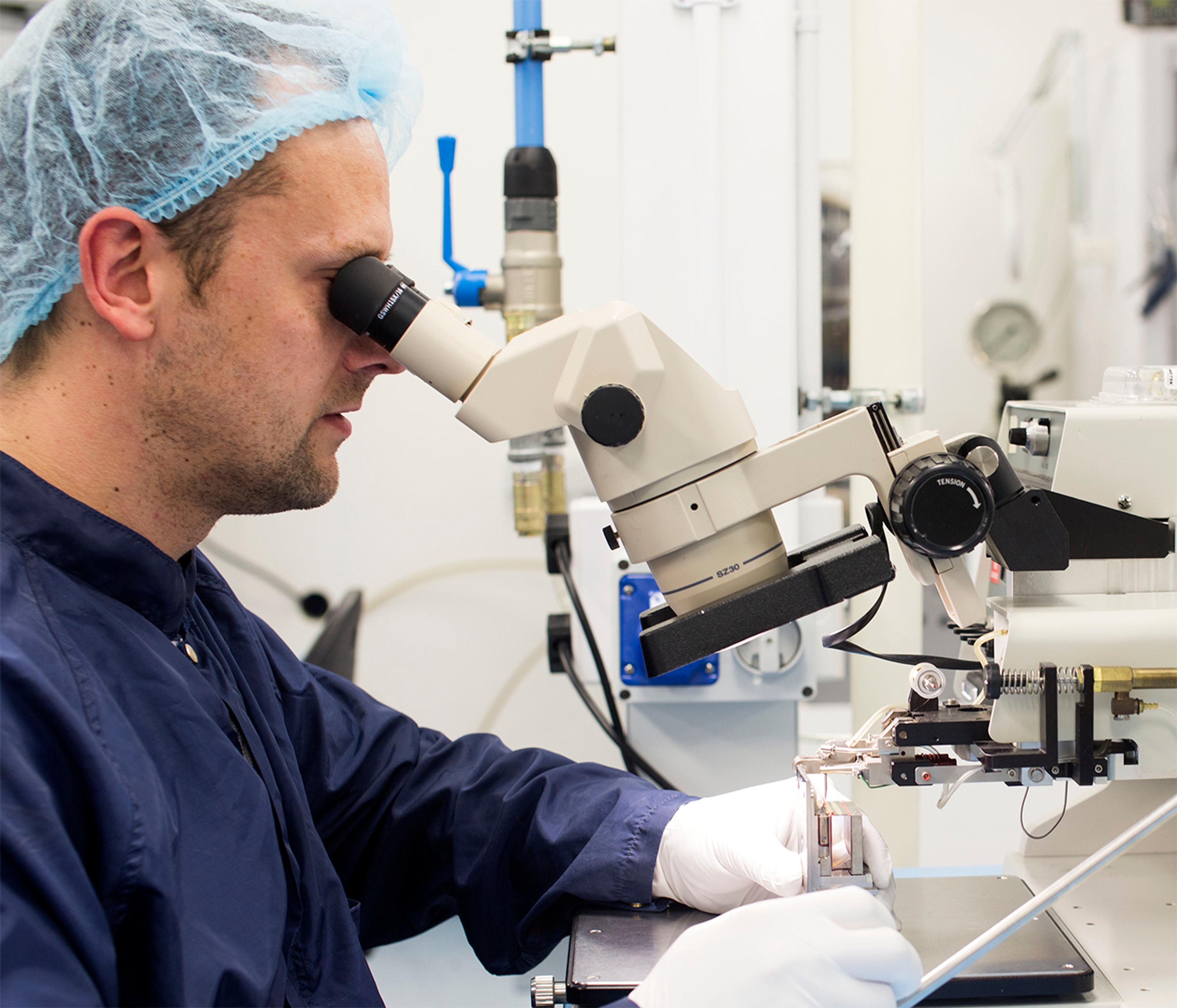
We offer apprenticeships at several of our UK-based companies, providing hands-on experience, a career path, a salary, and the opportunity to gain recognized qualifications while you work.
 ©️ G&H Apprenticeship Scheme, Torquay
As part of National Apprenticeship Week, which runs from 9 - 15 February 2026, we're celebrating the achievements and experiences of our apprentices, who play a vital role in driving innovation and technical excellence at G&H. At our Torquay facility in the UK, we offer a range of apprenticeships, providing opportunities for hands-on experience, exposure to cutting-edge engineering projects, and professional and personal growth.
We spoke with Christopher Thorpe, Principal NPI Engineer, and Apprenticeship Coordinator to get an overview of the apprenticeship programme at G&H:
Q: How many apprentices do you currently have at G&H?
CT: We currently have nine apprentices: one in software, one in commercial, and the remaining are in engineering.
Q: What level of apprenticeship do you offer?
CT: Traditionally, we’ve offered Level 3 Apprenticeships, which are equivalent to A-Levels. It’s a four-year course run in partnership with South Devon College. Apprentices spend four days a week working and learning at G&H and one day at college, covering academic topics such as maths and theory relevant to their roles.
 ©️ Chris Thorpe, G&H Principal NPI Engineer
Q: How is the apprenticeship structured over the four years?
CT: In the first two years, apprentices focus on learning specific processes about how we build things at G&H. We have four manufacturing areas: Fused Fiber Optics, Photonic Packaging, Fiber-Q®, and Modules.
Apprentices spend six months in each area, picking up essential skills across the business. In the last two years, apprentices move into higher-engineering functions, gaining experience in product engineering and manufacturing engineering.
Q: What makes the apprenticeship programme at G&H unique?
CT: The apprenticeship programme is a lower barrier to entry for anyone looking to get a foothold in a STEM career. Unlike at university, where you won’t experience the hands-on, “cool” projects until labs or final-year courses, our apprentices get to work on all those interesting, real-world projects from the start. I think what we do at G&H is pretty awesome!
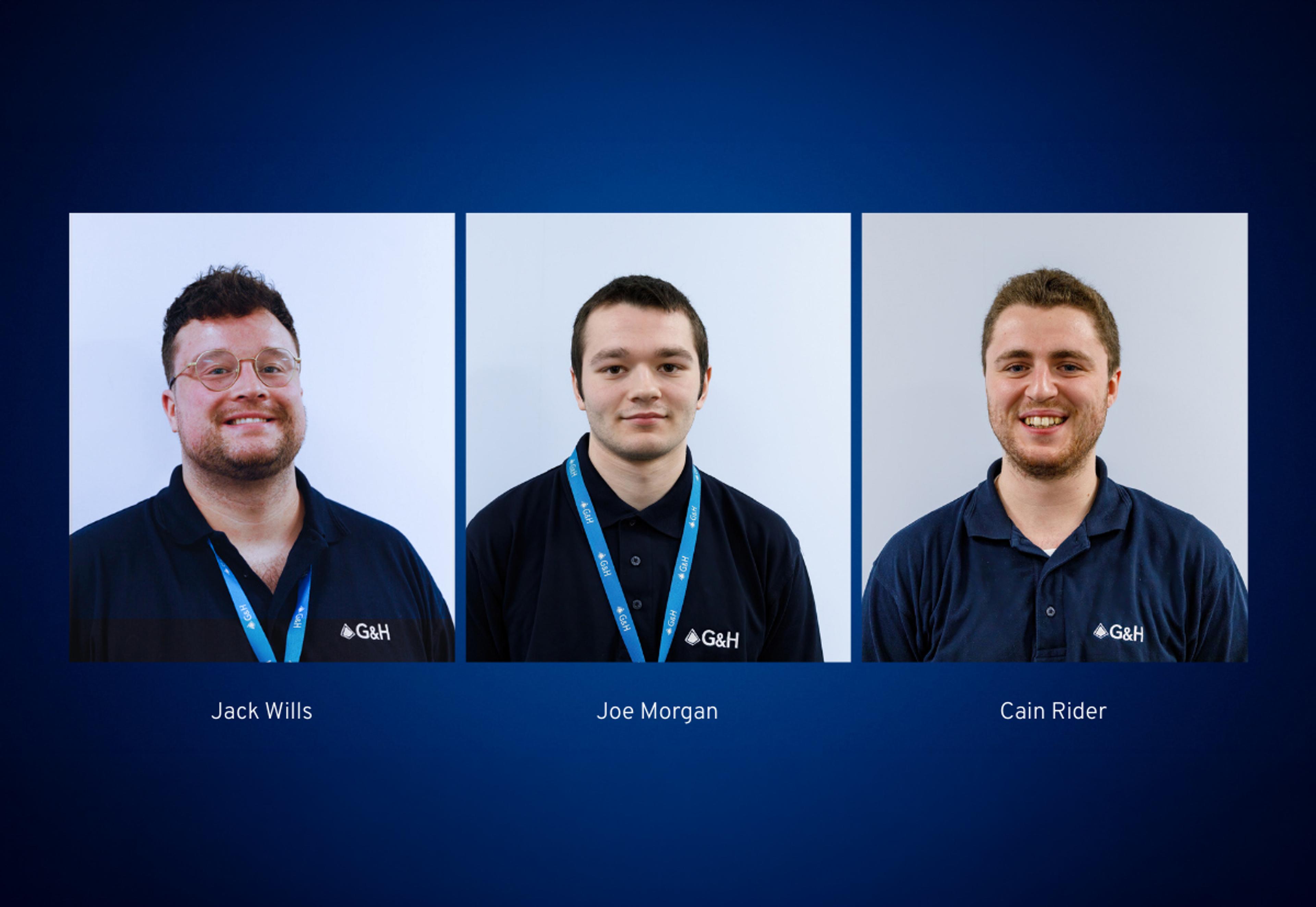
We recently interviewed three apprentices at different stages of their G&H engineering apprenticeships: Cain Rider, Manufacturing Technician; Jack Wills, Maintenance Technician; and Joe Morgan, Engineering Apprentice.
Their experiences highlight how G&H apprenticeships deliver hands-on learning, personal growth, and clear pathways for career advancement.
Q: What attracted you to this apprenticeship?
Cain: My plan was to do a physics or maths degree, but COVID created a lot of uncertainty. I knew about G&H from my Dad, Andy Rider, Chief Engineer Fused Components, who has worked here for 45 years, and after talking with him about it, the work seemed right for me, technical and involving lots of hands-on, complex building.
Jack: Before starting my apprenticeship, I studied English at university and qualified as a secondary school teacher. After finishing, I joined G&H and worked here as a Maintenance Technician for around four years. When an engineering apprenticeship became available, I decided to apply even though I didn’t have formal engineering qualifications. I’d built up strong industry experience and developed a real passion for the role. The opportunity to earn while learning, develop practical skills, and progress within the business really appealed to me.
Joe: The main reason I started at G&H was location. I’d been wanting to move down here for quite a while. My cousin is also an apprentice here, and he vouched for the place. I never planned on a career in engineering, but it just happened. I’ve always been very maths- and science-focused, so going into this sort of line makes sense.
 ©️ G&H
Q: Why did you choose an apprenticeship over university or another route?
Cain: The security of being paid, actively developing my career, and not accumulating debt seemed like a no-brainer. Years of on-the-job experience are sought after by employers too, giving me a head start over my friends who went to university.
Jack: Having already been to university, I knew I wanted something far more practical and hands-on. This apprenticeship allows me to learn on the job, gain real industry experience, and earn while developing my skills. It felt like a much better fit for me than returning to full-time academic study.
Joe: I’d already been to university. I didn’t enjoy it and realised my beliefs didn’t really align with the police. I took a couple of years to try and find a new direction for myself. I was planning on joining the RAF, but I never got motivated enough to follow through. This apprenticeship offered the technical challenge I was looking for.
Q: What projects or technical experience have you gained so far?
Cain: I have moved from one high-profile project to the next on-site, specialising in hi-reliability subsea modules, which, in my opinion, is one of the biggest future endeavours for the business.
Jack: My role involves both reactive and preventative maintenance. I repair equipment as issues arise, as well as carrying out weekly, monthly, and annual calibration tasks.
I’ve also taken on additional responsibilities, including acting as a health and safety lead and becoming a champion for the Spot It scheme. This has allowed me to get more involved in the health and safety side of the business and contribute beyond day-to-day maintenance work.
Joe: Since I’m so new to the apprenticeship, I’ve only been on one project so far. I’ve been working on a collimator assembly line, which has felt like a great starting point, as I’ve learnt a lot of core skills that can be applied across the company.
 ©️ Joe Morgan, Torquay Apprentice Engineering
Q: What new skills have you developed and how have you grown professionally?
Cain: I have developed many project management skills through college and here at G&H, with so much communication between different departments, organising new production lines, setting them up, and supporting them. My technical knowledge in the field of photonics continues to grow with every year I spend in the industry, and I feel I have a great knowledge base that is transferable.
Jack: I’ve developed a wide range of new skills, particularly in electrical and mechanical maintenance. I’ve learned how to fault-find, carry out calibrations, and complete repairs, including soldering, which I’d never done before starting this role. Through the apprenticeship, I’ve also grown in confidence, working more independently and taking on greater responsibility within the maintenance team. The balance between electrical theory at college and hands-on learning on site has really helped me develop professionally.
Joe: This is my first time working in a big company, so I’ve learnt a lot about how to work in a team and how everybody needs to be able to rely on each other. Also, being completely new to engineering, I’ve been learning a lot about procedures and technical skills. I feel a lot more confident in the direction of my career now, and I am planning on staying on up to Level 6.
Q: What has been the most rewarding part of the apprenticeship?
Cain: Taking a project from the very early development stages through to full production is a great feeling, as it shows the processes I have actively created and improved upon have served their purpose and continue to do so successfully.
Jack: The most rewarding part has been developing new skills and feeling valued in my role. Being trusted with responsibility and recognised as an important part of the maintenance team has been incredibly rewarding.
Joe: Probably seeing my first product built and pass all the testing, especially knowing that others had been reluctant to work on this line because of how challenging it is.
 ©️ G&H
Q: What advice would you give to someone thinking about applying?
Cain: Ask yourself what you are interested in before applying. I am technical but also very hands-on, so I spend much of my time working with hardware, creating processes, and problem-solving using network diagrams, maths, and physics. Others focus on programming, data analysis, customer support, or management. An apprenticeship is a tool to gain experience and discover variety within and outside of the industry.
Jack: Even if you don’t initially see yourself in that type of role, if you feel capable and interested, go for it. The company genuinely supports apprentices and wants you to succeed, so don’t let self-doubt stop you from applying.
Joe: If, like me, it’s your first time in a big company, it can be a bit intimidating, but don’t worry about that. Everybody is friendly, and it does feel like a big family. You’ll need to have some patience because it’s such a big company that there are a lot of responsibilities, which can lead to some downtime for apprentices. That isn’t so bad because it gives a chance to get your college work done.
Q: Why would you recommend an apprenticeship at G&H?
Cain: It’s such a unique workplace, and the opportunities it can open up within and outside of the company are endless. This role demands you to be inquisitive. So much of what we make is made of many high-precision components assembled into one unit in a manner that robots will not be able to do for a very, very long time, so job security is not a worry in this Industry 5.0, AI-driven age.
Jack: I’d recommend it because of the support, hands-on experience, and opportunities to progress. You’re encouraged to develop your skills, take on responsibility, and grow within the business — all while earning and learning at the same time.
Joe: If you want to get into engineering, an apprenticeship is the way to go because there are so many opportunities out there. Being able to relate what you are learning to the practical aspect is so useful for understanding what the job is like.
We are proud of the dedication and enthusiasm our apprentices bring to G&H every day. Their development, curiosity, and commitment play a key role in the continued success of our teams and operations.
If you’re interested in starting your own apprenticeship and joining G&H, find out more and apply via our Apprenticeships & Early Careers page.