G&H | Artemis
G&H | Artemis is a global leader in the design and manufacture of advanced optical thin film coatings and custom optical filters engineered for precision, durability and performance.
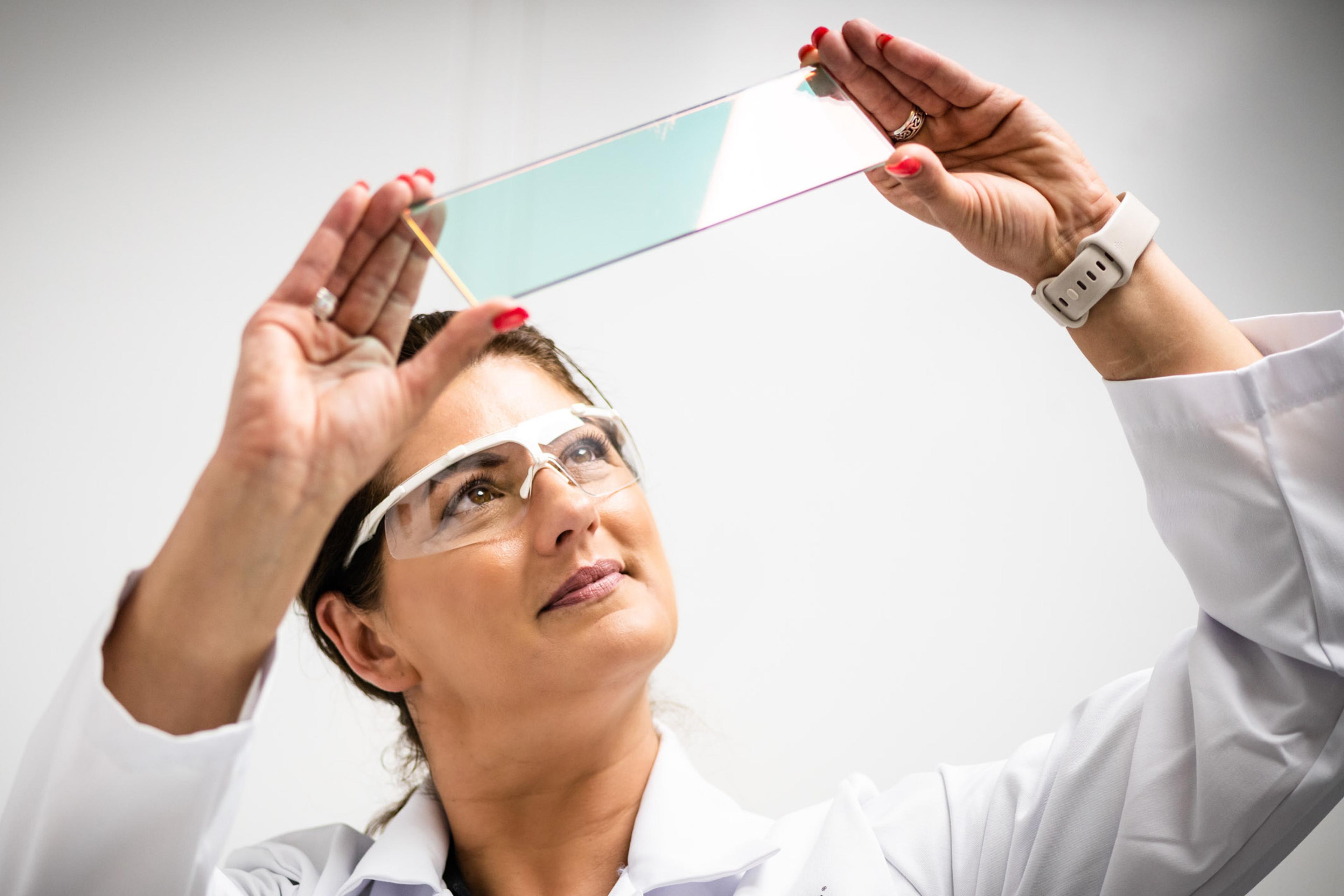
 ©️ Reetta Griffiths, Process Engineer at G&H | Artemis
We’re proud to share that our colleague Reetta Griffiths has been named on the Photonics100 list for 2027. As a process engineer at G&H | Artemis in Plymouth, Reetta has helped our Optical Systems team improve the way we manufacture thin-film optical coatings. Her research has given colleagues a clearer view of what happens inside the coating chamber as each layer forms, helping them produce complex coatings more consistently.
Reetta joined fellow honourees and alumni in Düsseldorf to celebrate the fifth anniversary of the Photonics100 and welcome the class of 2027. Published by Electro Optics, the annual list recognises people nominated by their peers for their contributions to photonics research and development. We’re delighted that this year’s celebration included Reetta, whose work in Plymouth shows how a question first asked on the production floor can lead to a better way of making optics.
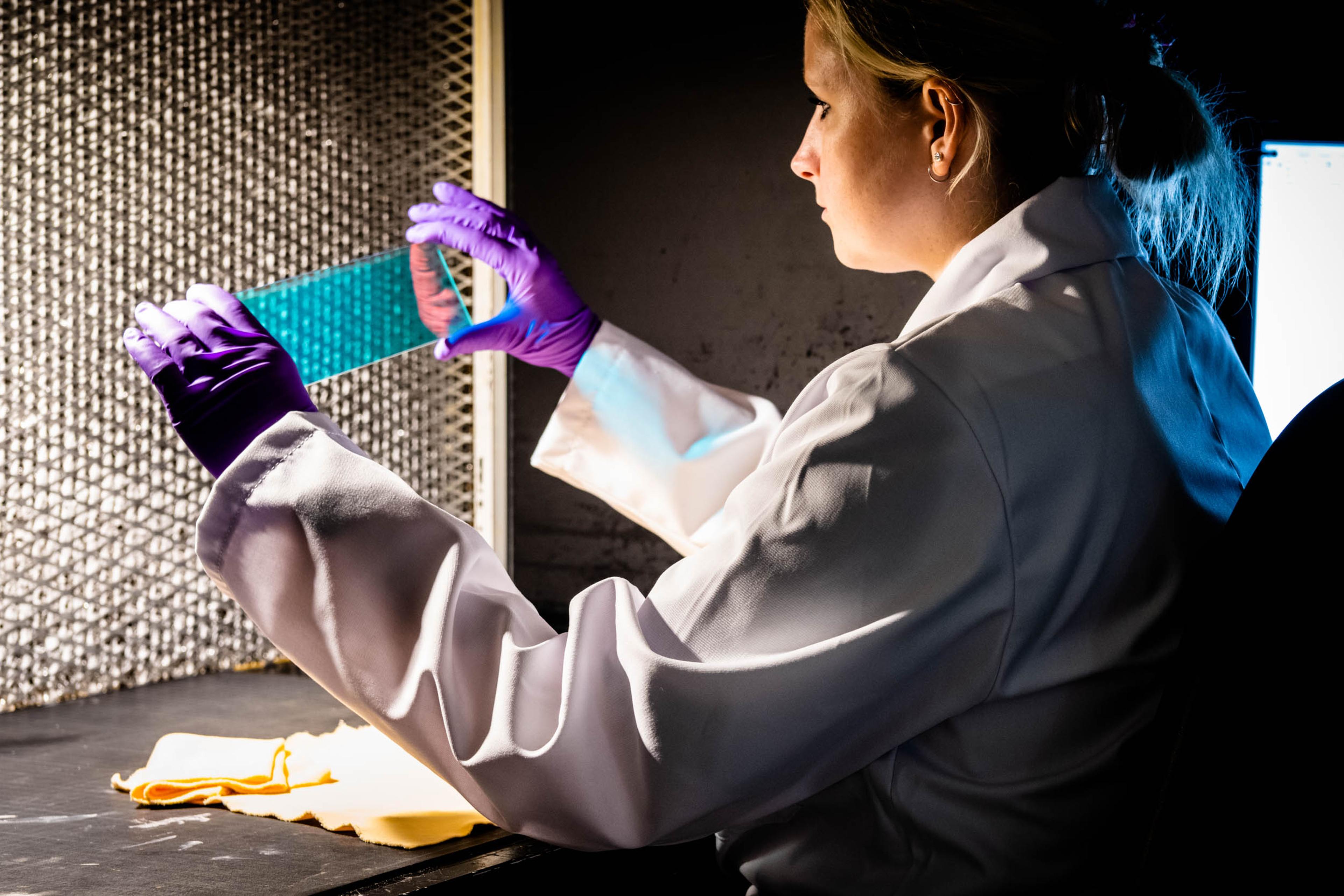
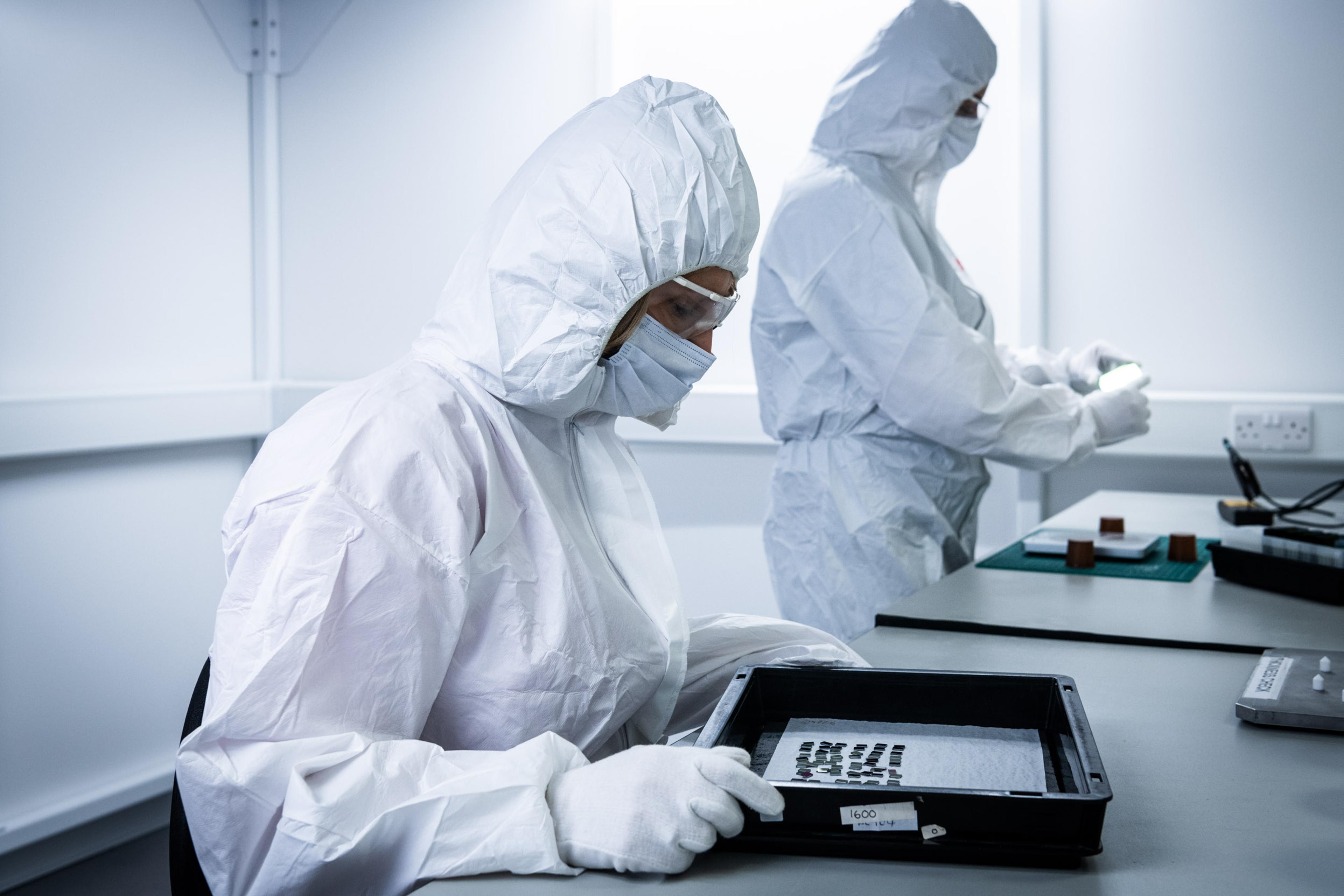 ©️ G&H | Artemis Class 6 Assembly Cleanroom
Through a Knowledge Transfer Partnership with the University of Plymouth, Reetta investigated a question familiar to the team at G&H | Artemis. Why might two coating runs produce slightly different results when both follow the same design and process? As Reetta explained in an earlier G&H feature, “When you input the same thing, you should have the same outcome every time.” For the Plymouth team, that consistency matters whenever a customer needs a coating to deliver the same optical performance across successive production runs.
Reetta examined each stage of thin-film production and identified sources of variation in the chambers where coatings are deposited. One challenge stood out for complex designs. Each layer needs to reach its target thickness before deposition of the next can begin. Engineers can monitor light at a single wavelength to identify that moment, but as more layers are added, the signal can become harder to interpret. Reetta’s research helped the team understand how monitoring a broader range of wavelengths could give engineers a clearer picture of the coating as it formed and greater confidence in deciding when each layer was complete.
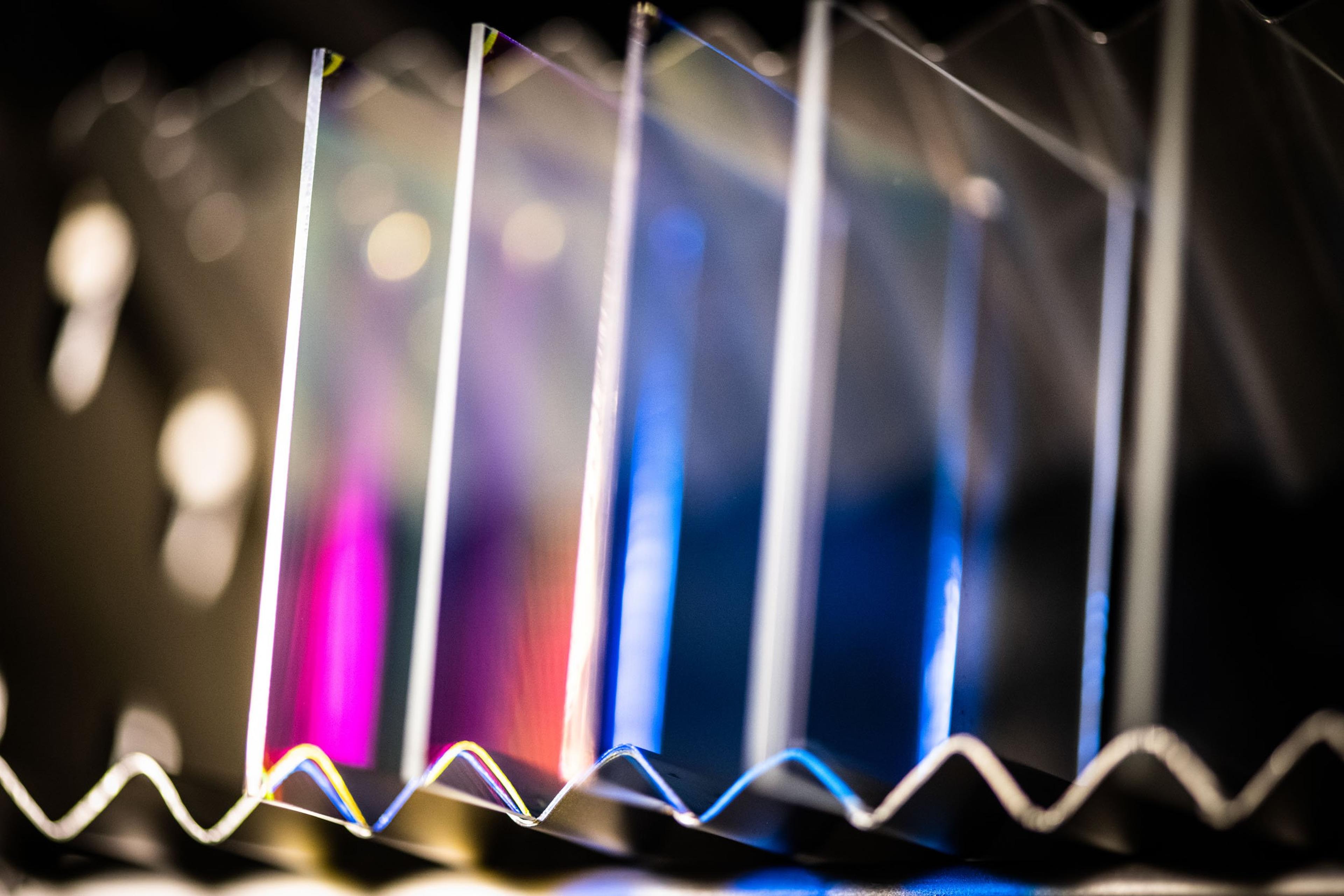
 ©️ G&H | Artemis Optical Coatings
Reetta’s work helped the Plymouth team introduce optical broadband monitoring. As material is deposited, the system measures how the coating responds to light across a range of wavelengths. Those measurements give the equipment a clearer indication of when each layer is complete, so it can stop depositing one material and move on to the next.
For our Optical Systems division, the benefit reaches from the first prototype into production. Engineers can trial a wider range of coating designs more efficiently and achieve greater uniformity in manufacture. Reetta’s contribution was to connect the two. By studying the variations her colleagues encountered in the chamber, she helped give them a practical way to reproduce the performance a coating was designed to deliver.
 ©️ The Photonics100 2027 - Electro Optics
Reetta joins three other G&H colleagues previously recognised by the Photonics100. Karen Hall was named to the 2026 list for her work in space optics at G&H Torquay, including the assembly of optical modules for satellite communications. Dr. Stuart MacFarquhar was recognised in 2025 for his research into photonic integrated circuits. Peter Kean was named to the 2023 list for his work on optical fibre amplifiers, hand-held laser rangefinder technology and fully distributed fibre-optic instruments for temperature and acoustic sensing.
It’s a pleasure to see Reetta take her place alongside them. On behalf of her colleagues in Plymouth and across G&H, congratulations, Reetta, on this well-deserved recognition.
From anti-reflection coatings and high-reflectivity mirrors, to advanced bandpass and notch filters, our solutions are engineered for demanding applications in defense, life sciences, semiconductor, and industrial markets. Explore our capabilities to find or customize the ideal coating or filter for your system.