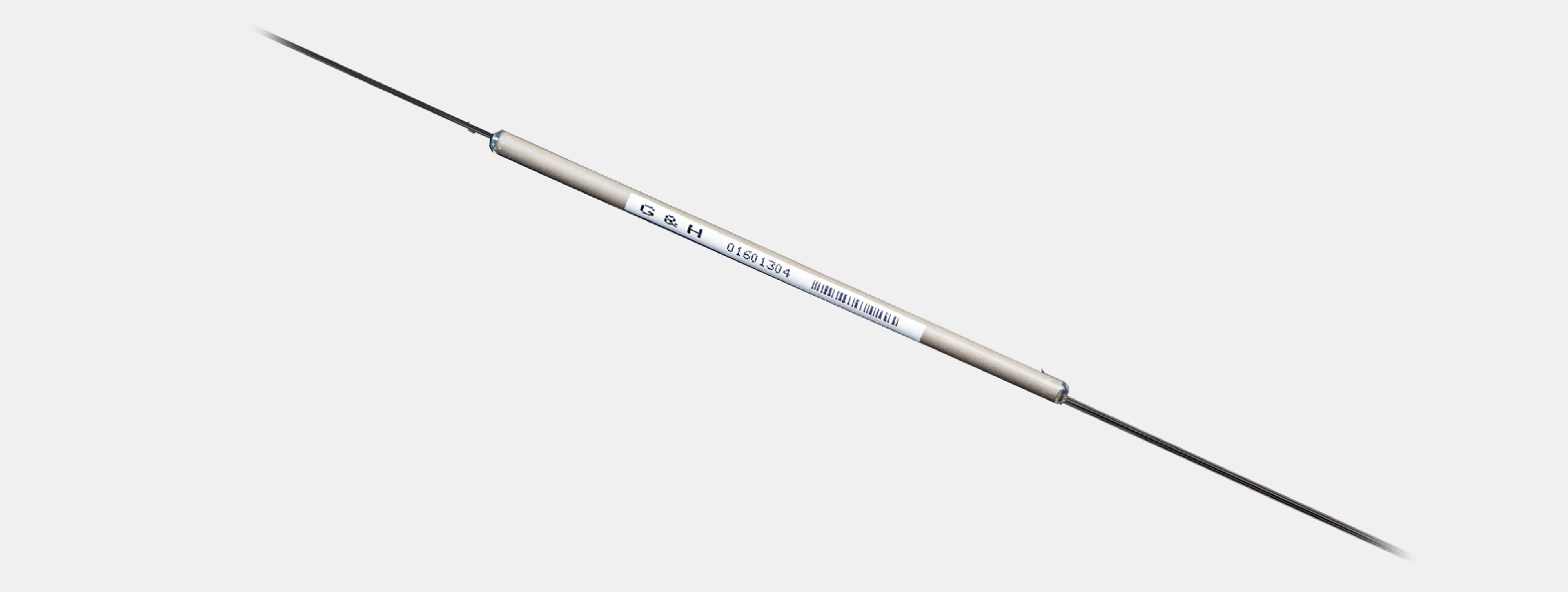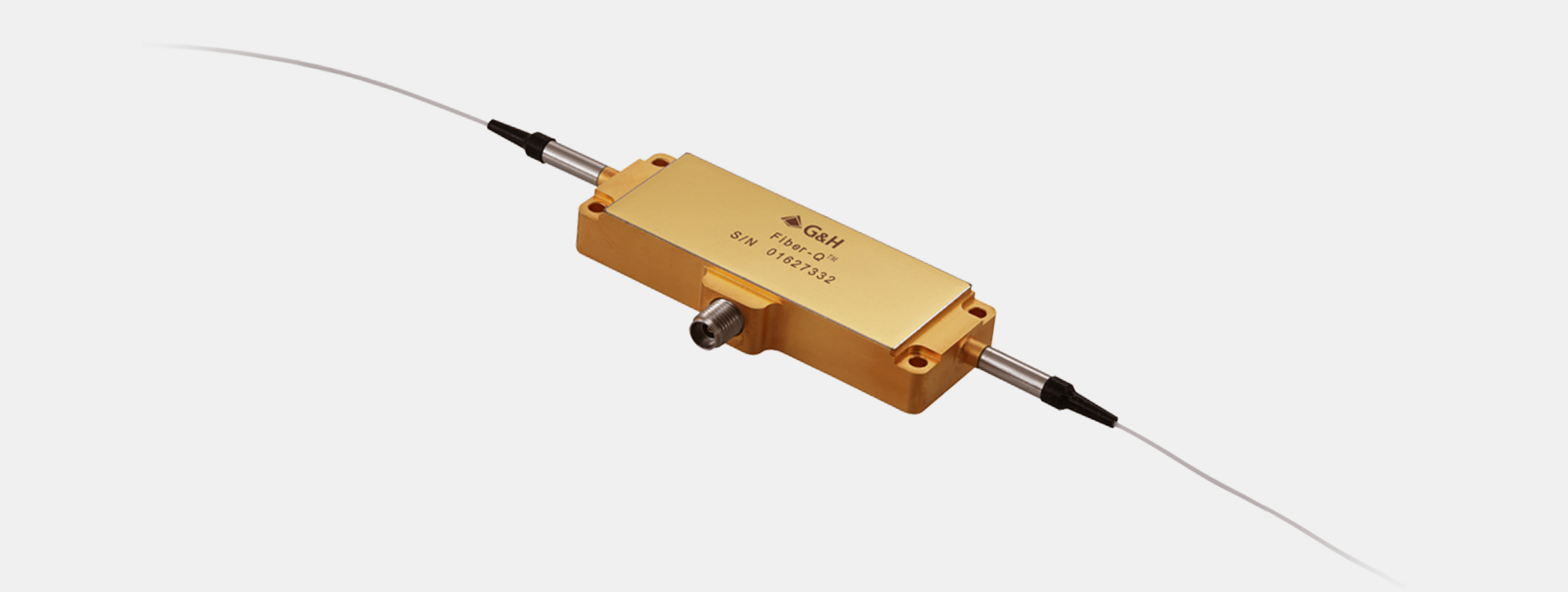
Fiber-Q® Fiber-Coupled Acousto-Optic Modulators
Fiber-coupled acousto-optic modulators offer an elegant and robust solution for amplitude modulation.
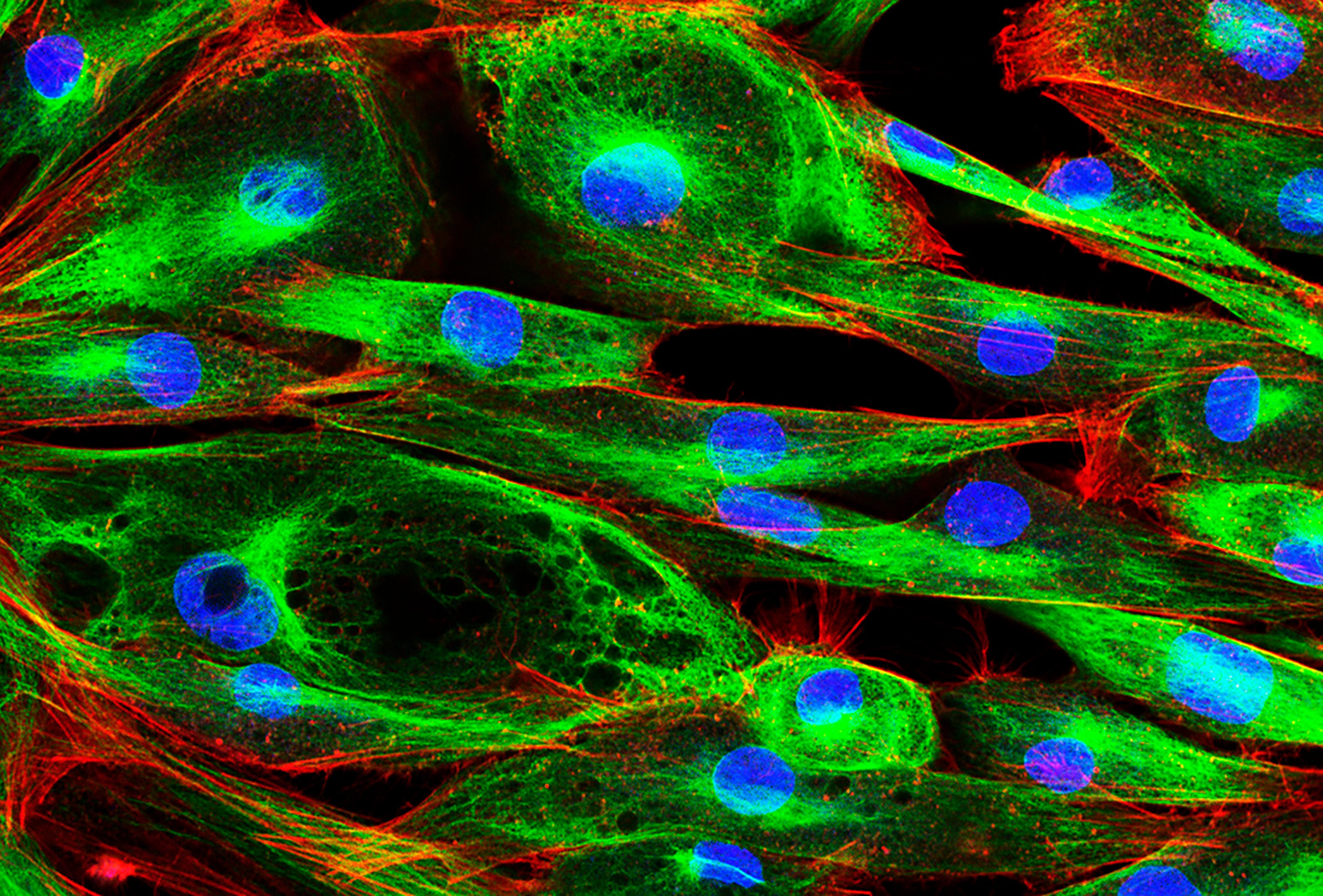
The pace of innovation in life sciences is accelerating, driven by the convergence of biophotonics, advanced imaging, precision light control and intelligent data analysis. Our recent Laser Focus World article, “How photonics is powering precision in the next wave of life sciences,” written by Stratos Kehayas, PhD, President of Photonics, G&H Group, highlights exactly how these technologies are transforming biological research, medical diagnostics and clinical decision-making.
At G&H, we see these trends firsthand in our work with global OEMs: the need for stable, high-quality photonic subsystems has never been greater. The article reinforces why photonics, particularly quantum technologies, OCT imaging, AI-enhanced interpretation and fast acousto-optic control, is becoming the backbone of next-generation life-science instrumentation.
Key features of the article include:
Photonics is rapidly becoming the foundation of life-science and biophotonics technologies
Modern instruments increasingly rely on the ability to manipulate, transmit and detect light with exceptional precision. This underpins breakthroughs across:
The article emphasises that photonics is no longer supporting life-science innovation, it is driving it.
 ©️ G&H
Biophotonics instruments now demand sophisticated spectral and temporal control
Multiparametric fluorescence microscopy and high-throughput flow cytometry require:
Photonic hardware now needs to accommodate dozens of simultaneous detection parameters in fast-moving biological assays.
Acousto-Optics are becoming essential for dynamic, real-time biological analysis
The article highlights the growing importance of acousto-optic (AO) devices in enabling high-speed, high-precision workflows such as:
AO provides microsecond-scale modulation and beam steering without mechanical moving parts, making it ideal for today’s compact, high-throughput life-science systems.
OCT and advanced optical imaging are transforming non-invasive diagnostics
OCT continues to expand beyond ophthalmology into oncology, dermatology, vascular imaging and research applications. The article notes:
These trends reflect the broader shift toward clinically deployable biophotonics instruments that offer high fidelity with minimal patient or sample disruption.
 Stratos Kehayas, PhD, G&H President of Photonics©️ G&H
AI and computational imaging are unlocking deeper biological insight
As photonic systems deliver higher-resolution data, AI and machine learning are becoming essential for:
The article underscores that AI magnifies the value of photonics but only when the underlying optical signals are stable, high quality and precisely engineered.
The future lies in integrated photonic subsystems purpose-built for life sciences
The article highlights the industry-wide move from individual components to fully integrated, application-specific photonic architectures.
For biophotonics, this means:
This shift aligns directly with G&H’s strategy across optics, fibre optics, electro-optics and acousto-optics.
In summary, the Laser Focus World article makes one thing clear: photonics is now central to the evolution of biophotonics and life-science technologies. From quantum-level sensitivity and AI-enhanced interpretation to OCT imaging and high-speed AO control, the next generation of diagnostic and research tools will depend on precise, stable, and intelligently integrated photonics.
G&H is uniquely positioned to support this transition, delivering the photonic subsystems and expertise that global life-science innovators rely on.