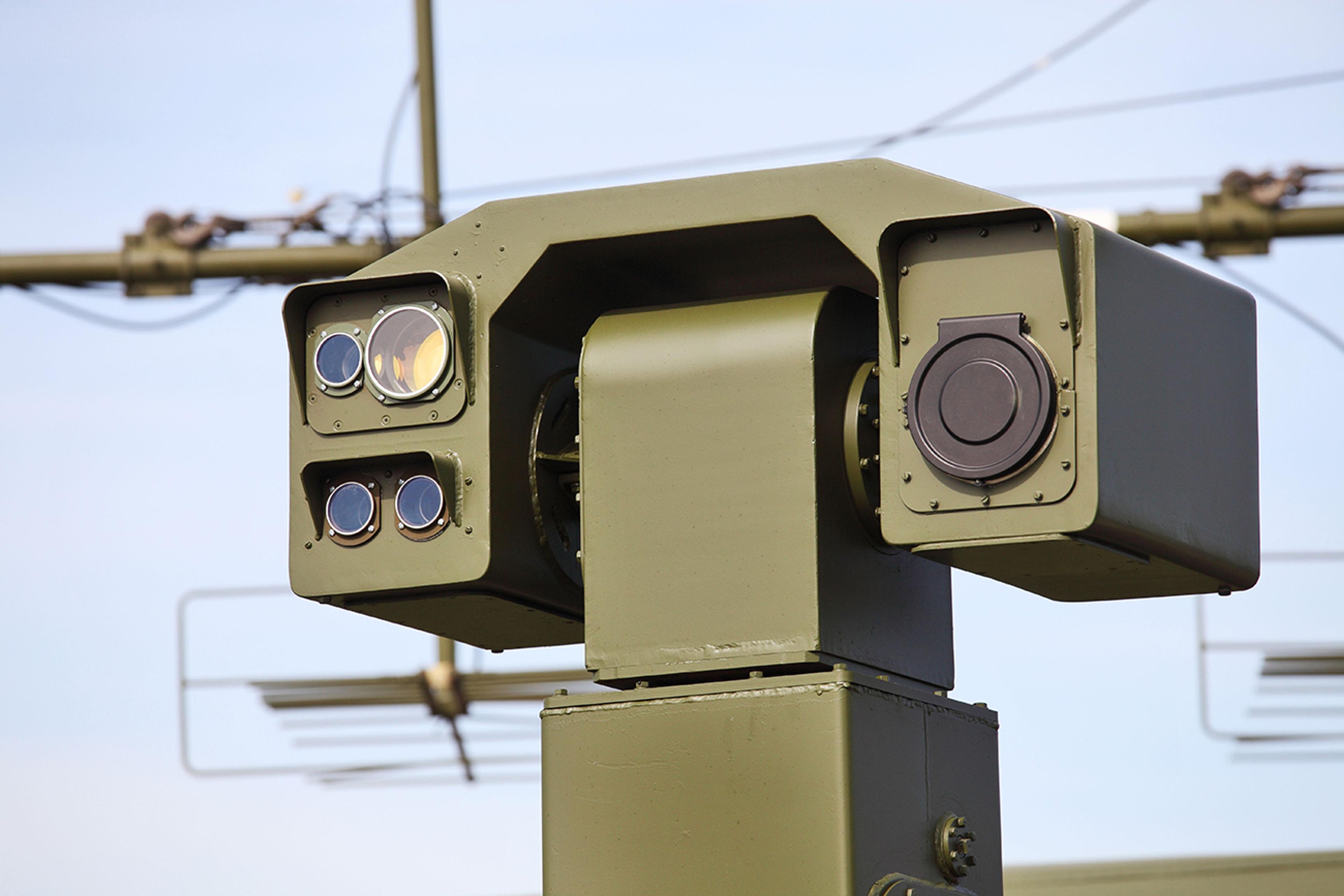
Vision Systems
Incredibly durable and dependable. Trusted by vision system and periscope integrators and suppliers worldwide.
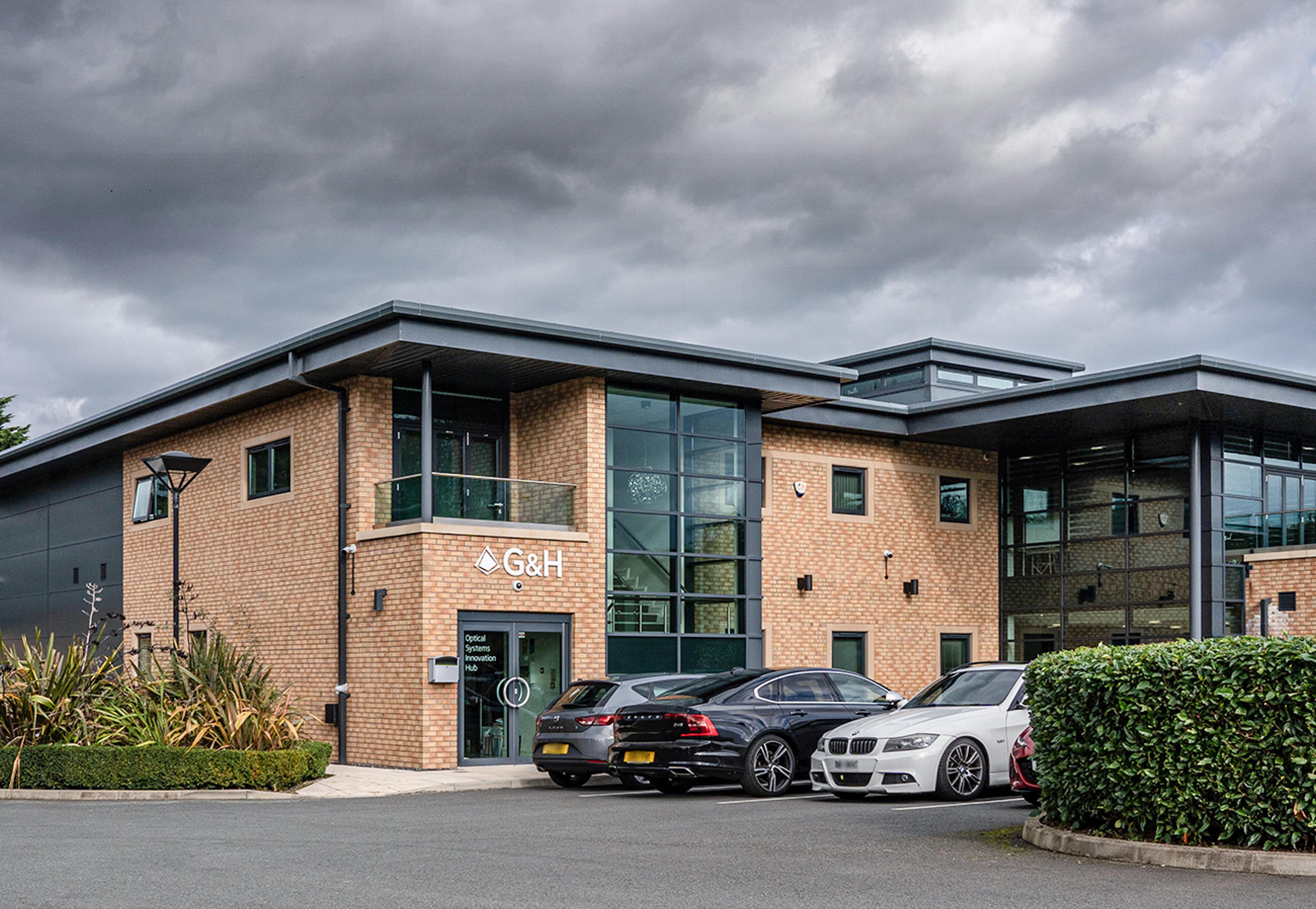 ©️ G&H St Asaph Optical Systems Innovation Hub
Developing an advanced optical system rarely comes down to optics alone. Performance depends on how effectively optics, sensors, electronics, mechanics and software work together - often within strict limits on size, weight, power and environmental resilience.
At G&H’s Innovation Hub in St Asaph, North Wales, those disciplines come together in one specialized engineering environment.
G&H’s total footprint in St Asaph includes 32,636 sq ft of facilities and 66 employees. As part of the campus, the Hub serves as a center for the design and development of advanced optical and electro-optical systems. Bringing together expertise in optical design, opto-mechanical engineering, electronics, sensor integration, system testing and program management, the team works with customers to turn complex requirements into practical, manufacturable solutions.
 ©️ G&H
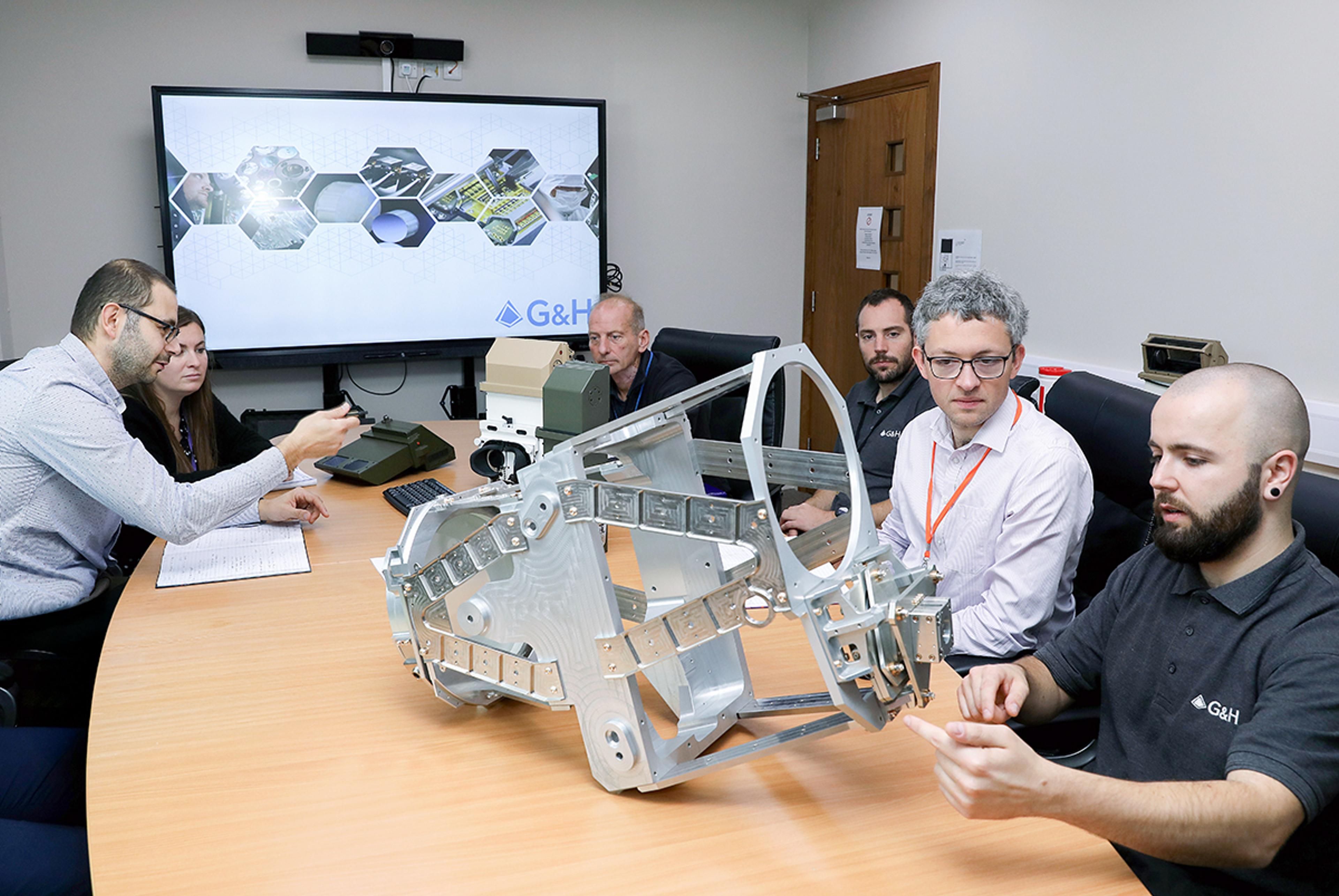
At G&H, product development starts with understanding what the system ultimately needs to achieve.
“Customers don’t always come to us with a fully defined optical specification. They may come with a performance requirement, an existing platform, or a problem they need to solve. Our role is to understand those constraints, evaluate the available technologies, and develop the system architecture around the application,” said Andy Sayle, Chief Engineer.
Early engagement enables our engineers to work alongside customers during the conceptual phase, capturing and translating operational needs into defined system requirements, assessing technology options and conducting component and architecture trade-off studies before a design becomes fixed.
This application-specific approach is particularly important for systems operating under demanding constraints. Optical performance may need to be balanced against size, weight, power, environmental conditions, human factors, manufacturability and through-life support.
By addressing these considerations early, the St Asaph team can identify potential design challenges sooner and create an architecture optimized for the complete application rather than assembling individual components in isolation.
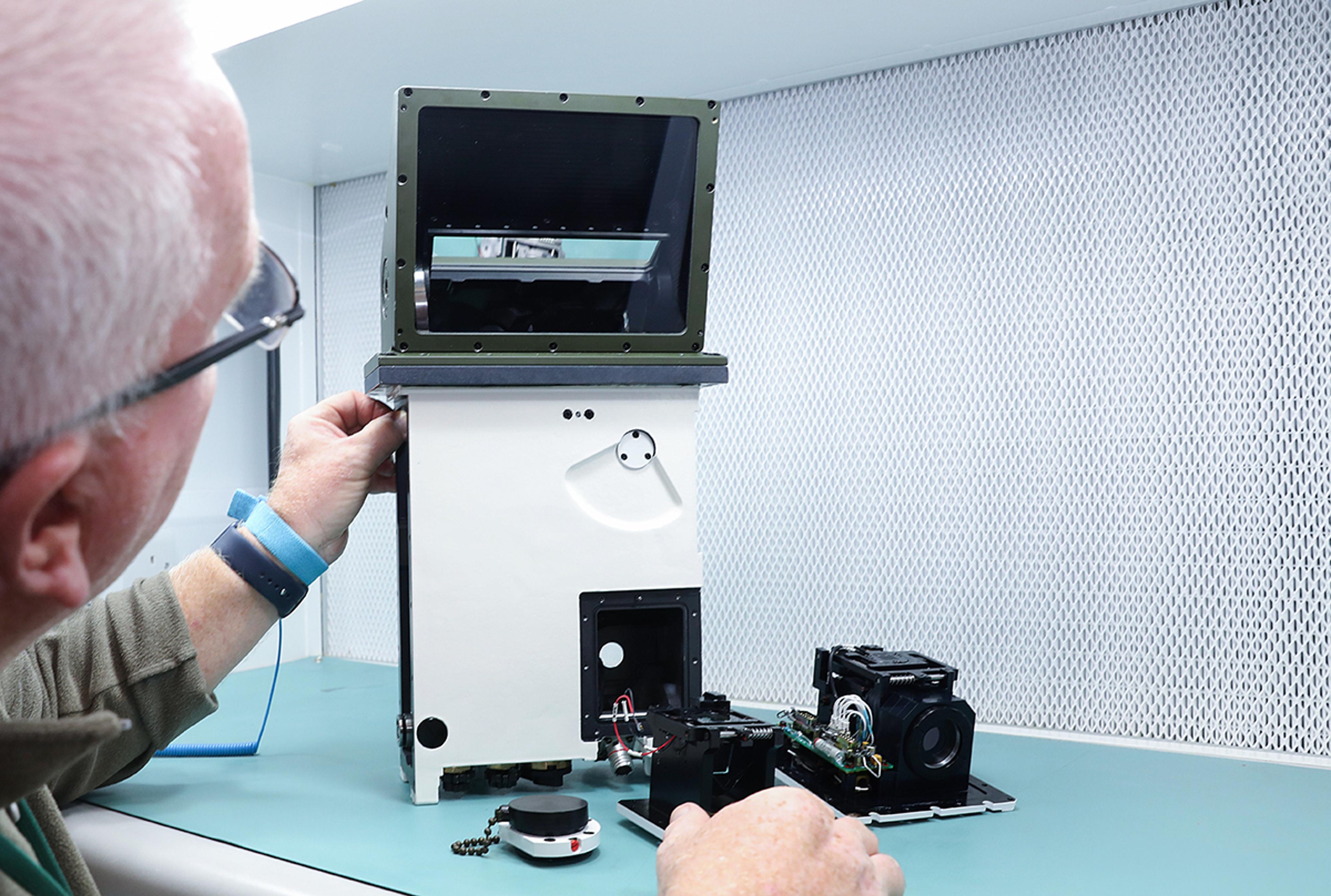 ©️ G&H St Asaph Innovation Hub
The Innovation Hub brings several engineering disciplines together within a single development team.
Capabilities include:
This breadth allows the team to develop systems that extend well beyond conventional optics.
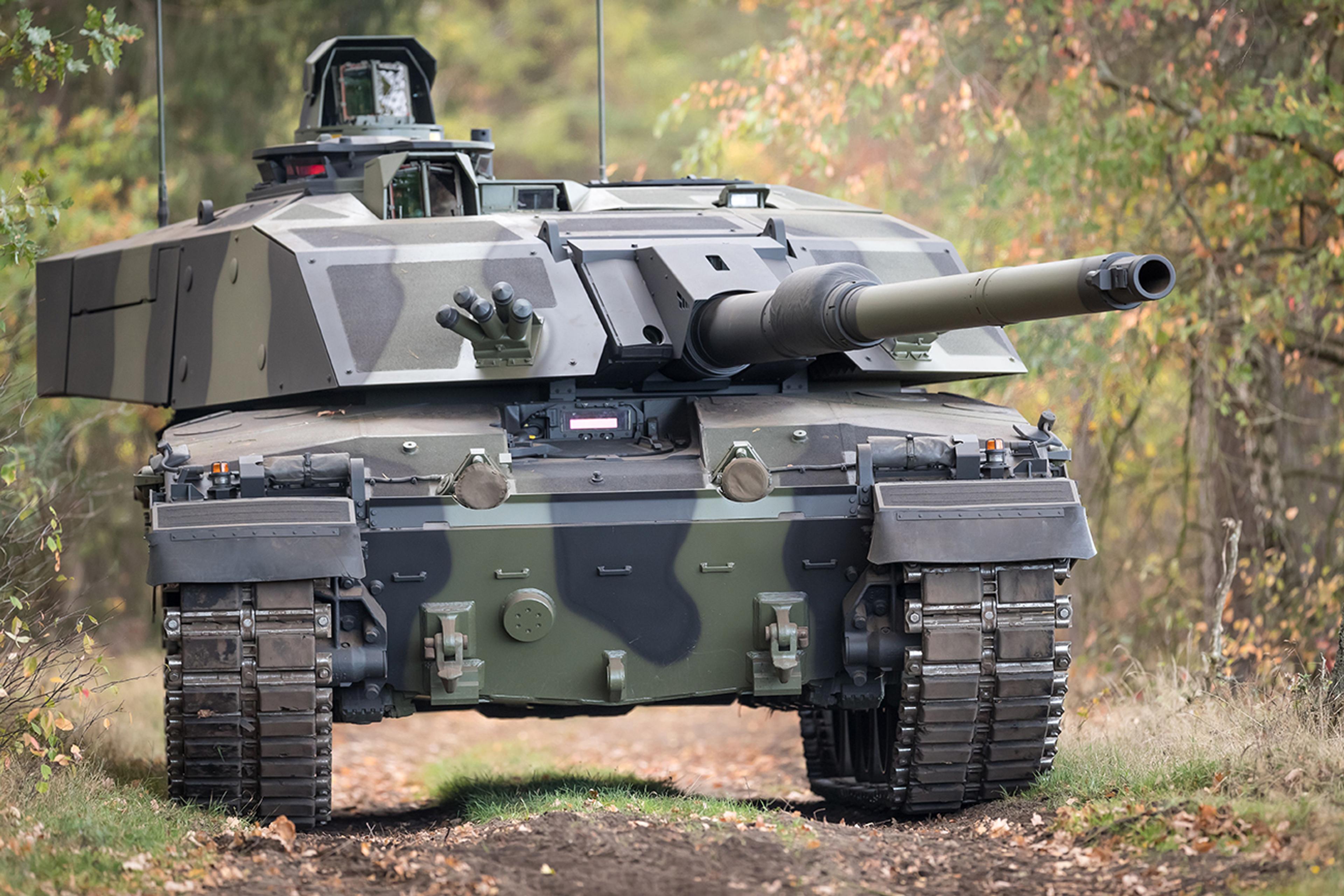 ©️ G&H embedded image periscope (EIP) on British Challenger 2 (Creator: Marcus Jacobs, Credit: Rheinmetall AG)
For armored fighting vehicle (AFV) applications, for example, G&H develops unity vision periscopes, driver vision systems, electronic and reversionary periscopes, multi-sensor sighting systems and ruggedized camera modules.
These systems can integrate direct-view optics, digital displays, visible cameras, short-wave infrared and thermal sensors, and electronics within tightly constrained vehicle envelopes.
“Defense customers are asking for increasingly integrated systems, combining optics, sensors, electronics and mechanics while still meeting demanding requirements for size, weight, performance and environmental resilience. Having those disciplines together at St Asaph means we can consider those requirements early and engineer the solution around the platform and the needs of its end user,” says Mathew Woodward, Head of Defense Programs.
While armored vehicle vision provides a strong example of the Hub’s systems-engineering capability, the same multidisciplinary approach can be applied to broader aerospace and defense challenges, including imaging, intelligence, surveillance and reconnaissance (ISR), directed energy and space-based optical systems.
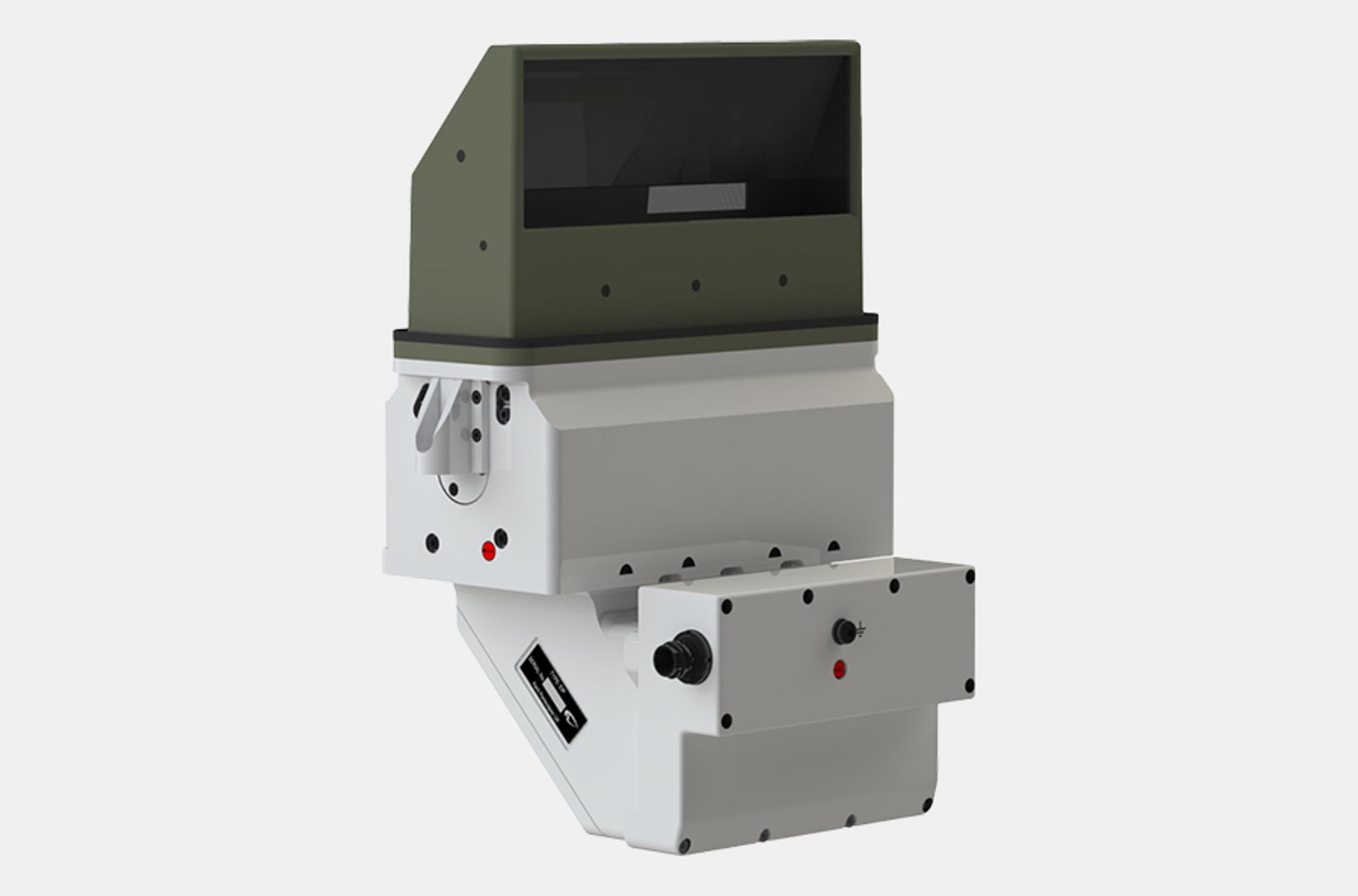 ©️ G&H Embedded Image Periscope (EIP) Biocular
One of the defining capabilities at St Asaph is the ability to engineer around an existing platform rather than requiring the platform to adapt to the optical system.
That can mean preserving established mounting interfaces, maintaining a fixed space envelope, integrating with existing electronics or adding new functionality without significantly altering the surrounding system.
G&H’s Enhanced Driver’s Vision System is one example. Developed as a modernization path for an existing passive driver’s periscope installation, it can retain the original mounting interface and space constraints while introducing configurable visible, SWIR or thermal imaging capability.
Similarly, G&H Embedded Image Periscopes combine a traditional direct optical view with digital imagery from sensors and cameras elsewhere on a vehicle. Drivers can transition between optical and electronic views without changing head position or replacing the periscope.
For mission-critical systems, this type of architecture can also provide valuable reversionary capability. If vehicle electronics or power are lost, a direct optical path can remain available.
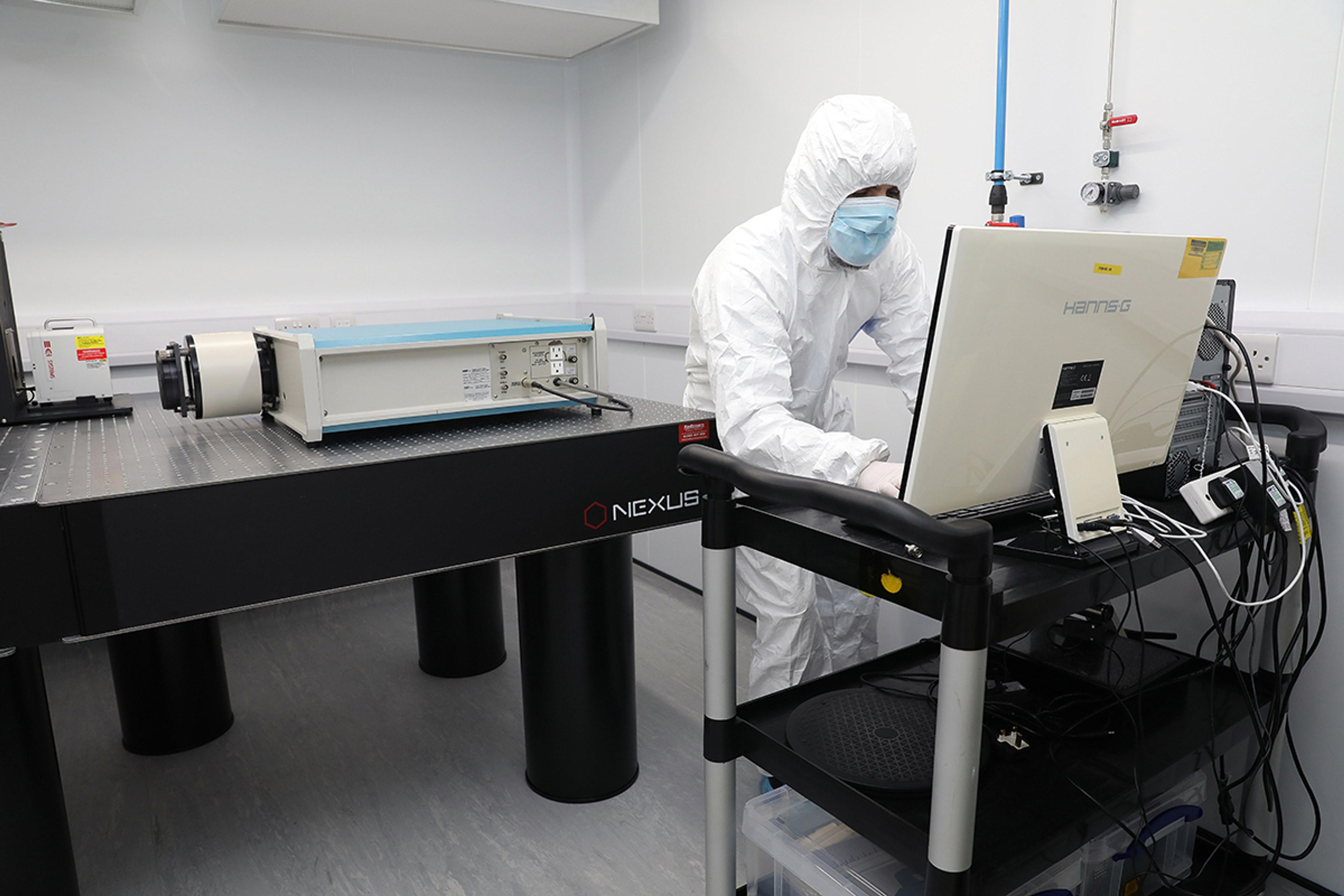
Designing an optical system is only part of the challenge. It must also be assembled, aligned, tested and verified against the requirements of its intended application.
The St Asaph Innovation Hub includes an ISO 5 cleanroom that provides the controlled environment required for precision optical assembly and extensive system alignment. The facility can support applications where contamination control and optical cleanliness are especially important, including high-energy optical systems and space-related technologies.
In-house test capabilities include environmental chamber testing for temperature and humidity, vibration and shock testing, EMC testing, power-supply testing and advanced optical testing. Combined with analysis undertaken during the design process, these capabilities allow the engineering team to evaluate and validate system performance throughout development.
Since the Innovation Hub was established, G&H has continued to invest in its electronic engineering and test capability at St Asaph. This has included additional EMC and power-supply test equipment, together with expansion of the engineering expertise required to support this work in-house.
The development process is supported by AS/EN 9100 and ISO 9001 quality frameworks and a structured new product development methodology incorporating design reviews, risk management, verification and design-for-manufacture considerations.
The objective is not simply to demonstrate that a concept works, but to create a product that can be manufactured repeatably and reliably.
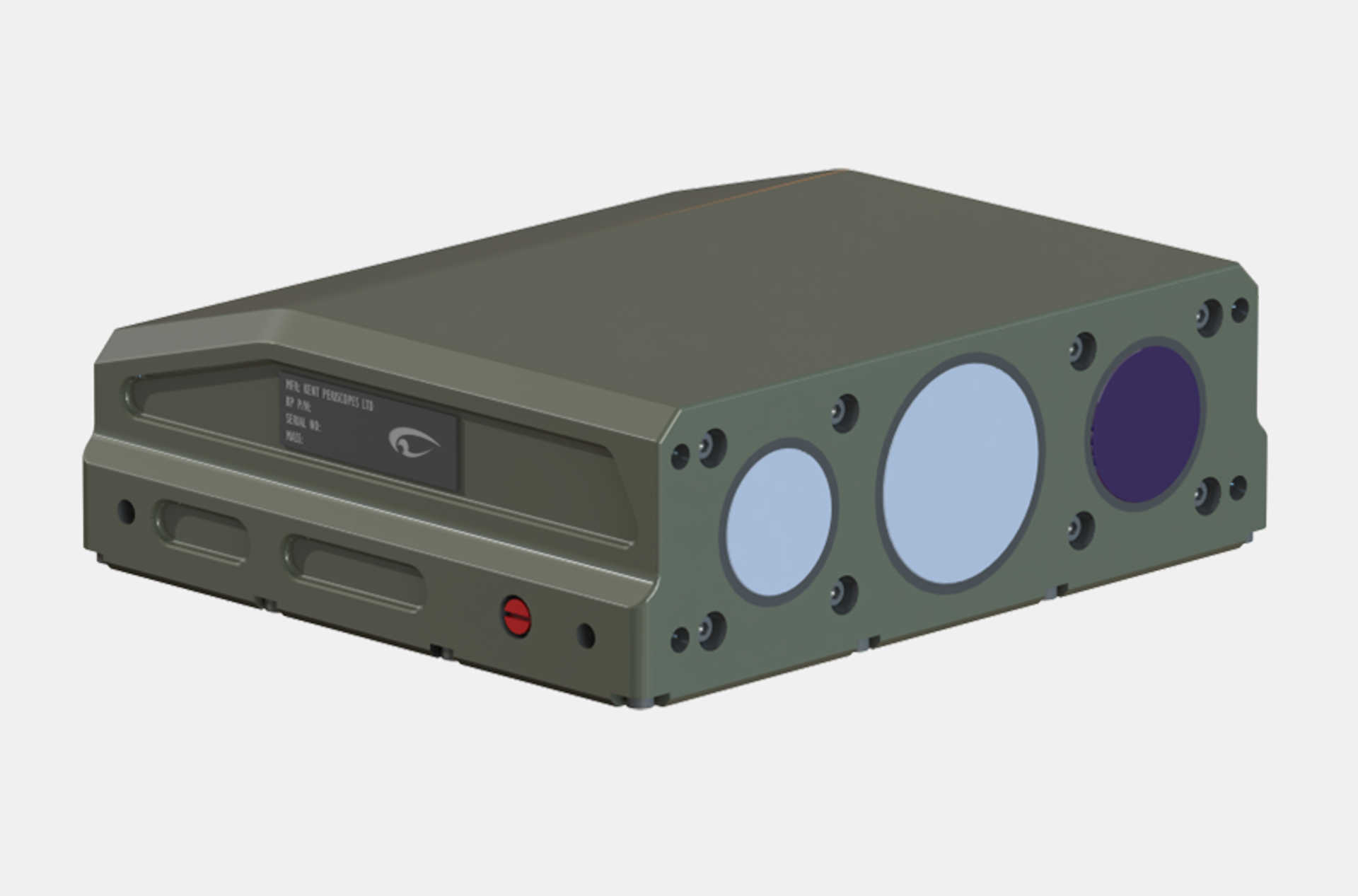 Spectre Camera Module©️ G&H
Many systems developed at St Asaph are destined for environments where optical performance alone is not enough.
For defense applications, systems may need to withstand shock, vibration, temperature and humidity extremes, contamination and severe mechanical constraints while continuing to provide reliable imagery. The Hub’s in-house environmental, vibration and shock test capabilities allow these considerations to be evaluated as part of the development and system-validation process.
Depending on the application and customer requirements, the team can design and test against a range of internationally recognized standards, including ISO, British Standards (BS), Defense Standards (DEF STAN), and US Military Standards (MIL-STD), such as DEF STAN 00-035 and MIL-STD-810.
G&H can also incorporate requirements such as laser protection, heated windows, EMC attenuation, radiation-hardened glass, ballistic protection and ruggedized optical windows into the wider system architecture.
Products such as G&H’s Spectre camera modules illustrate this approach. These ruggedized, hermetically sealed modules combine thermal and visible imaging channels and can be integrated with G&H Embedded Image Periscopes to provide digital imagery directly to vehicle crews.
Rather than treating optics, electronics and mechanics as separate elements, the system is engineered around the requirements of the complete application.
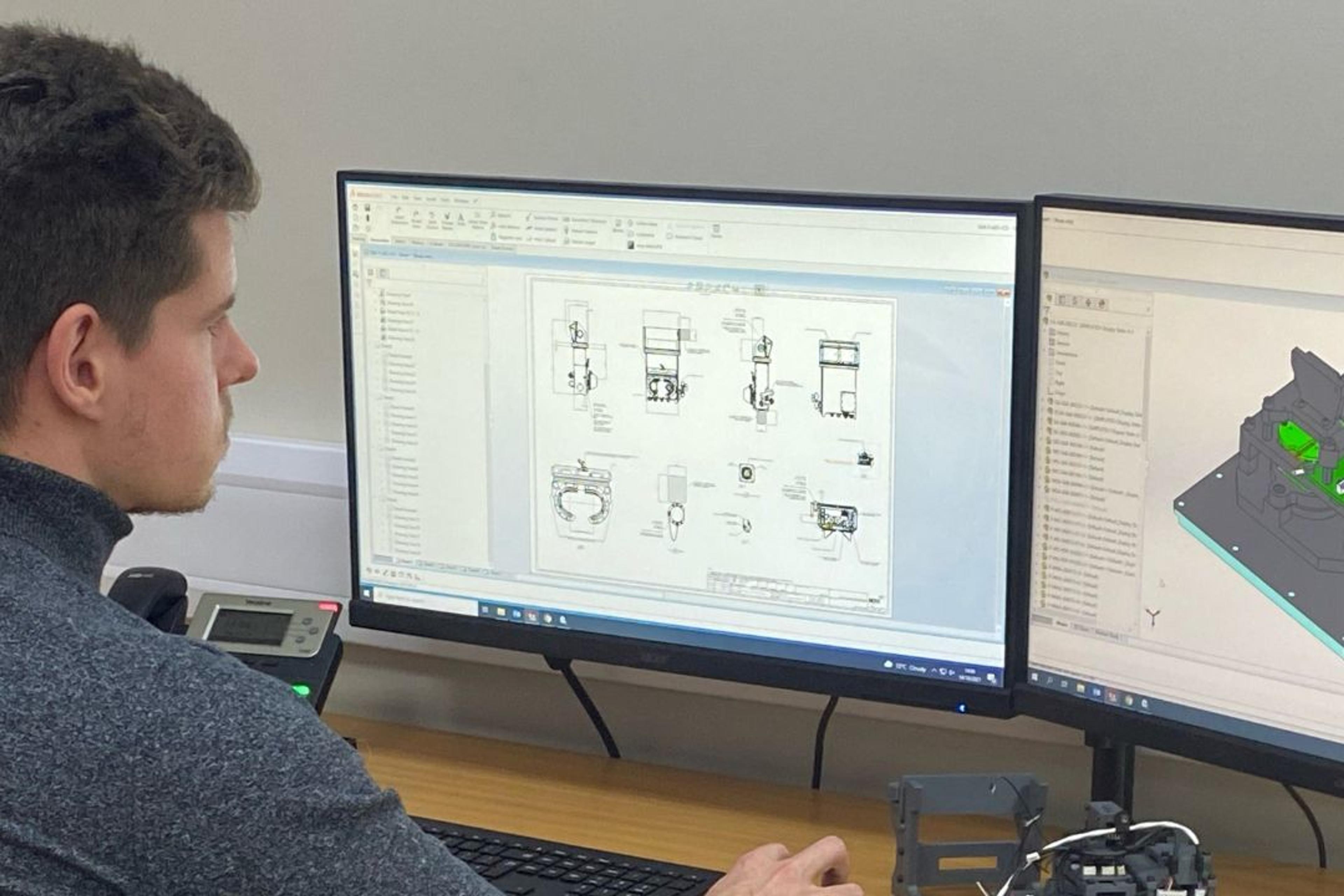 ©️ Private
The Innovation Hub also plays an important role in bridging development and manufacture. G&H’s vertically integrated capabilities span precision optics, coatings, optical assemblies, electronics, mechanics and system integration across manufacturing facilities in the UK and US.
This allows engineers at St Asaph to work closely with manufacturing teams throughout development, ensuring that new designs are not only technically differentiated but also practical to produce at the required cost, quality and volume.
The Challenger 3 Embedded Image Periscope program provides a clear example of this model. Design and prototype activity is carried out through the St Asaph engineering team, while production manufacturing is supported by G&H’s Ilminster facility.
That connection between system development and scalable manufacturing is central to the Hub’s role.
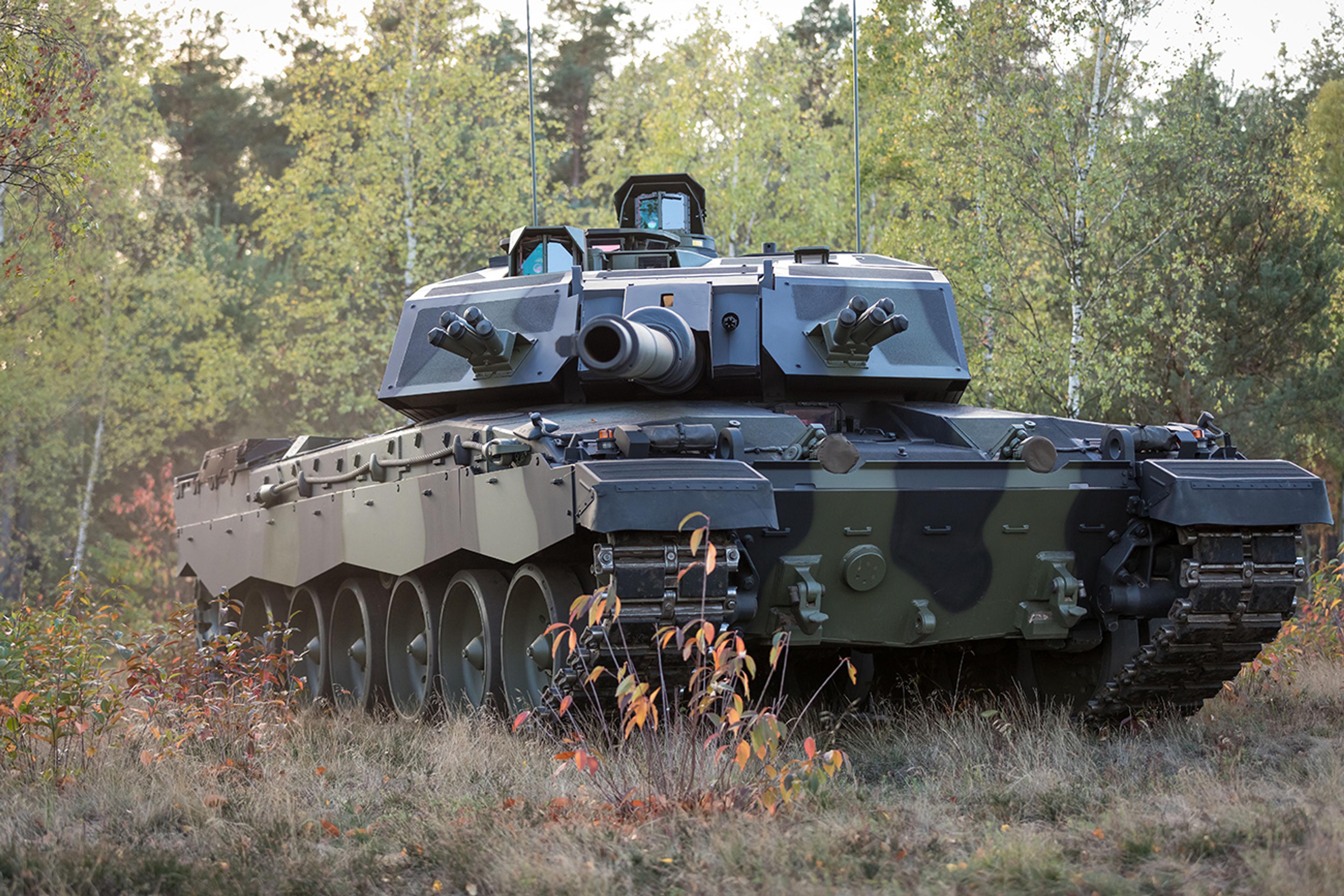 Challenger 2 tank©️ Rheinmetall AG.
G&H’s systems-engineering capability at St Asaph builds on the heritage of Kent Periscopes, whose expertise in electro-optical sighting and periscopic systems became part of G&H in 2016.
That expertise has supported requirements across UK and international armored vehicle programs, including Challenger 3, Warrior WCSP, and AJAX. Today, the portfolio encompasses technologies including the Sabre family of commander and gunner sights, Embedded Image Periscopes, the Enhanced Driver’s Vision System and Spectre camera modules.
This experience provides a strong foundation for solving new platform and modernization challenges, while the multidisciplinary engineering model established at St Asaph is applicable to a much broader range of defense optical systems.
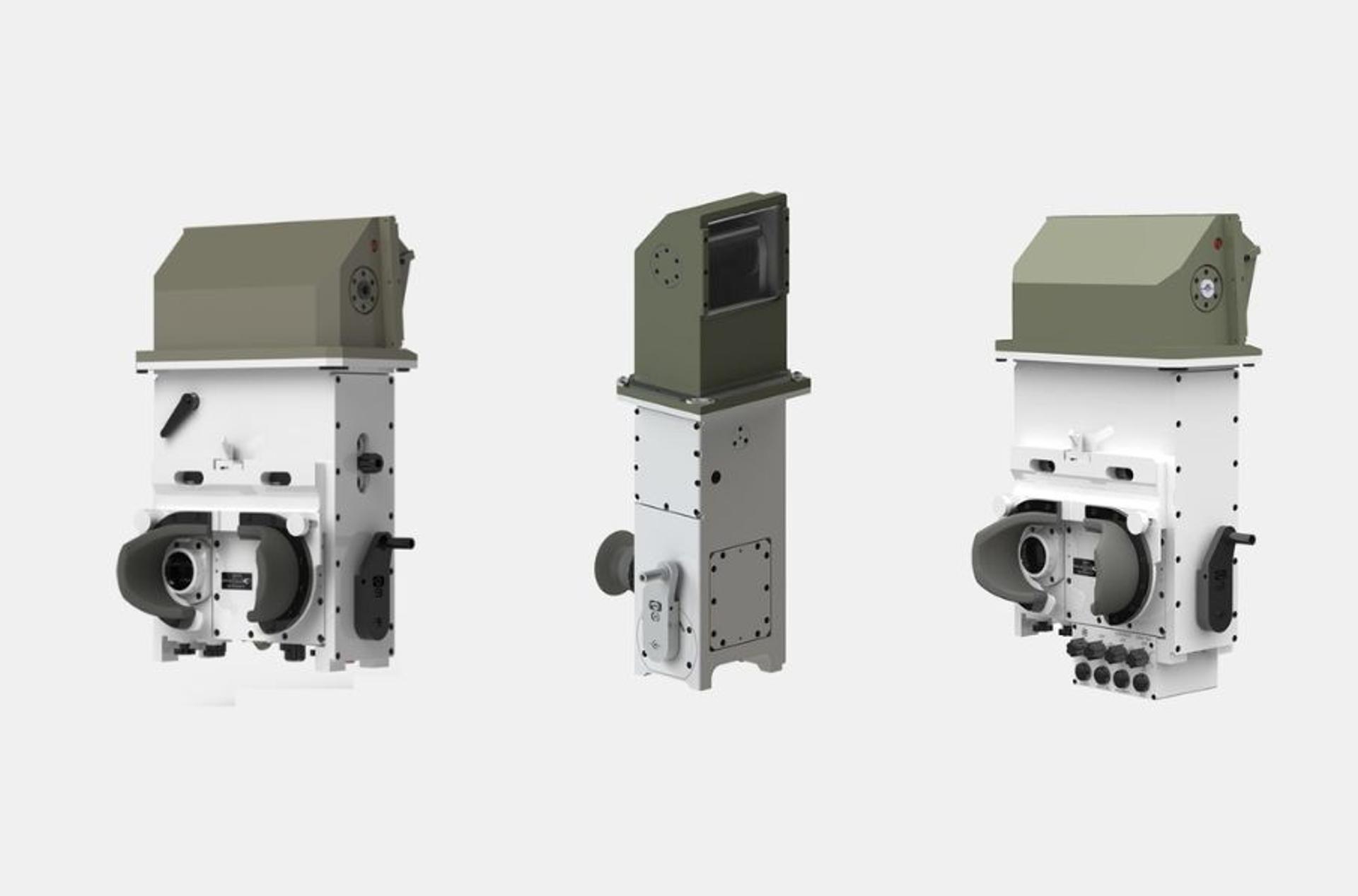 ©️ G&H Sabre series periscopes
For defense and aerospace OEMs and system integrators facing complex electro-optical requirements, St Asaph provides a point of engagement before the solution has necessarily been defined. The team can help translate operational requirements into system architecture, integrate the appropriate optical, sensing, electronic and mechanical technologies, validate performance against the intended environment, and work with G&H manufacturing teams to prepare the resulting design for production.
Supported by specialist development facilities and G&H’s wider manufacturing capabilities, the Hub is focused on a practical objective: creating differentiated optical systems that can be built reliably, repeatedly and at scale.