G&H | ITL
G&H | ITL provides end-to-end medical device design, development and manufacturing solutions for life sciences, in-vitro diagnostics and laboratory instrument applications.
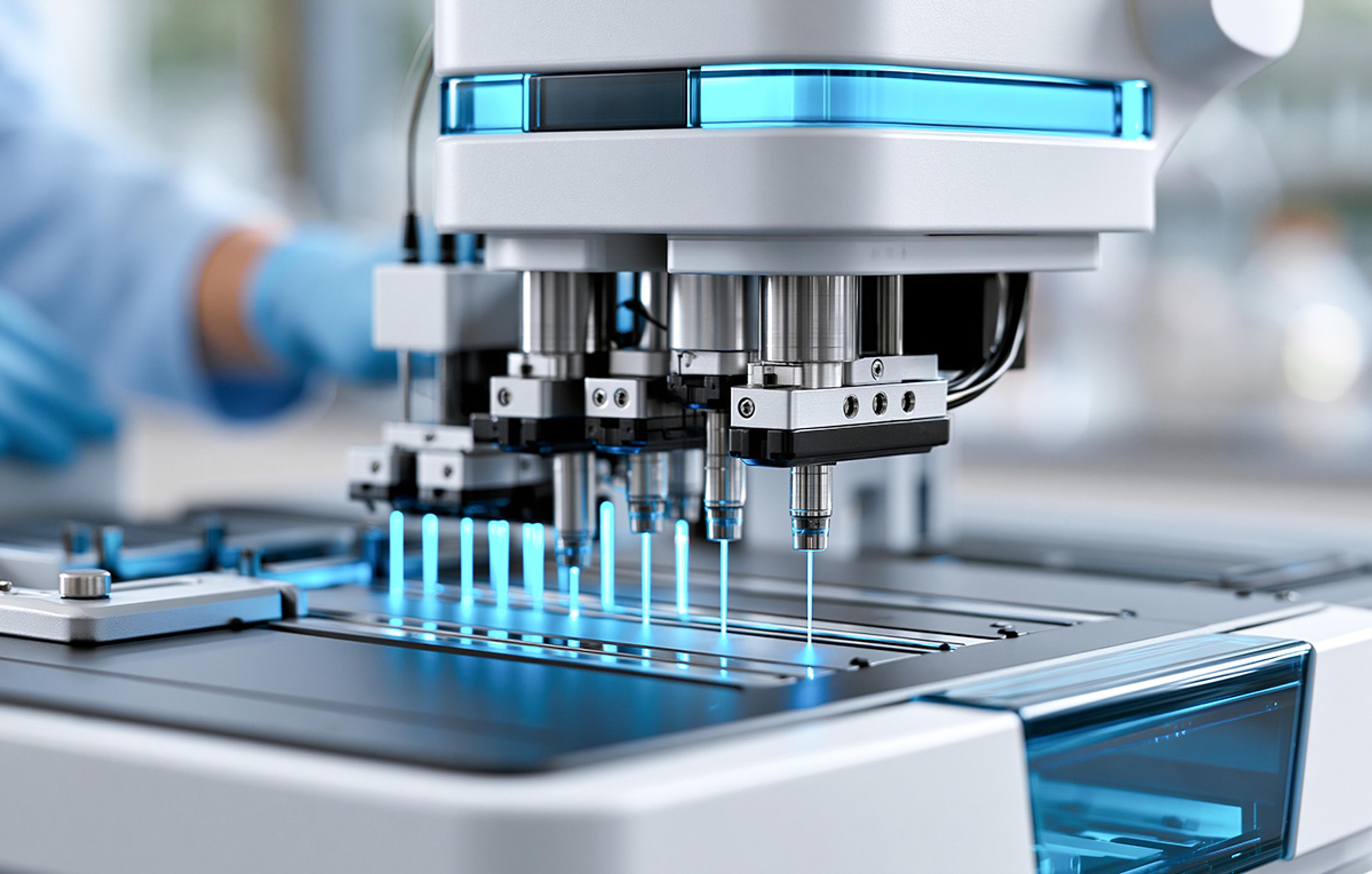
Laser-based technologies have transformed medical diagnostics and surgery by enabling clinicians to see, measure and intervene with unprecedented precision. From high-resolution diagnostic imaging to micron-accurate surgical guidance, lasers allow controlled interaction with biological tissue while minimising invasiveness, reducing patient trauma and supporting improved clinical outcomes.
At G&H, we work with medical technology developers to address the photonic challenges behind these advances. Our expertise spans acousto-optics, fiber optics, precision optical components and assemblies, helping medical OEMs control how light is generated, shaped, delivered and detected within increasingly sophisticated clinical systems.
As medical procedures evolve, the requirement is no longer simply for higher laser power or faster systems. Greater control is needed over wavelength, bandwidth, beam position, modulation and signal integrity. Increasingly, the performance limits of laser-based diagnostics and surgery are therefore defined not only at the system level, but by the capabilities of the underlying photonic components.
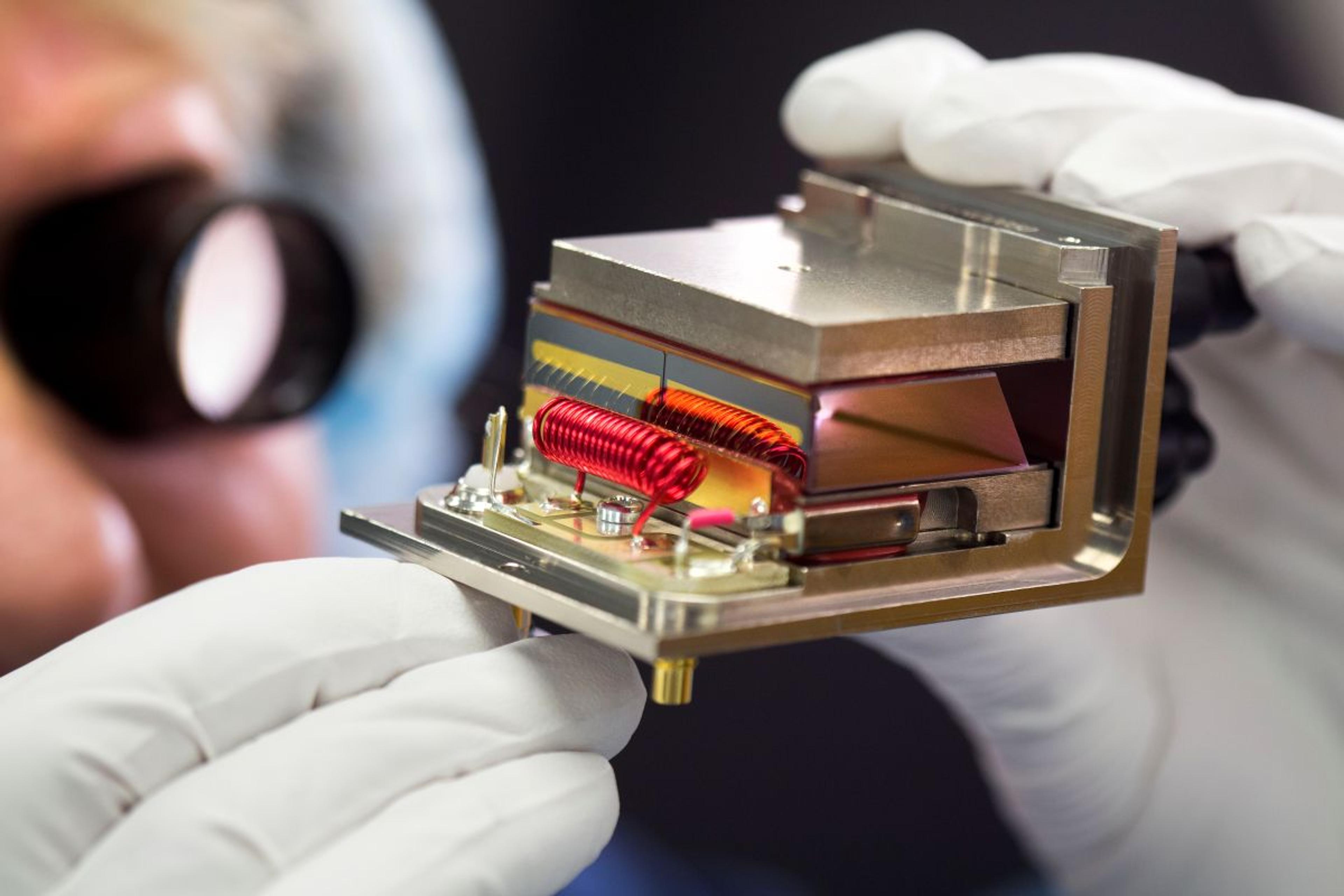
 ©️ G&H acousto-optic photonics assemblies
Emerging diagnostic and interventional techniques, including optical coherence tomography, fluorescence-guided surgery, laser-assisted biopsy and robotic laser procedures, place stringent demands on wavelength control, bandwidth, beam positioning, modulation speed and signal integrity.
Clinicians increasingly expect:
Meeting these requirements depends on photonic technologies that can deliver stable and repeatable performance within regulated clinical environments.
G&H supports this need through the development and manufacture of photonic components and subsystems designed for applications in which precision, reliability and long-term consistency are critical. By considering optical performance alongside manufacturability and system integration, component-level engineering can help medical technology developers achieve dependable clinical performance.
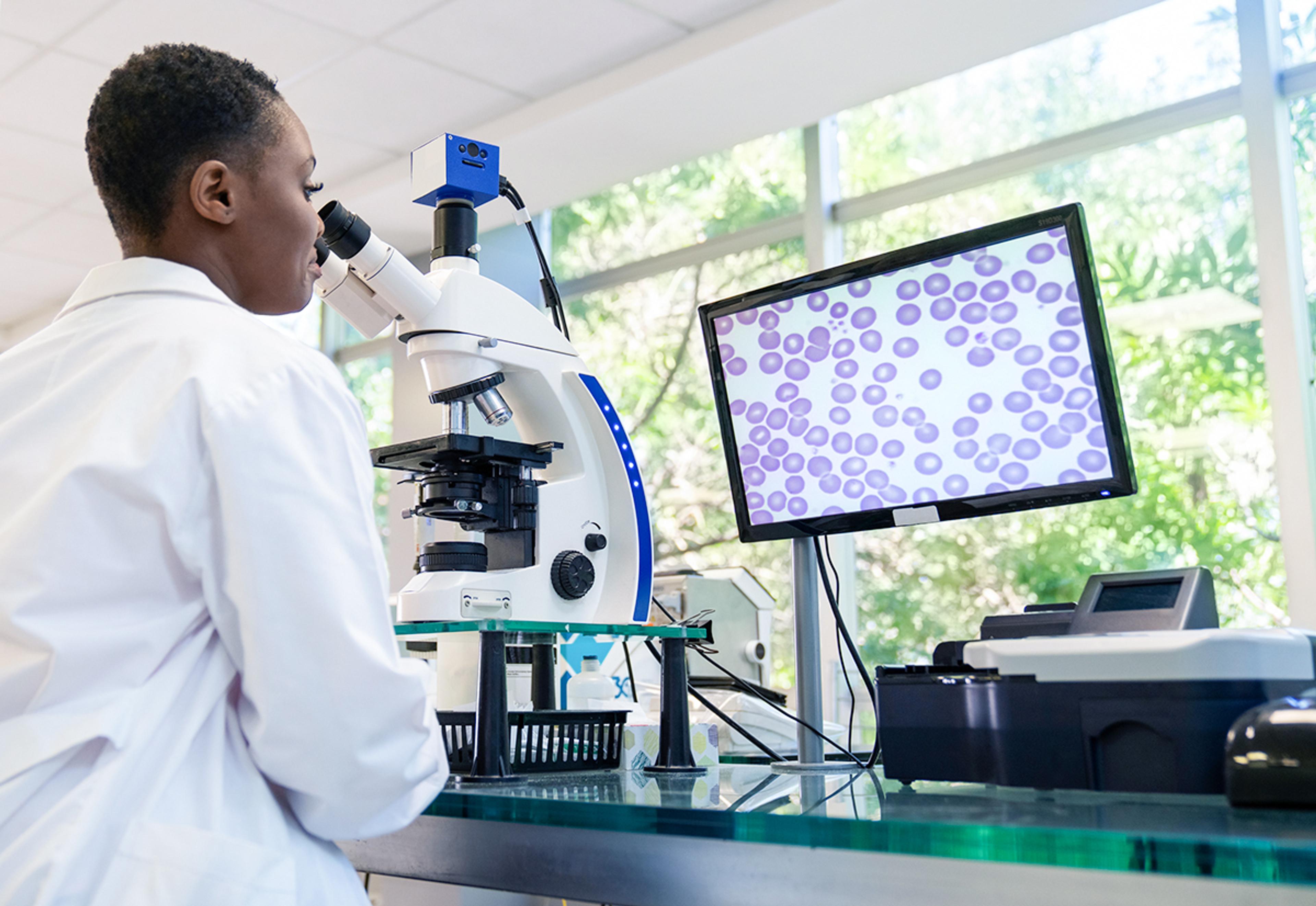
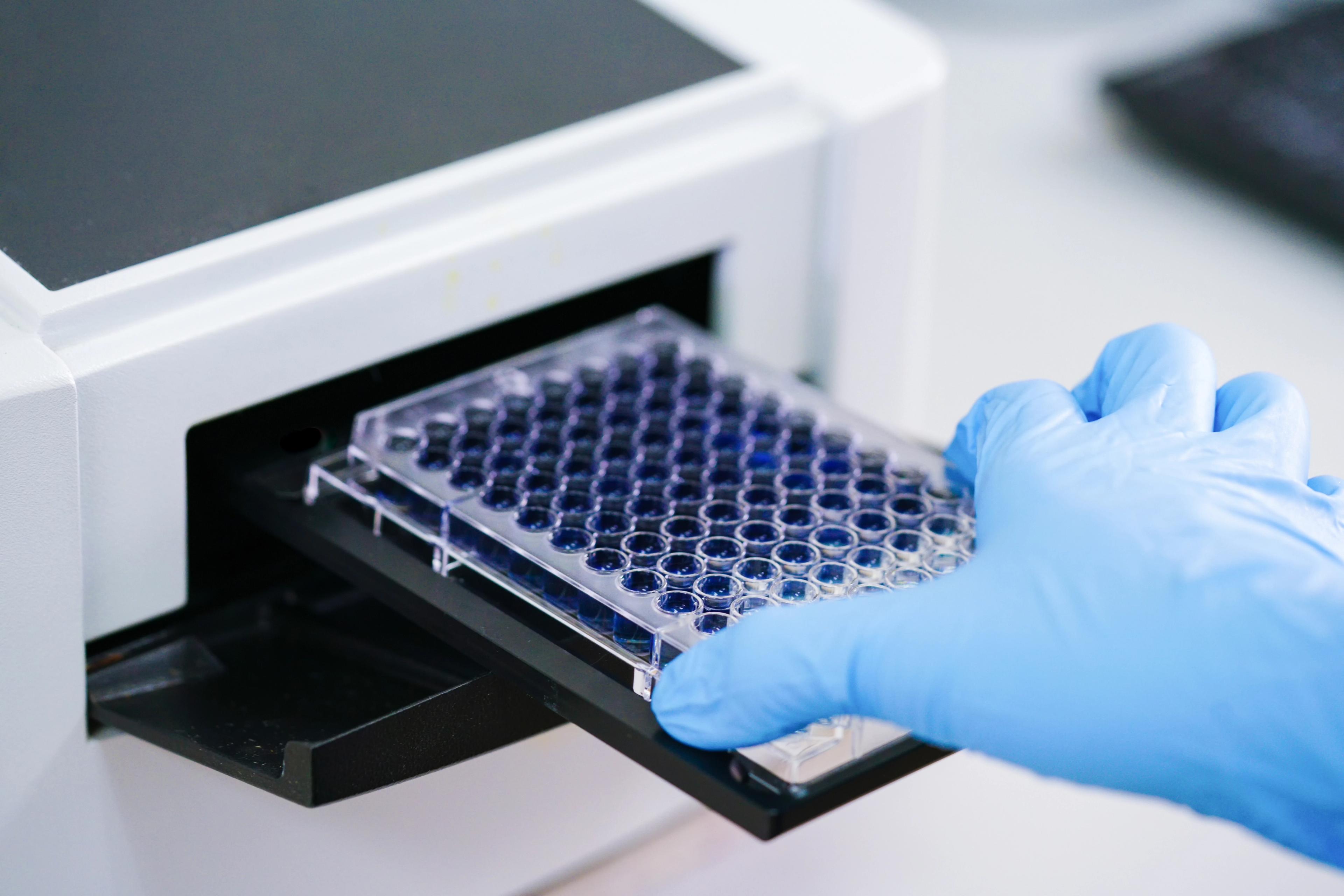
Laser-based fluorescence diagnostics, including flow cytometry and fluorescence microscopy, demonstrate how photonic challenges extend far beyond the laser source itself.
Modern systems routinely detect 20 or more fluorophores simultaneously, with higher-parameter platforms continuing to emerge. This increase in diagnostic information density creates tightly packed spectral environments in which accurate measurement depends on:
While laser sources have largely kept pace with these requirements, much of the complexity shifts downstream. Beams must be deflected to exact spatial positions, modulated on microsecond timescales and filtered to isolate signals within increasingly crowded spectral bands.
 ©️ G&H acousto-optic devices
G&H acousto-optic technologies can support dynamic beam steering and modulation without mechanical motion, allowing laser energy to be directed and controlled with high speed and repeatability. In spatial flow cytometry, for example, acousto-optic deflectors can be used to create multiple interrogation points from a single laser source, increasing throughput while preserving diagnostic precision.
Tunable optical filters can play a similarly important role. As spectral spacing becomes tighter, the ability to tune rapidly between detection wavelengths while maintaining sharp spectral edges affects how reliably closely spaced emission peaks can be resolved.
Performance at this level depends on more than the overall filter design. Crystal quality, optical materials, coatings and manufacturing consistency can all affect transmission, spectral resolution and repeatability. G&H combines expertise in optical materials and acousto-optic engineering to help developers manage these component-level variables.
In advanced fluorescence diagnostics, the ability to control wavelength accurately may ultimately determine how far multiplexing capability can be extended.
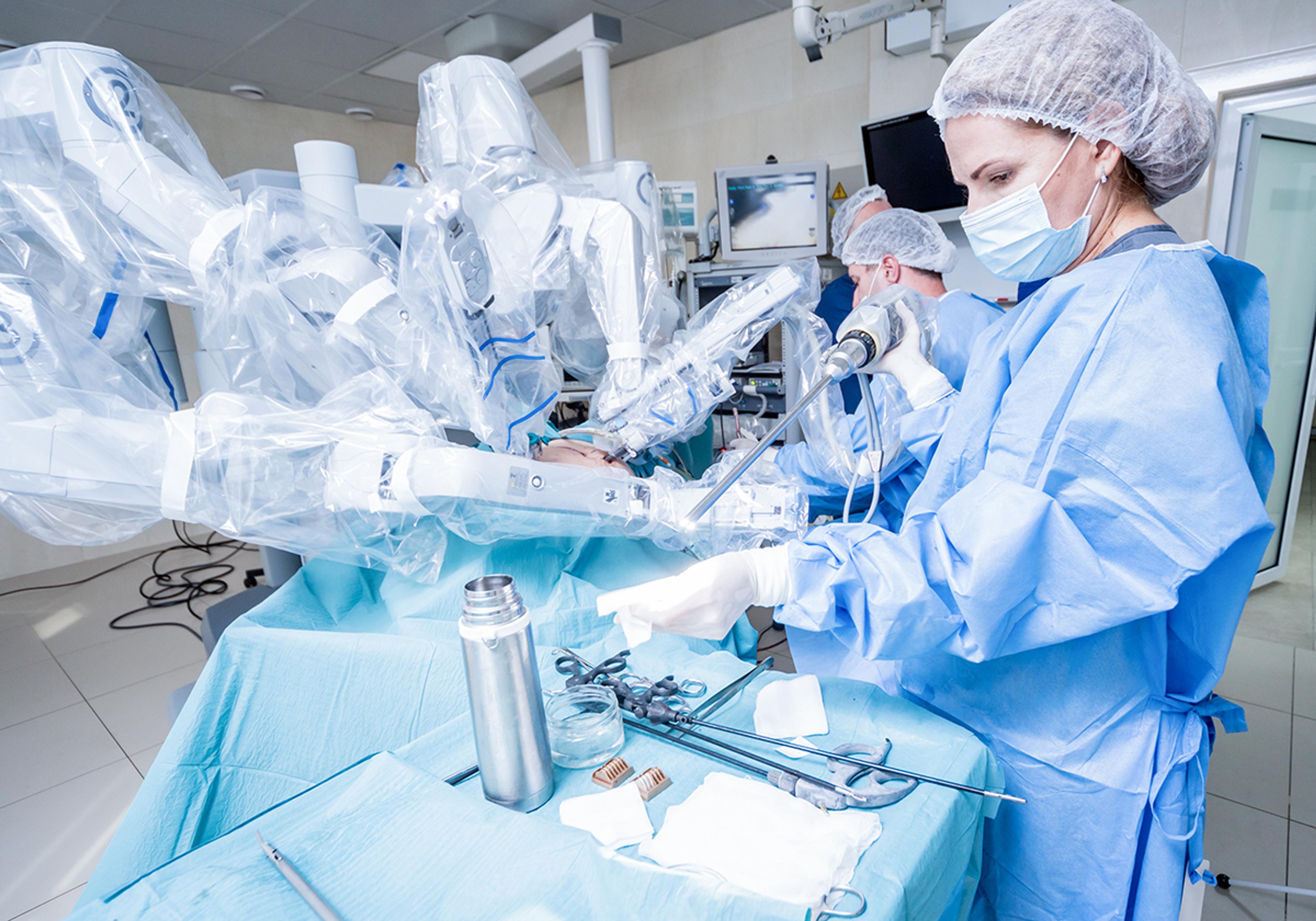
Surgical applications place an additional burden on laser systems: translating clinician intent into controlled and repeatable light–tissue interaction with minimal latency.
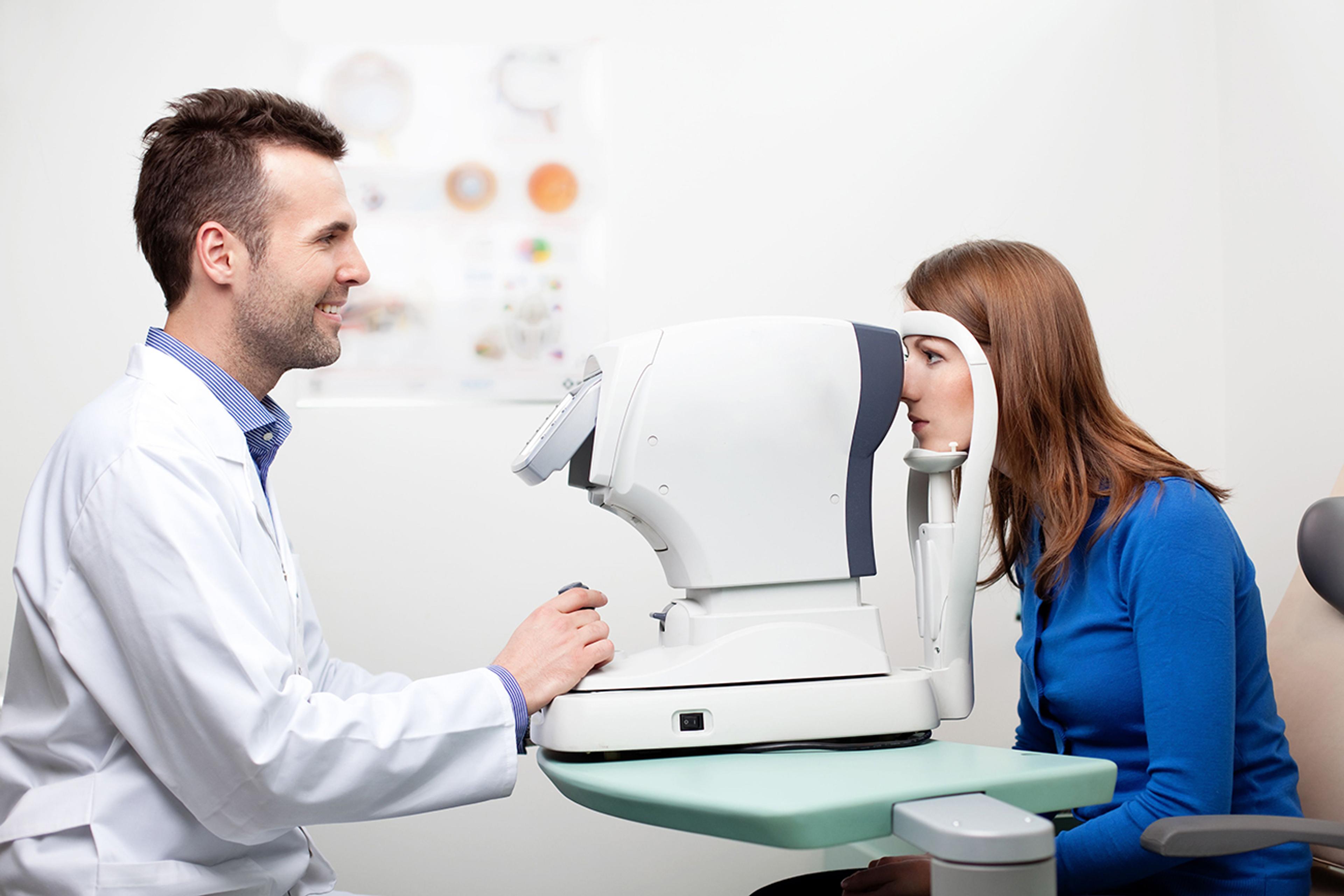
Ophthalmic laser procedures provide a clear example. The eye contains complex millimetre- and sub-millimetre structures that demand micron-level beam-positioning accuracy. Whether the laser is used for therapeutic intervention or diagnostic assessment, the beam must be steered precisely and repeatedly.
Acousto-optic deflectors provide a means of converting electronic control signals into physical beam movement without relying on mechanical scanning components. This enables rapid and predictable beam positioning, supporting applications in which speed and accuracy must be maintained over repeated procedures.
Robotic-assisted laser surgery extends these requirements further. These platforms combine multi-axis motion, tremor reduction and enhanced visualisation to support smaller incisions, reduced blood loss and faster recovery.
The photonic infrastructure behind these systems include fiber optics for beam delivery, imaging and illumination, alongside precision optical components that shape, direct and collect light throughout the surgical platform.
Although individual system architectures vary, the underlying requirement is consistent: laser-based robotic surgery depends on low-latency optical feedback delivered with clinical-grade reliability.
As vision-guided and AI-assisted surgical tools become more prevalent, these systems are likely to require greater bandwidth, faster optical response and increasingly sophisticated integration between sensing, imaging and laser delivery.
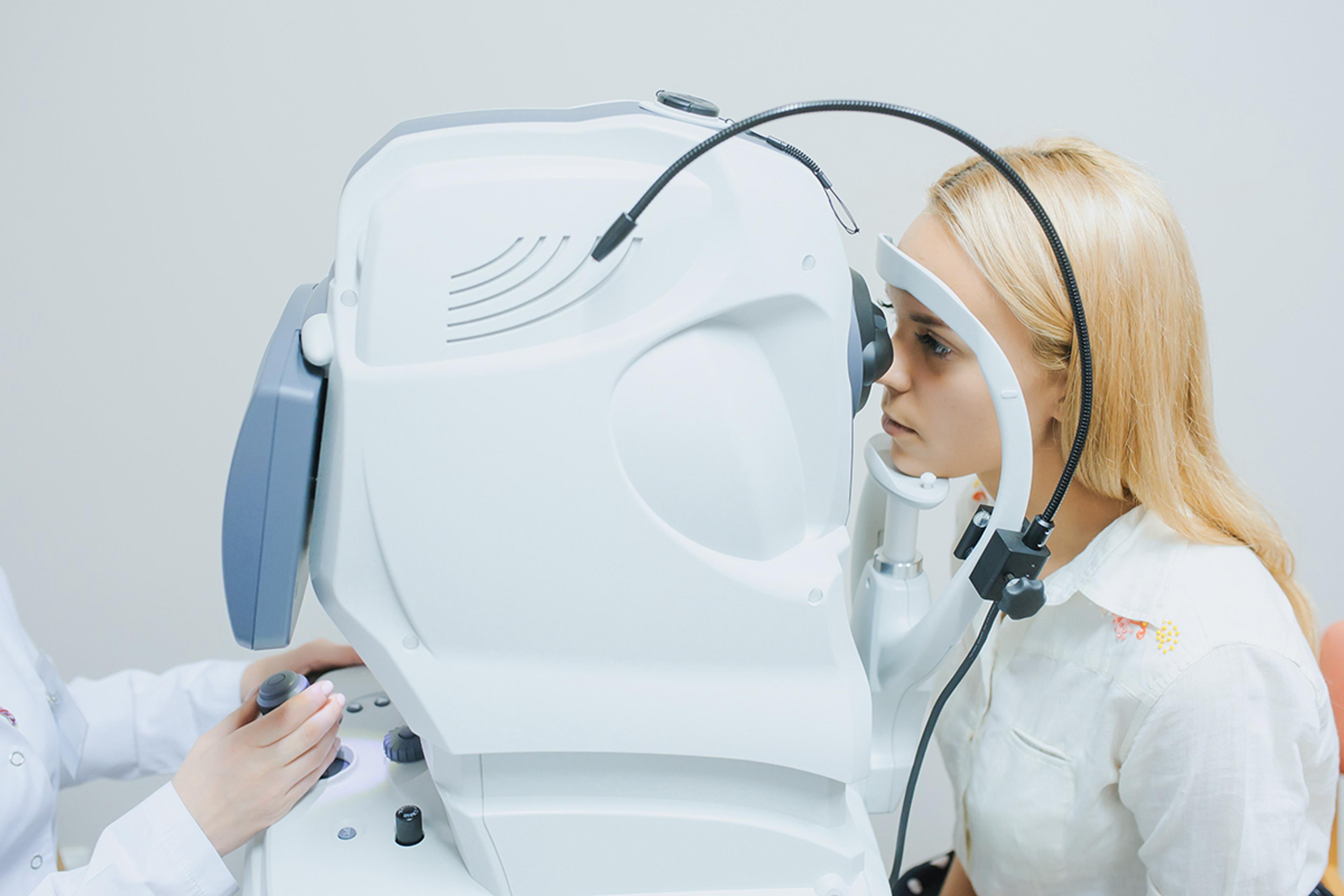
Optical coherence tomography (OCT) remains one of the most powerful examples of laser-based diagnostics—and one of the clearest demonstrations of how component-level photonics can define clinical capability.
OCT is widely used in ophthalmology because it provides micron-scale cross-sectional images that support the early detection and monitoring of retinal disease. The technology is also expanding into cardiology, gastroenterology and other interventional applications, where imaging may be performed from inside the body using catheter-based probes.
These procedures impose demanding requirements on laser sources and photonic subsystems. Two parameters are particularly important:
In intravascular OCT, insufficient bandwidth can limit how deeply clinicians are able to visualise vessel walls. Spectral nonuniformity can also degrade resolution in regions where clinically important pathology may be located.
In this context, bandwidth, insertion loss, wavelength response and spectral stability are not abstract engineering specifications. They can directly influence the level of diagnostic information available to the clinician.
G&H supports OCT and other advanced imaging applications through expertise in broadband fiber-optic components, precision optics and integrated optical assemblies. By controlling component performance and manufacturing consistency, developers can reduce variation within the optical path and maintain imaging performance across repeated use and production volumes.
This becomes particularly important as OCT systems move beyond established ophthalmic applications and into compact, catheter-based and multimodal clinical platforms.
Lasers and photonic components define the quality and fidelity of the original optical measurement. Emerging analytical technologies are now extending how that information can be interpreted and used clinically.
Artificial intelligence is increasingly being applied to laser-generated optical data, extracting patterns and insights that may not be apparent through visual interpretation alone. In diagnostic imaging, AI can assist in identifying subtle disease markers. In OCT, it can help assess tissue composition or plaque morphology. In surgical systems, it can support navigation and decision-making using real-time optical feedback.
However, the value of the analysis remains dependent on the quality of the underlying data. AI cannot compensate fully for inconsistent wavelength control, unstable beam positioning, optical noise or inadequate resolution.
Reliable AI-assisted diagnostics therefore begin with a stable photonic architecture. G&H helps medical technology developers address this foundation through component selection, optical design, precision alignment and scalable manufacturing.
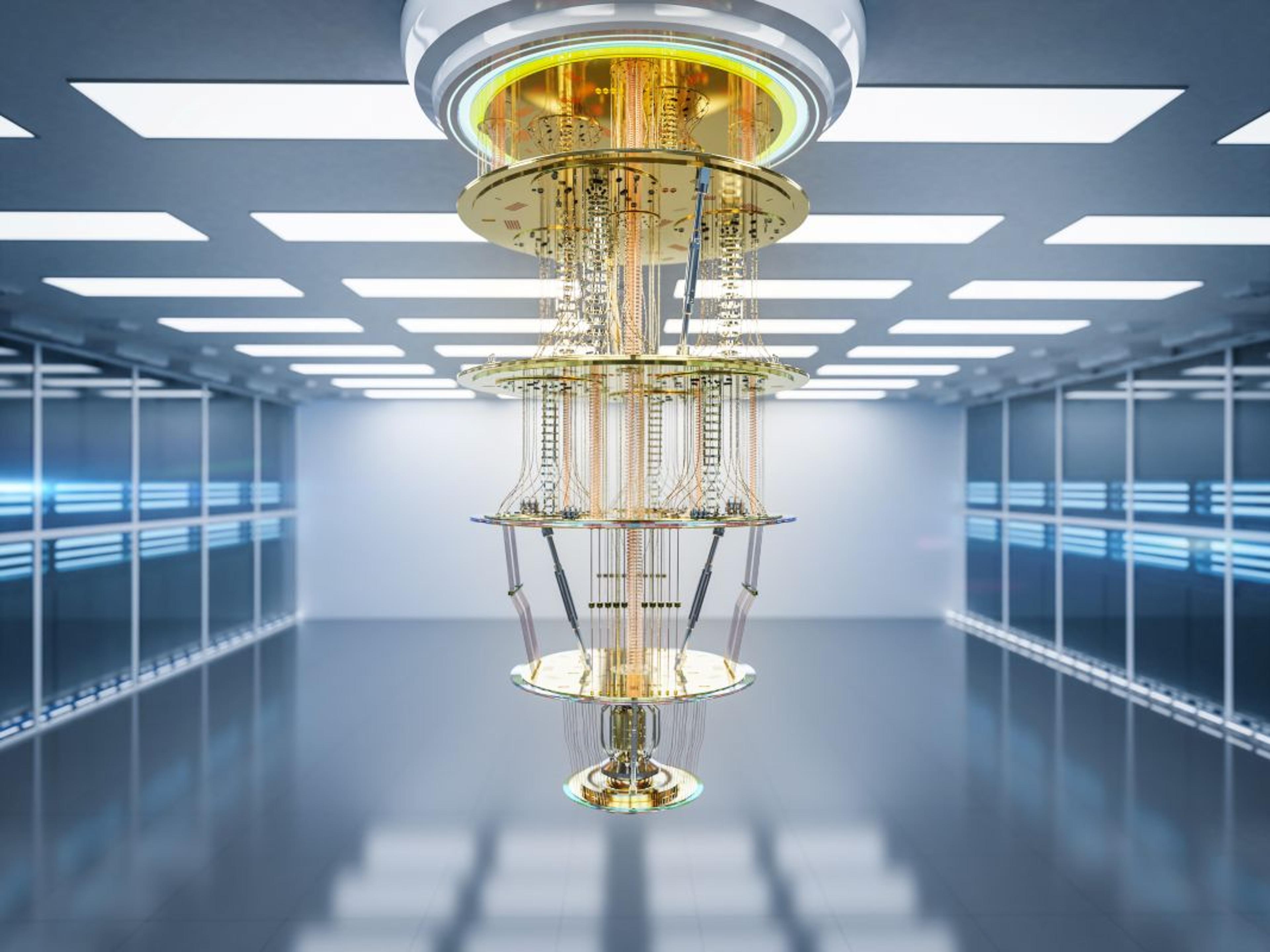
Quantum-enhanced optical sensing represents a longer-term frontier. Techniques developed for high-precision measurement, including atom-based sensing supported by tightly controlled laser systems, may eventually enable substantial gains in sensitivity.
Clinical adoption remains at an early stage, but these approaches demonstrate how advances in laser control, wavelength stability and optical detection could support entirely new diagnostic modalities.
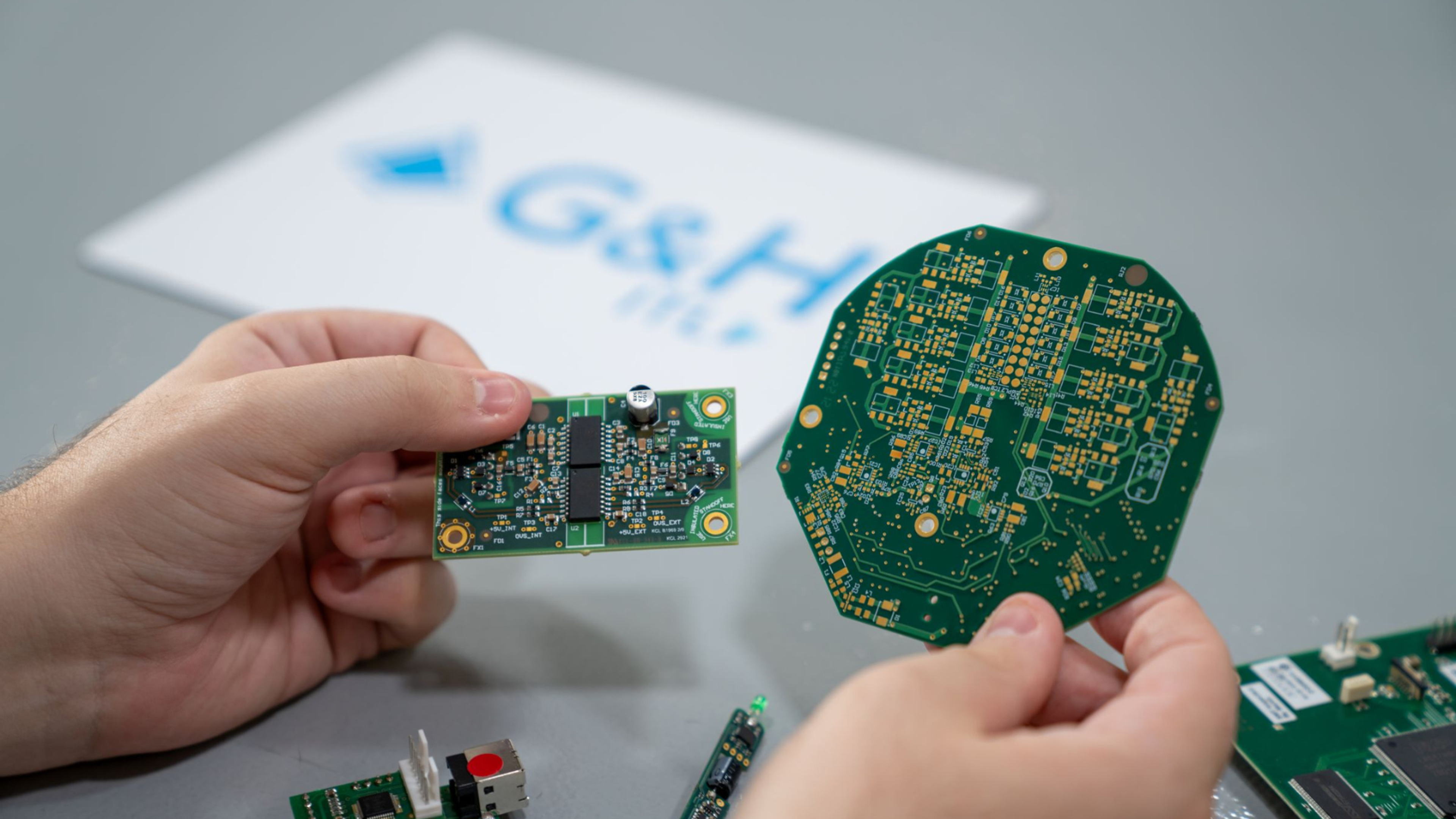
 ©️ G&H vertically integrated manufacturing
As laser-based diagnostics and surgery continue to advance, success depends on more than optical performance alone. Systems must also be manufacturable, reliable, scalable and compliant with applicable medical regulations.
G&H supports medical OEMs and innovators with integrated photonics engineering and manufacturing services across the product lifecycle, from early feasibility studies and design for manufacture to New Product Introduction (NPI), regulated production and long-term lifecycle support.
Early engagement allows optical design decisions to be considered alongside material availability, tolerances, assembly methods, testing requirements and production scalability. This can reduce development risk and help ensure that a technically successful prototype can be translated into a clinically reliable product.
By combining expertise in acousto-optics, fiber optics, precision optical components, optical assemblies and certified quality systems, G&H helps developers translate laser-based medical innovation into manufacturable and scalable solutions.
In laser medicine, precision is not simply a system feature. It must be engineered into every component, validated throughout production and sustained over the full life of the medical device.