
Skip to Content
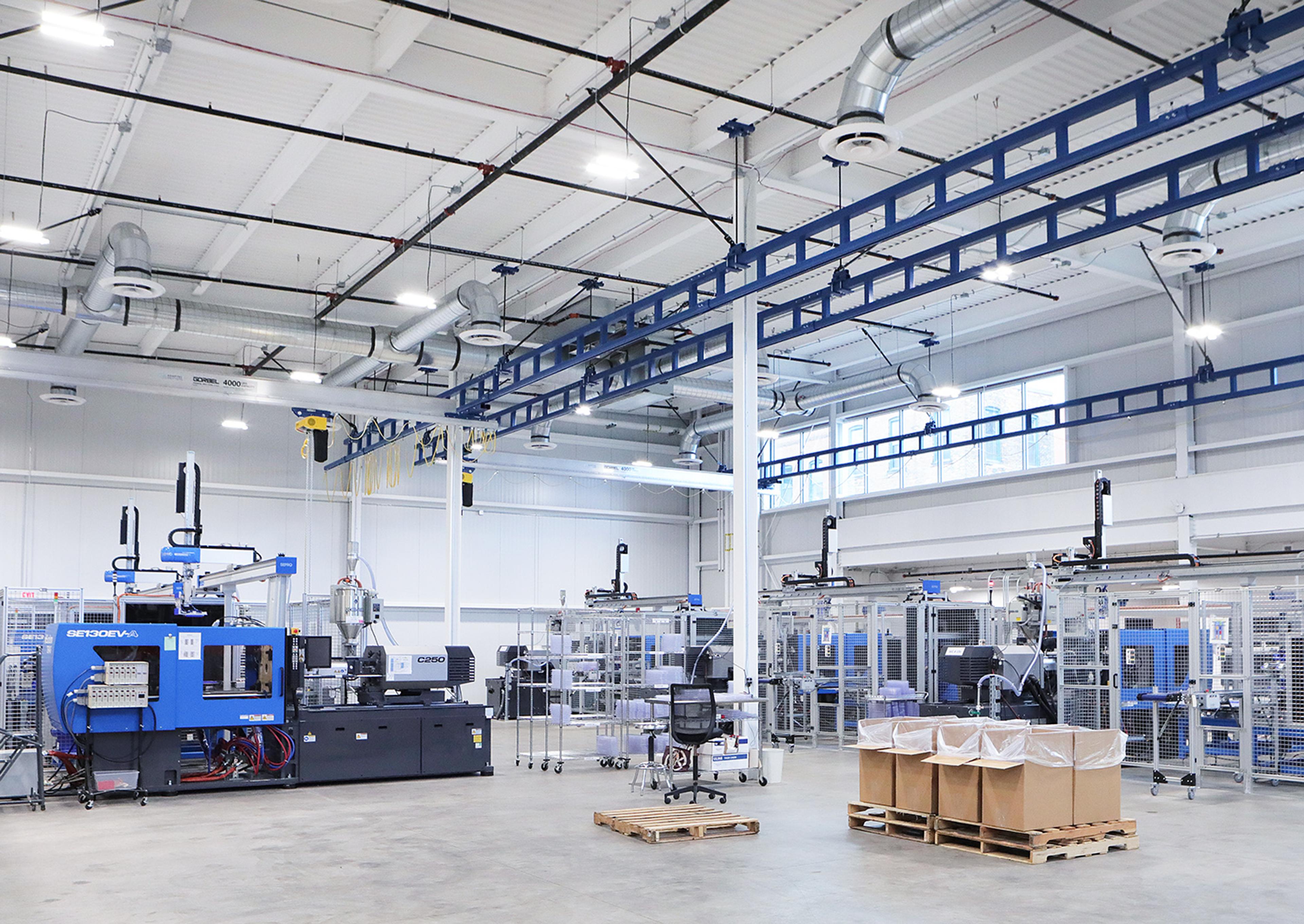
Inside our Rochester site, spacious and well-lit modern manufacturing facility featuring a series of injection molding machines and robotic automation systems. The high-ceilinged room includes visible ductwork, bright overhead lighting, and organized workstations. Large cardboard bins on pallets and a few office chairs are positioned on the clean concrete floor, contributing to a streamlined and efficient industrial environment©️ G&H | GS Optics

Scaling Precision Polymer Optics: From Design for Manufacturability to High-Volume Production

Technical

As demand grows for high-performance optical components across industrial, aerospace & defense, and life sciences applications, the challenge for OEMs is not simply designing an optical component - it’s manufacturing it at scale without compromising performance.

For polymer optics, this challenge is particularly acute. Optical performance is highly sensitive to geometry, surface quality, material behavior, and environmental conditions. A design that performs well in theory - or even in early prototypes - can quickly encounter cost, yield, or quality issues if manufacturability is not considered from the outset.

This is where design for manufacturability (DFM) becomes critical.

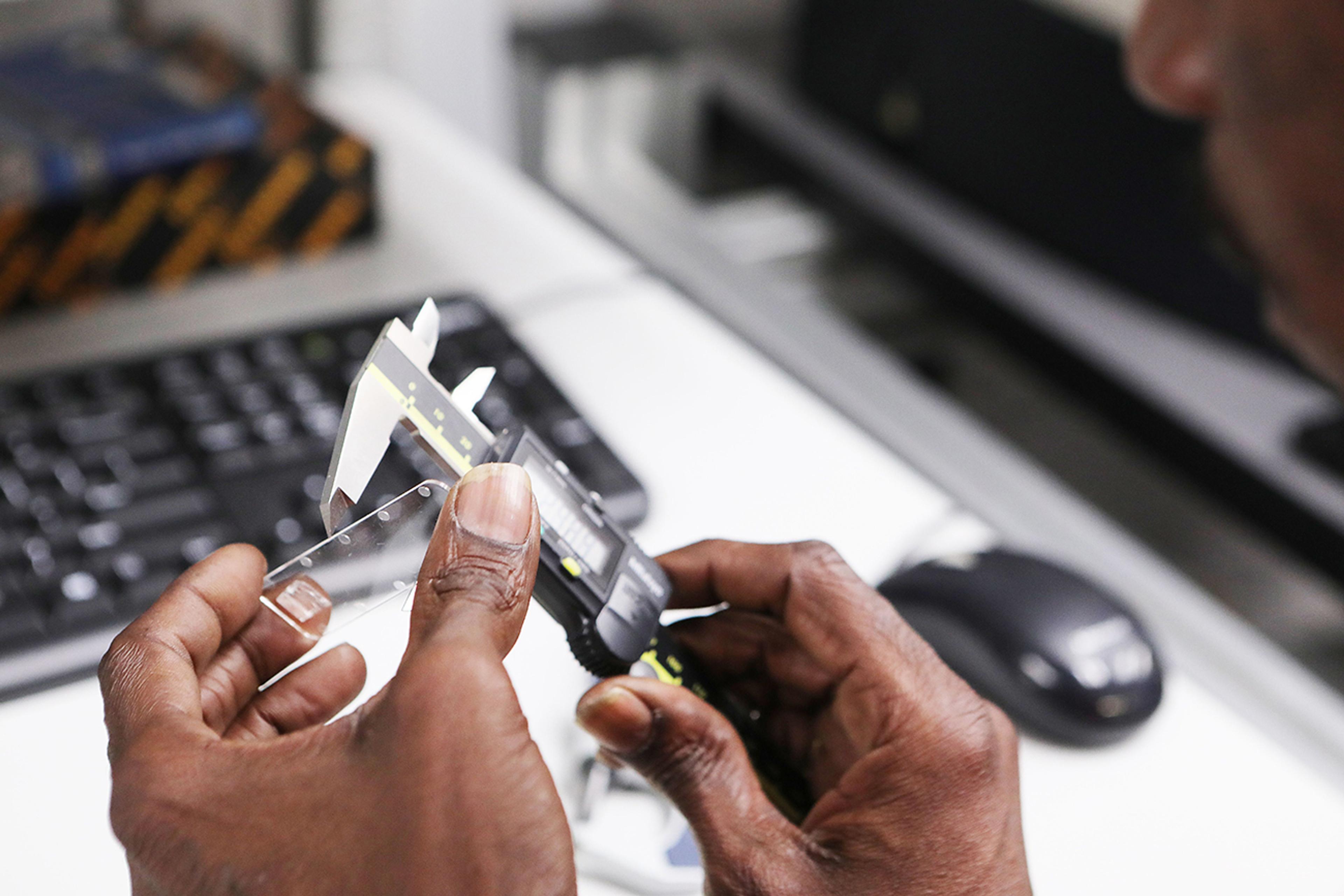
Close-up of a person using digital calipers to measure a small transparent rectangular consumable component, a polymer optic, made of plastic. The person is working at a desk with a keyboard and computer mouse visible in the background, suggesting a precision measurement or quality control task in a lab or manufacturing environment©️ G&H | GS Optics

Designing for Manufacturability from Day One

At G&H | GS Optics, DFM is not a downstream check - it is a foundational step in the manufacturing of every optical component.

From the earliest stages of engagement, engineering teams work closely with customers to:

  • Understand the application and performance requirements
  • Evaluate tolerances and material selection
  • Identify manufacturing risks early
  • Establish quality metrics and validation strategies

Using advanced modeling and simulation tools - including SolidWorks, mold flow analysis and optical coating design software - design optimizations are suggested not just for performance, but for repeatable, cost-effective production.

This early collaboration helps avoid a common industry pitfall: designs that are theoretically sound but difficult, expensive, or inconsistent to manufacture at scale.

The result is a component that is not only functional - but manufacturable, scalable, and reliable.

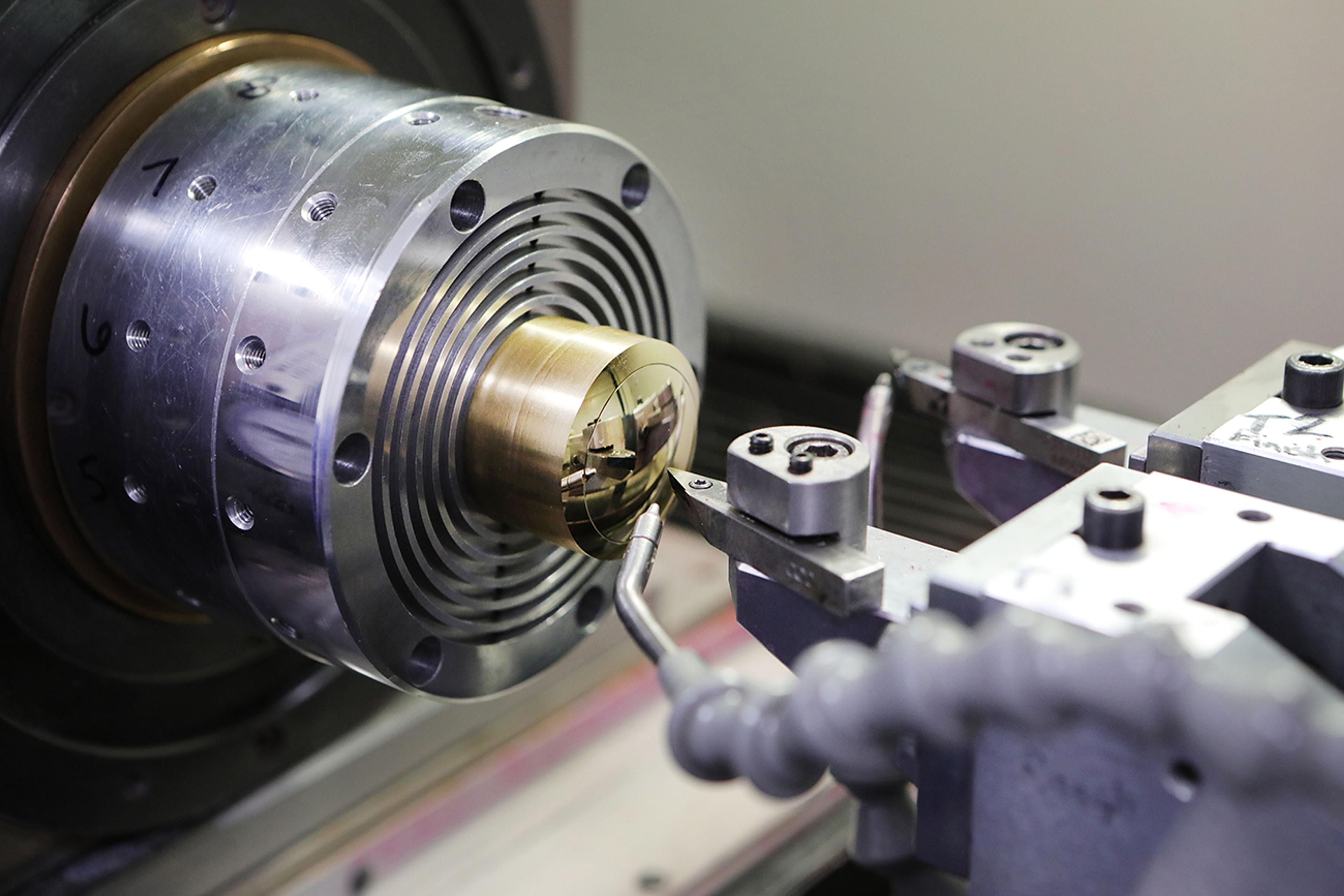
High Speed diamond turning - Close-up view of a precision metal lathe in operation, machining a reflective, gold-colored cylindrical component. The machine's cutting tool is positioned against the spinning workpiece, which is secured in a rotating chuck. The environment appears to be a high-precision manufacturing or engineering facility©️ G&H | GS Optics diamond turning

Bridging Prototype to Production

One of the most critical transitions in any program is moving from prototype to production.

G&H supports this through a combination of diamond turning and injection molding expertise:

Diamond turning enables rapid prototyping of spherical, aspheric, and freeform optics with high surface quality, without the need for post-polishing

Injection-molded prototypes, produced using production-intent materials and processes, allow for realistic performance testing and risk reduction

Customizable cavity sets and insert capabilities enable prototype parts to be produced in as little as five weeks, depending on complexity - helping customers validate designs quickly while minimizing downstream surprises.

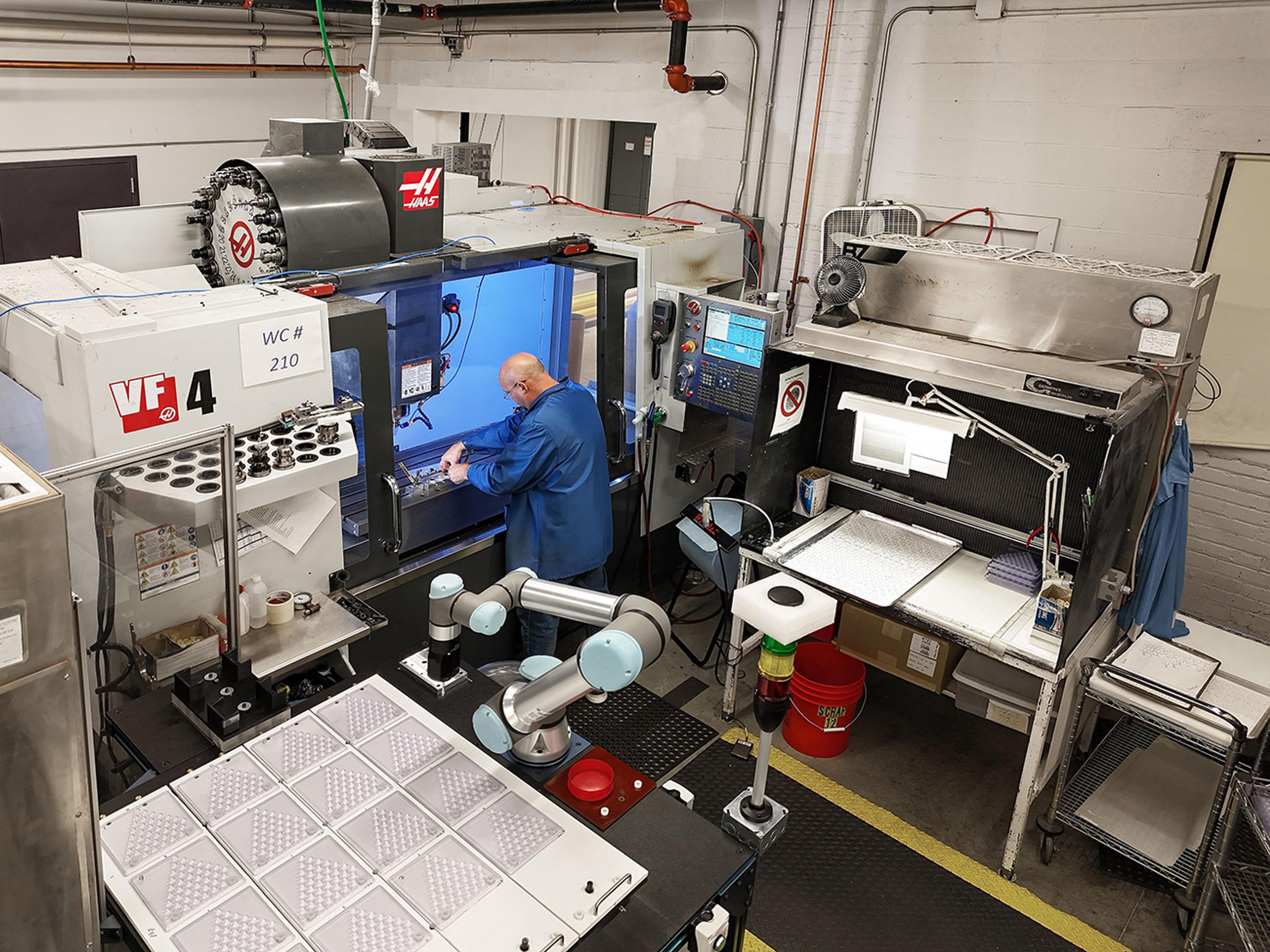
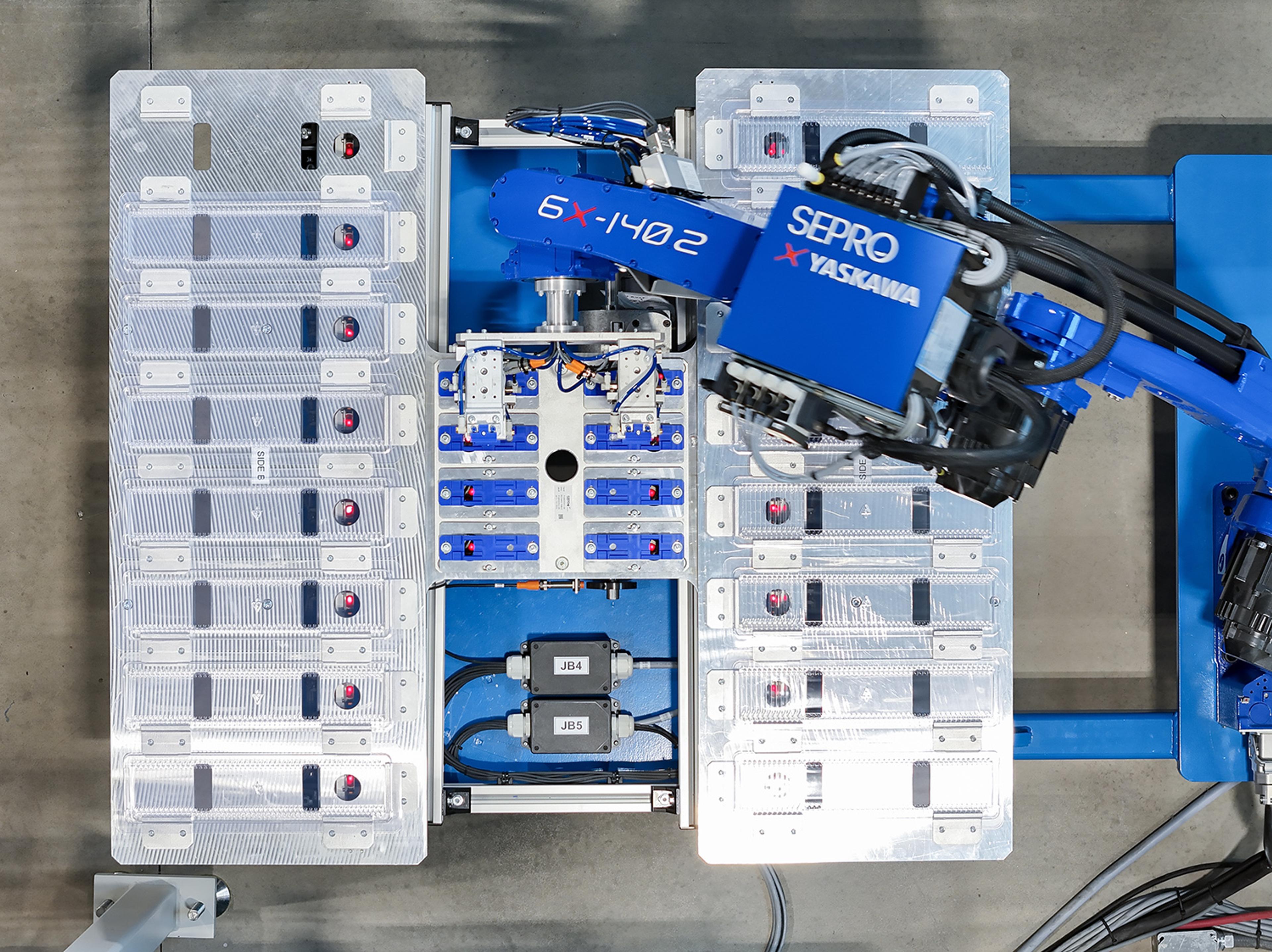
Overhead view of a blue robotic arm reaching across rows of clear trays at a G&H | GS Optics polymer optics workstation.©️ G&H | GS Optics

Expanding Capacity for High-Volume Production

To support increasing demand and program scale-up, G&H has recently expanded its injection molding capability at its Rochester site with the addition of three new automated work centers.

These systems enhance the site’s ability to deliver:

  • Higher throughput for medium-to-high volume programs
  • Greater process repeatability and stability
  • Reduced variability through integrated automation
  • Improved material consistency through controlled drying systems

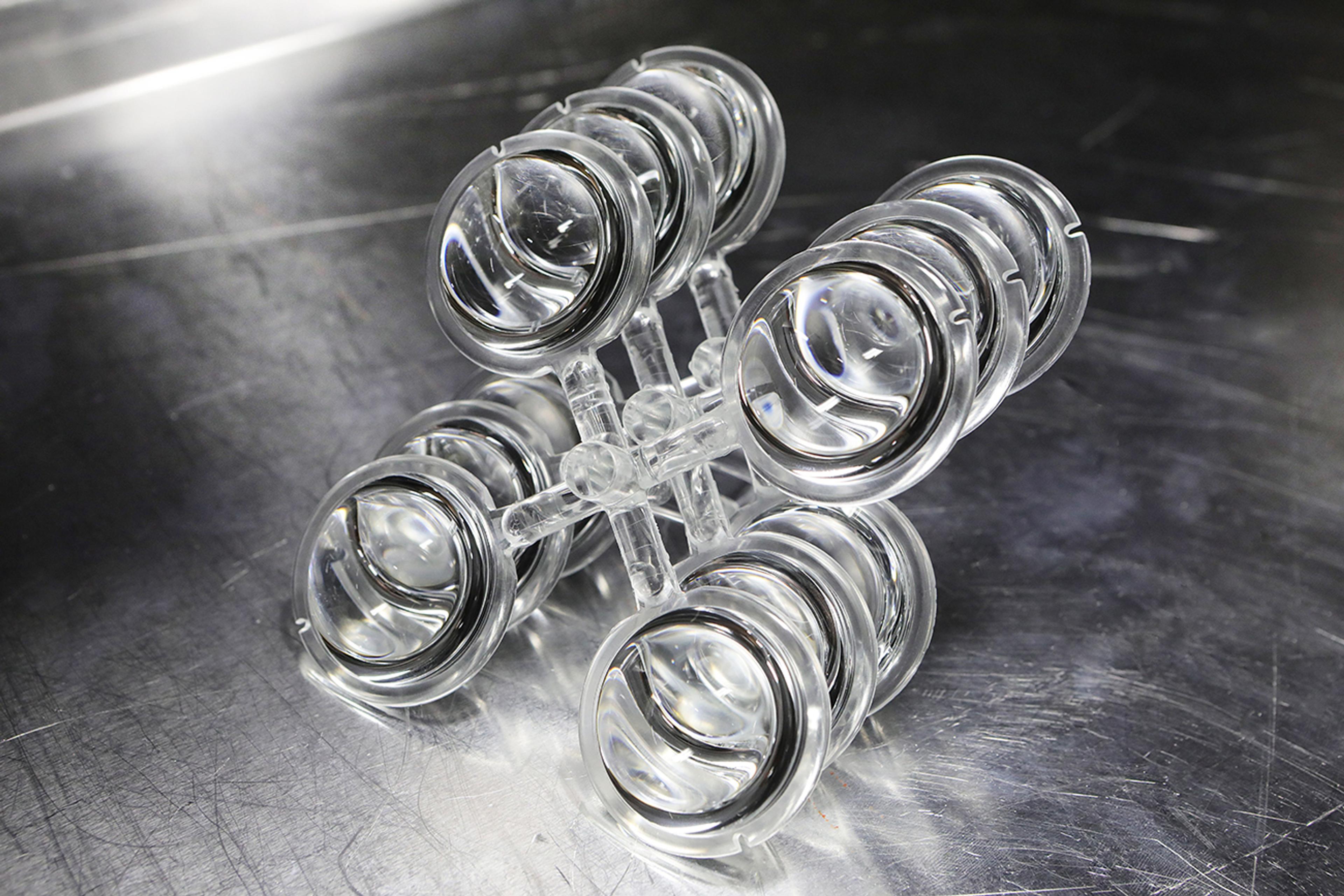
With molding press capacities ranging from 20 to 200 tons and part sizes from 2.5 mm to 150 mm, the Rochester facility is equipped to support programs from thousands to millions of parts per year.

Importantly, this expansion is not simply about adding capacity - it is about scaling controlled manufacturing. Automation can be customized to maximize efficiency while minimizing handling risk, ensuring that precision is maintained across every production cycle.

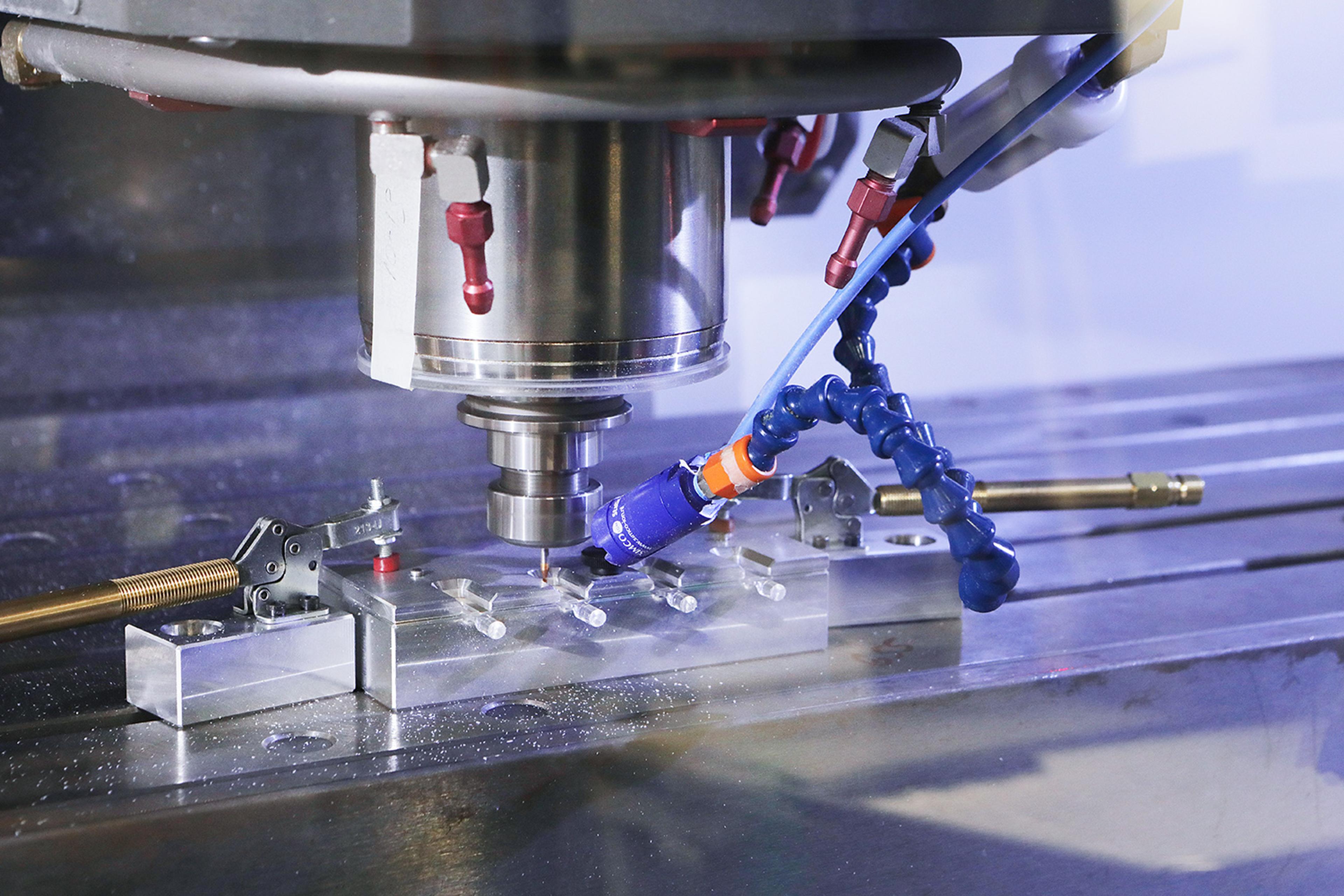
Close-up of a milling tool machining a clear polymer component held in a metal fixture at G&H | GS Optics.©️ G&H | GS Optics

Material, Coating, and Process Integration

Polymer optics performance is influenced by more than just geometry. Material selection, coating design, and environmental durability all play a role in system-level success.

G&H offers extensive experience across optical polymers, including:

  • Acrylic
  • Polystyrene
  • Polycarbonate
  • Polyester
  • Cyclo olefin polymers (COP) such as Zeonex® and Zeonor®

In-house thin film coating capabilities further extend performance, with options including:

  • Anti-reflective (AR) coatings for improved transmission and reduced glare
  • High-reflective (HR) coatings for mirror applications

These coatings are applied using advanced deposition techniques to ensure uniformity, durability, and consistency across production volumes.

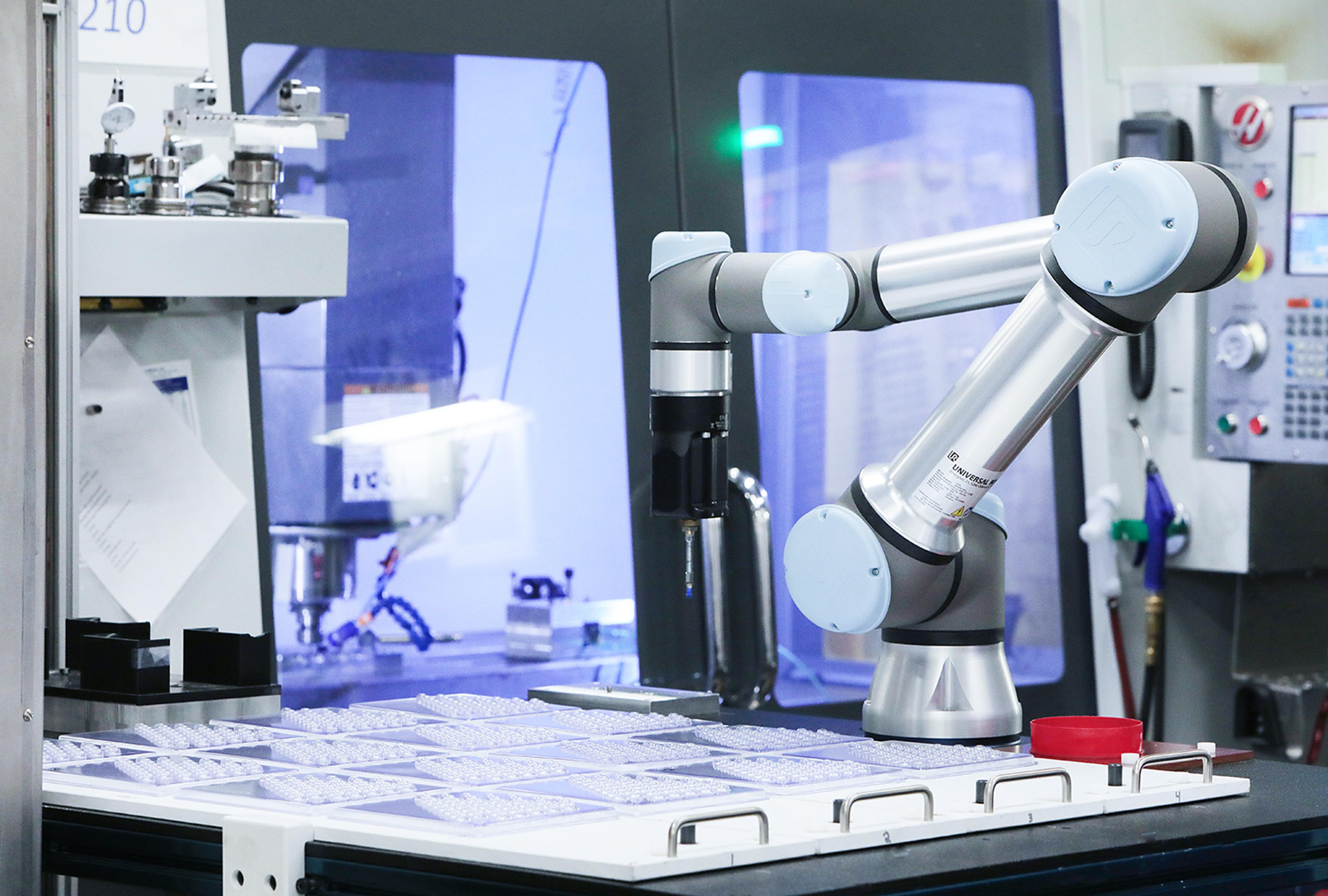
A silver robotic arm extends over trays of clear polymer optics beside an enclosed machining center at G&H | GS Optics.©️ G&H | GS Optics

Precision That Scales

Maintaining optical performance at scale requires tight control over key manufacturing parameters.

G&H | GS Optics routinely achieves precision standards including:

  • Tight control of surface accuracy
  • Low surface roughness
  • Low surface imperfections (scratch/dig performance)
  • Consistent dimensional accuracy

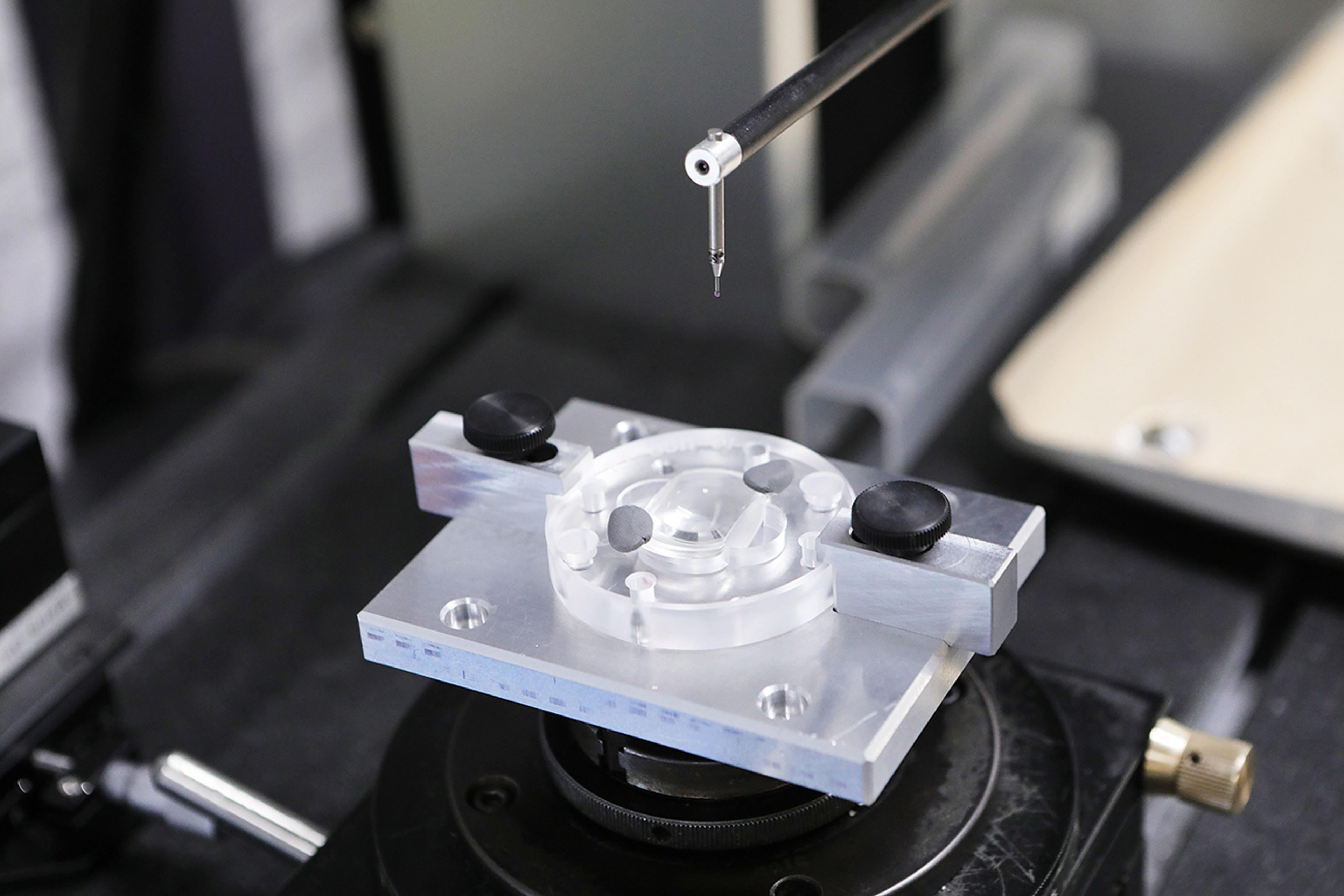
These capabilities ensure that components produced at volume match the performance of those validated during development - reducing the need for downstream correction or calibration.

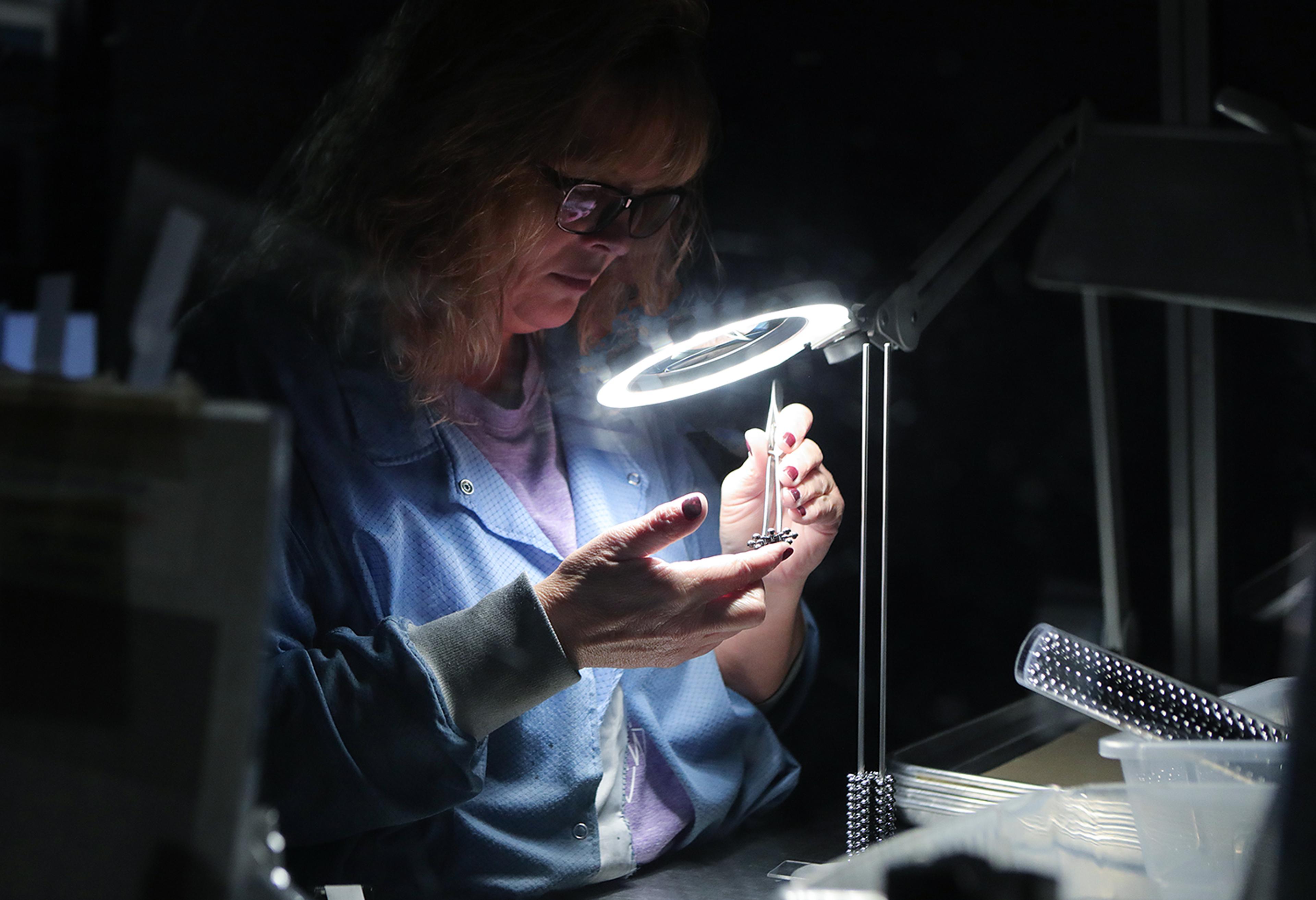
A G&H | GS Optics technician uses tweezers to examine a small optical component beneath an illuminated magnifier.©️ G&H | GS Optics

From Concept to Production - Without Compromise

G&H’s strength lies not in any single capability, but in the integration of design, prototyping, molding, coating, metrology, and assembly into a unified manufacturing approach.

This end-to-end model enables:

  • Faster time to market
  • Reduced development and production risk
  • Improved cost efficiency at scale
  • Greater confidence in long-term supply and performance

As programs grow from concept to full-scale production, this integration becomes increasingly important.

Because in precision polymer optics, success is not defined by producing one perfect part - it is defined by producing millions of identical ones.

If you are developing or scaling a program that relies on precision polymer optics, our team would welcome a conversation.

Lets talk about your polymer optic programs
Contact us
Products

G&H Polymer Optics

G&H manufactures custom precision polymer optical components.

G&H | GS Optics Polymer Capabilities

Product Enquiry

So we can better understand your requirements, please complete the product enquiry form below.