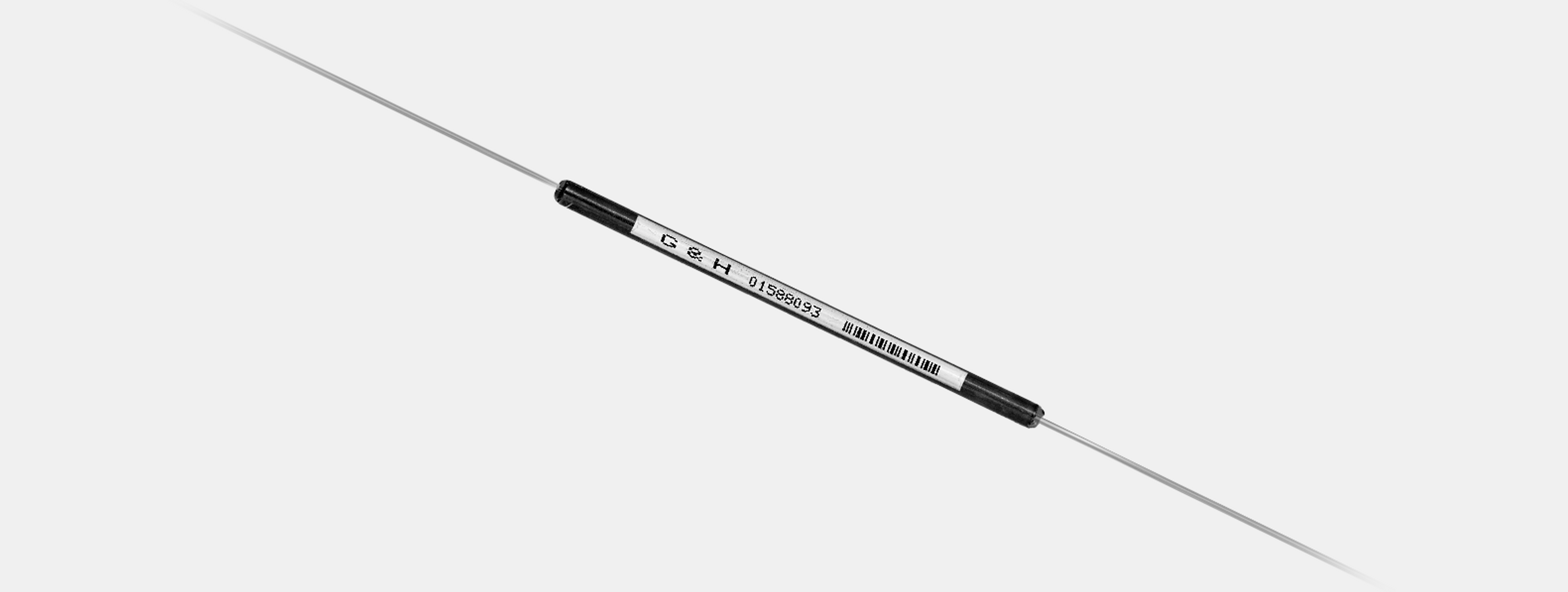
High Reliability PM Fused Fiber Coupler
For PM splitting and monitoring signals in the wavelength range of 915–1600 nm in harsh environments such as subsea and space, where the costs of component replacement are prohibitive.
A fused fiber coupler may be physically small, but its performance can influence an entire photonic system. For OEMs working in optical coherence tomography (OCT), subsea communications, space or precision metrology, the harder question is often not how to source a coupler, but how to translate a set of optical components into a compact, reliable and manufacturable module.
That transition changes the engineering problem. Coupling ratio, insertion loss, bandwidth and polarization performance still matter, but they must now be considered alongside fiber routing, thermal behavior, mechanical loading, electronic control, qualification and production repeatability. A component can meet its datasheet specification and still fail to deliver the intended system outcome if those interactions are addressed too late.
The most effective route to integration therefore begins with the application and its operating environment. The architecture, component selection, packaging and validation plan can then be developed as one connected design rather than as a sequence of isolated purchasing decisions.
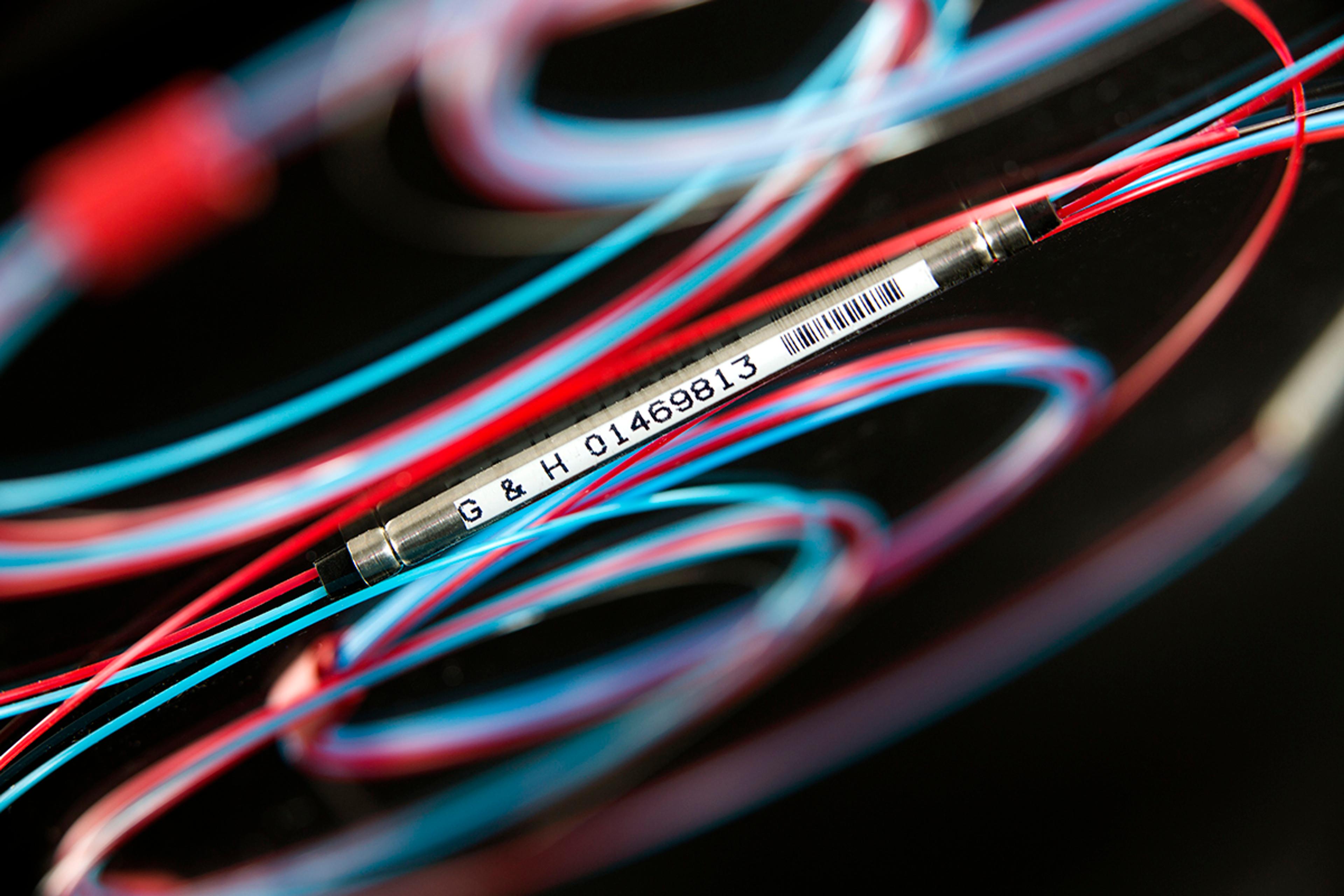
A fused fiber coupler distributes optical power between fibers. During manufacture, selected fibers are brought together, heated and drawn so that light can transfer between their cores across a controlled tapered region. The geometry of that region and the conditions used to create it determine important optical characteristics, including coupling ratio, excess loss, wavelength response and polarization behavior.
The same underlying process supports several functions. A tap coupler can divert a small portion of the signal for monitoring. Wavelength-division multiplexing (WDM) uses different wavelengths of light to carry multiple signals through a single optical fiber; a WDM coupler combines or separates those wavelengths. A multiport device can split, combine or route light, while an N plus 1 by 1 combiner can bring several pump inputs into a single output for a high-power fiber laser or amplifier.
Selecting the nominal function is only the beginning. An OCT interferometer may need broad and stable spectral performance so that the coupler does not constrain image quality. A polarization-sensitive metrology system may depend on a well-controlled polarization extinction ratio. A long-life communications system may place exceptional weight on low loss and long-term reliability. The correct specification is therefore inseparable from the job the coupler performs in the wider optical path.
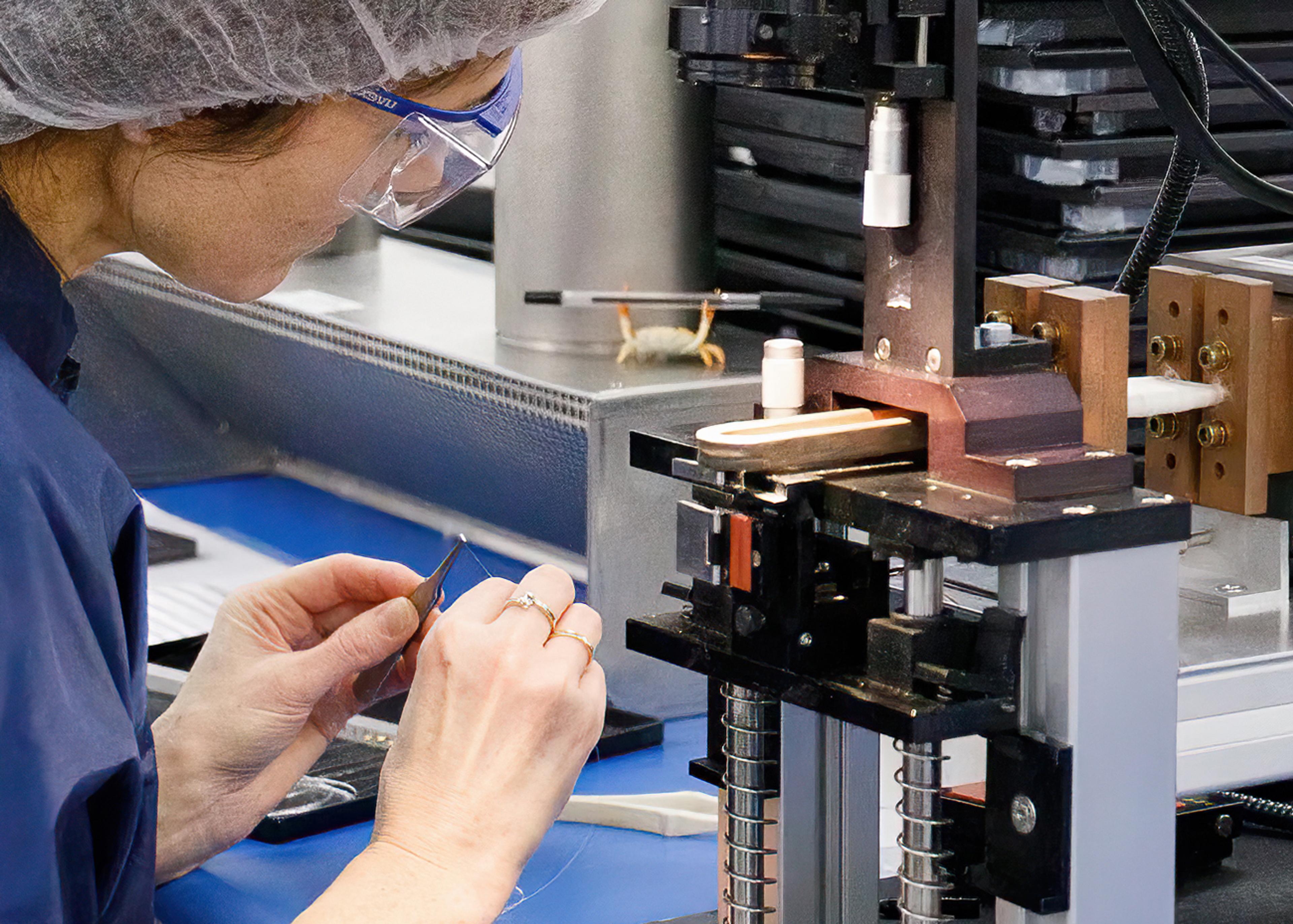
Two couplers can show similar initial optical performance while differing significantly in long-term robustness. The thermal profile and duration of the fusion process affect taper strength and resistance to moisture. Achieving the required optical response is not enough if the process leaves the tapered region vulnerable to fracture or degradation over time.
This is why controlled fabrication matters. G&H uses proprietary process controls to manage the thermal and mechanical conditions during fusion, supported by in-process monitoring of critical parameters and optical performance. This controlled approach helps produce the required taper geometry and optical response while supporting repeatable strength and environmental resistance. The detailed process remains proprietary, but the outcome is a better-understood and more consistent component for demanding applications.
For demanding applications, those controls become part of the product value. They provide the foundation for consistent manufacturing, but they also give module designers a better-understood component around which to develop the rest of the system.
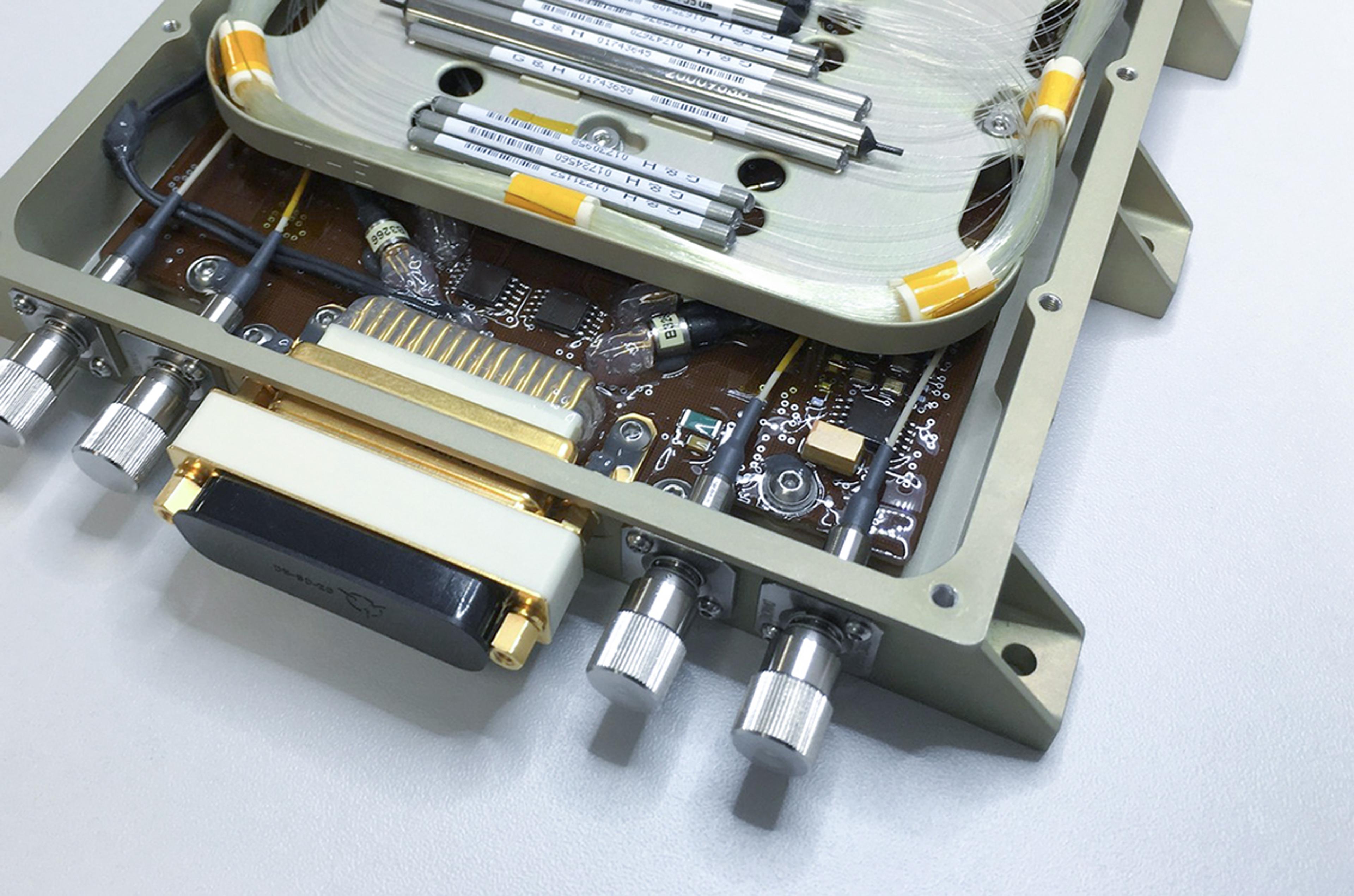
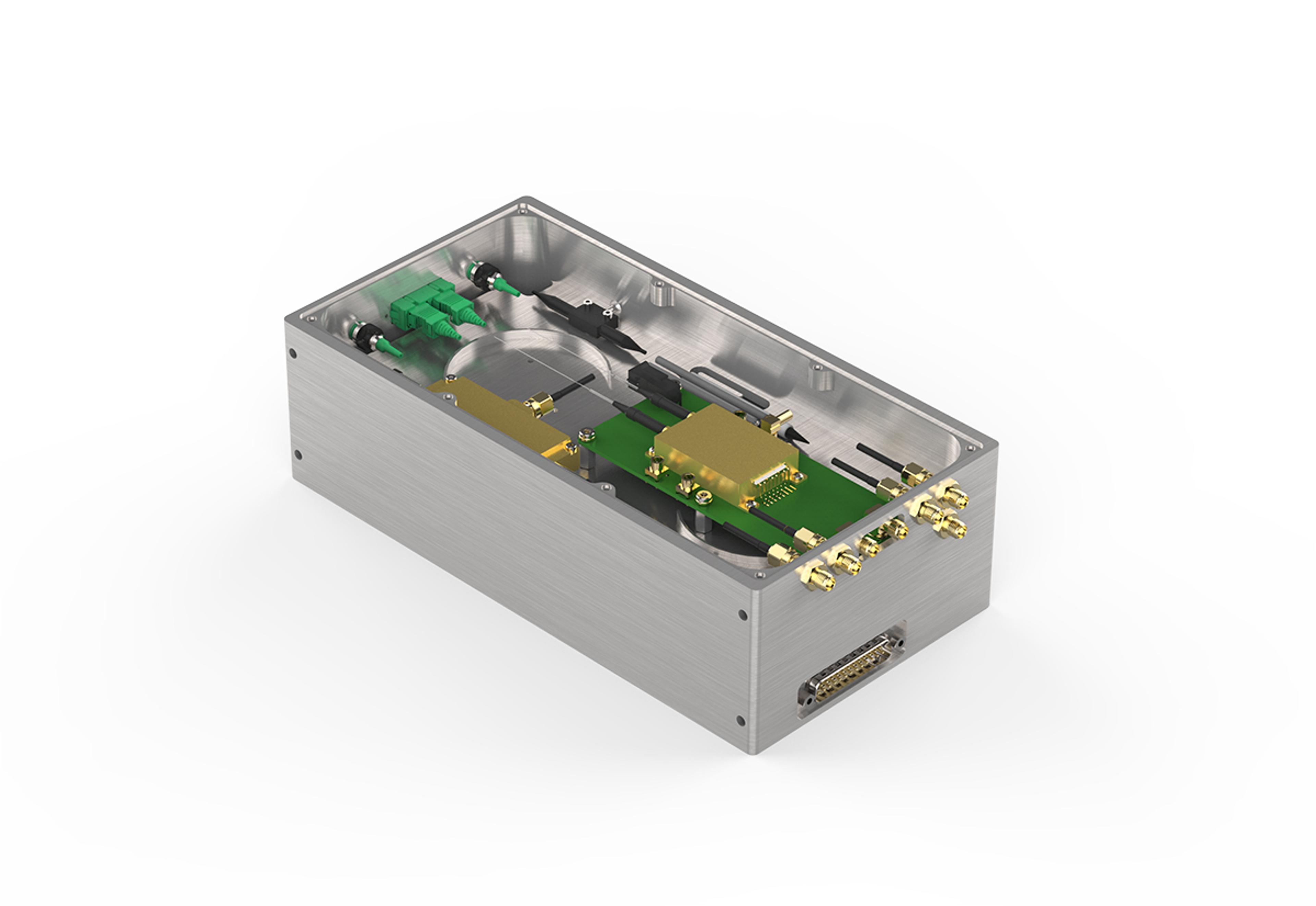
Once couplers are combined with sources, amplifiers, isolators, collimators, modulators, detectors or control electronics, the design space expands quickly. Fiber bend radius and routing affect loss and package size. Heat generated by active components can influence neighboring optics. Mechanical restraints that protect fibers during vibration can also introduce stress. Interfaces must remain accessible enough to manufacture and test the assembly repeatedly.
These are coupled decisions. Reducing package volume may make thermal management or fiber routing more difficult. Increasing optical power may require different fibers, splices, coatings or heat-transfer paths. A qualification requirement can influence materials and mounting choices before the mechanical layout is fixed. Treating the module as a system makes these conflicts visible while there is still time to resolve them.
Optical coherence tomography
In OCT, a fiber coupler divides light between a sample path and a reference path, then supports recombination so that the interference signal can be measured. Because the system uses that interference to resolve optical path differences, the behaviour of the coupler network directly affects the usable signal. Wavelength range, coupling ratio, loss and fiber type must be selected for the source and imaging architecture rather than treated as generic catalogue choices. G&H can tailor fused fiber couplers to custom operating wavelengths and coupling requirements, allowing the component to be designed around the OCT system rather than forcing the system around a standard device.
Subsea optical communications
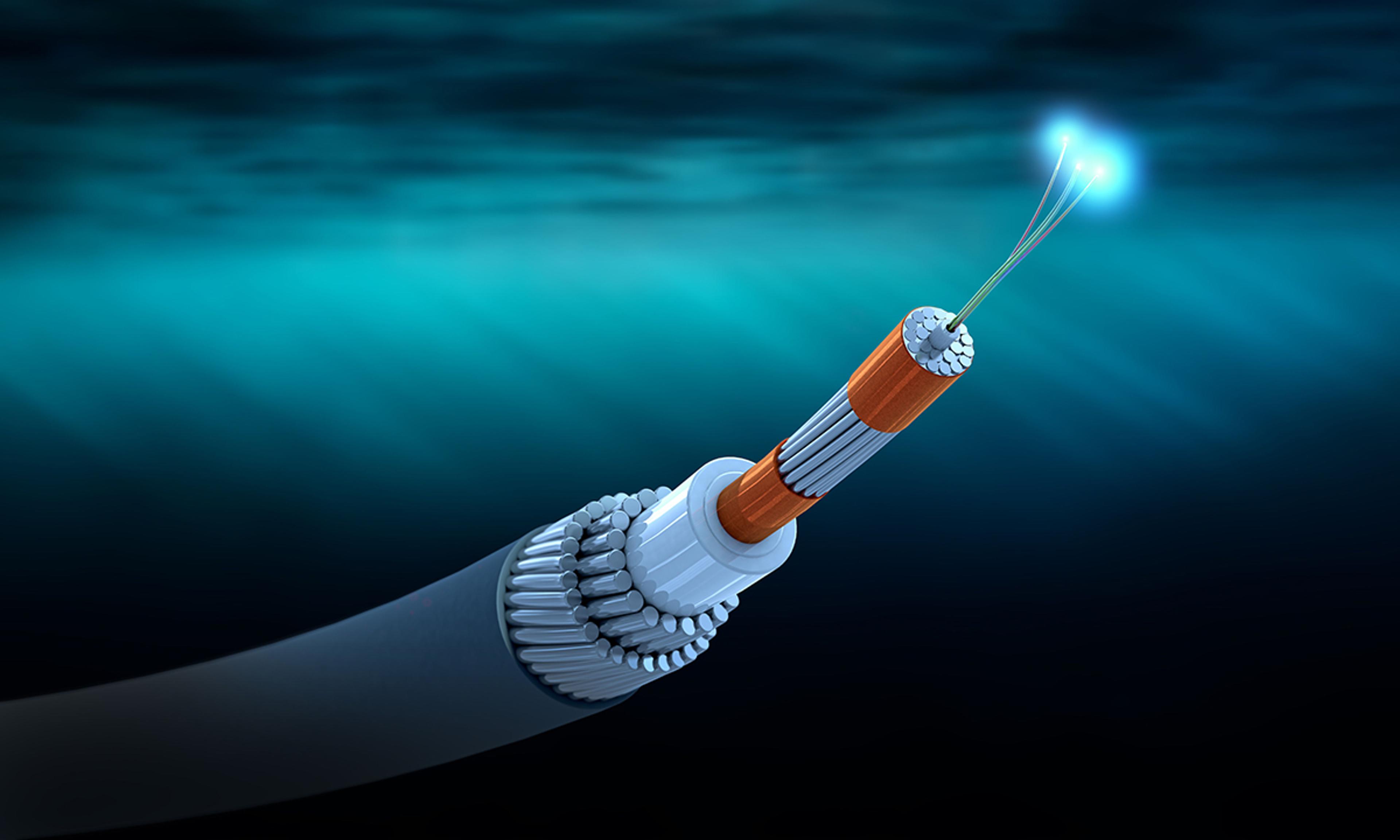
Long-haul subsea links periodically amplify signals using erbium-doped fiber amplifiers. Within an amplifier, WDM couplers can introduce pump light, while tap couplers can monitor power before and after amplification. Repair is exceptionally difficult and expensive once equipment is deployed, so low loss, robust fiber management and process screening carry system-level commercial value: they protect link margin and reduce exposure to failure over an extended service life. G&H HI-REL fused fiber couplers achieve a reliability rate of 0.1 FIT, with zero reported field failures, providing evidence for applications in which replacement is impractical.
Space photonics
Space adds radiation, vacuum, shock, vibration and thermal cycling to the optical requirements. Qualification cannot be bolted onto a completed design. Optical, thermal and mechanical analysis must inform the module architecture, and screening may be required during production as well as during initial qualification. Modeling heat sources and structural behavior early allows the package to be adjusted before a local hot spot or mechanical weakness becomes a test failure.
One example is G&H’s development of an optical fiber amplifier module for the Japan Aerospace Exploration Agency’s Laser Utilizing Communication System, or LUCAS. The system uses optical links to relay data between spacecraft in low Earth orbit and an optical data-relay satellite in geostationary orbit, extending the opportunity to transfer high-volume observation data to the ground. The program illustrates why amplification, thermal management, packaging and qualification must be engineered together for a long-distance space link.

Semiconductor and microelectronics metrology
Semiconductor manufacturing equipment depends on precise, stable measurement. Polarization-maintaining couplers can form part of interferometric systems used to monitor position or process conditions, where poor polarization control or contamination can compromise measurement integrity. Here, the module challenge includes not only optical performance but also clean assembly, short-wavelength operation where required, controlled fiber routing and manufacturing repeatability.
A productive module discussion starts with the operating problem, not a component list. OEM teams should define the optical function and performance budget, but also the environmental profile, expected service life, space and power constraints, production volumes, traceability needs and qualification standard. Interfaces with the rest of the instrument should be clear, including what will be monitored or controlled electronically and where responsibility for system verification sits.
This requirements-led approach supports two valid development routes. Where an OEM owns a mature design, a build-to-print partner must reproduce it with disciplined process control, traceability and testing. Where the architecture is still evolving, a design-and-manufacture partner can use optical, thermal and mechanical analysis to develop the module and then carry the same design intent into qualification and production.

The commercial case for integration is not simply fewer suppliers. It is the ability to manage interactions across the optical path, package and manufacturing process. A partner with access to fused fiber components, active and passive photonics, free-space optics, electronics, modeling, environmental testing and skilled fiber assembly can make trade-offs at module level instead of optimizing each element independently.
For OEMs, the outcome can be a shorter route from requirements to a qualified, repeatable assembly; clearer accountability for performance; and less internal effort spent coordinating component interfaces. The coupler remains fundamental, but it becomes part of a larger engineering solution designed around what the customer’s system must achieve.
So we can better understand your requirements, please complete the product enquiry form below.