New Product Introduction (NPI)
G&H accelerates new product introduction (NPI) for medical devices and life-science instruments - bridging design and manufacturing through validation, risk management, and process excellence.
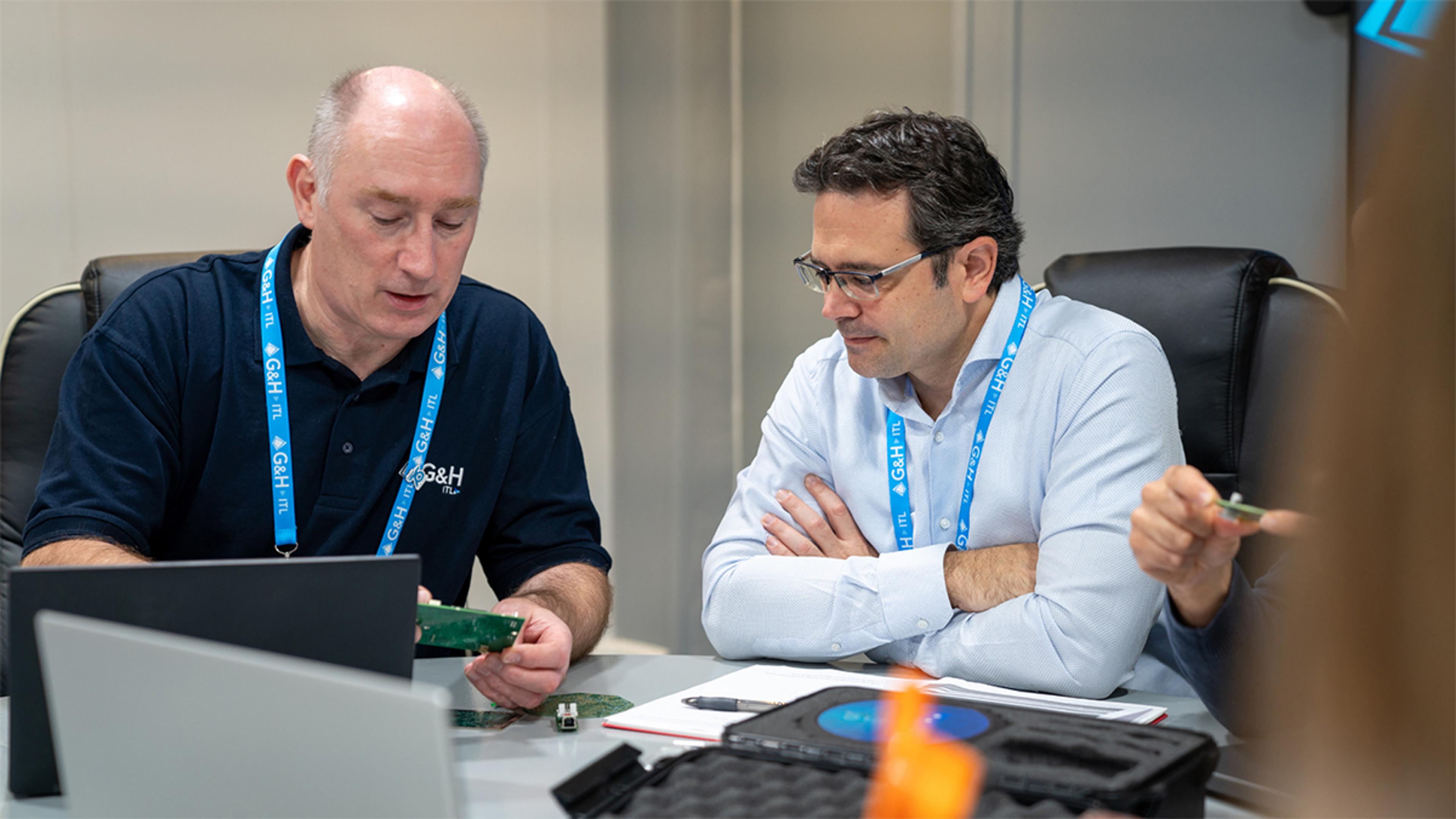
Following the initial pre-manufacturing review, G&H’s engineers carry out Process and Design Improvements to refine both the product and its associated manufacturing workflows.
This phase ensures that every device we produce is not only compliant but also designed for long-term efficiency, cost control, and reproducibility - key to sustaining quality at scale.
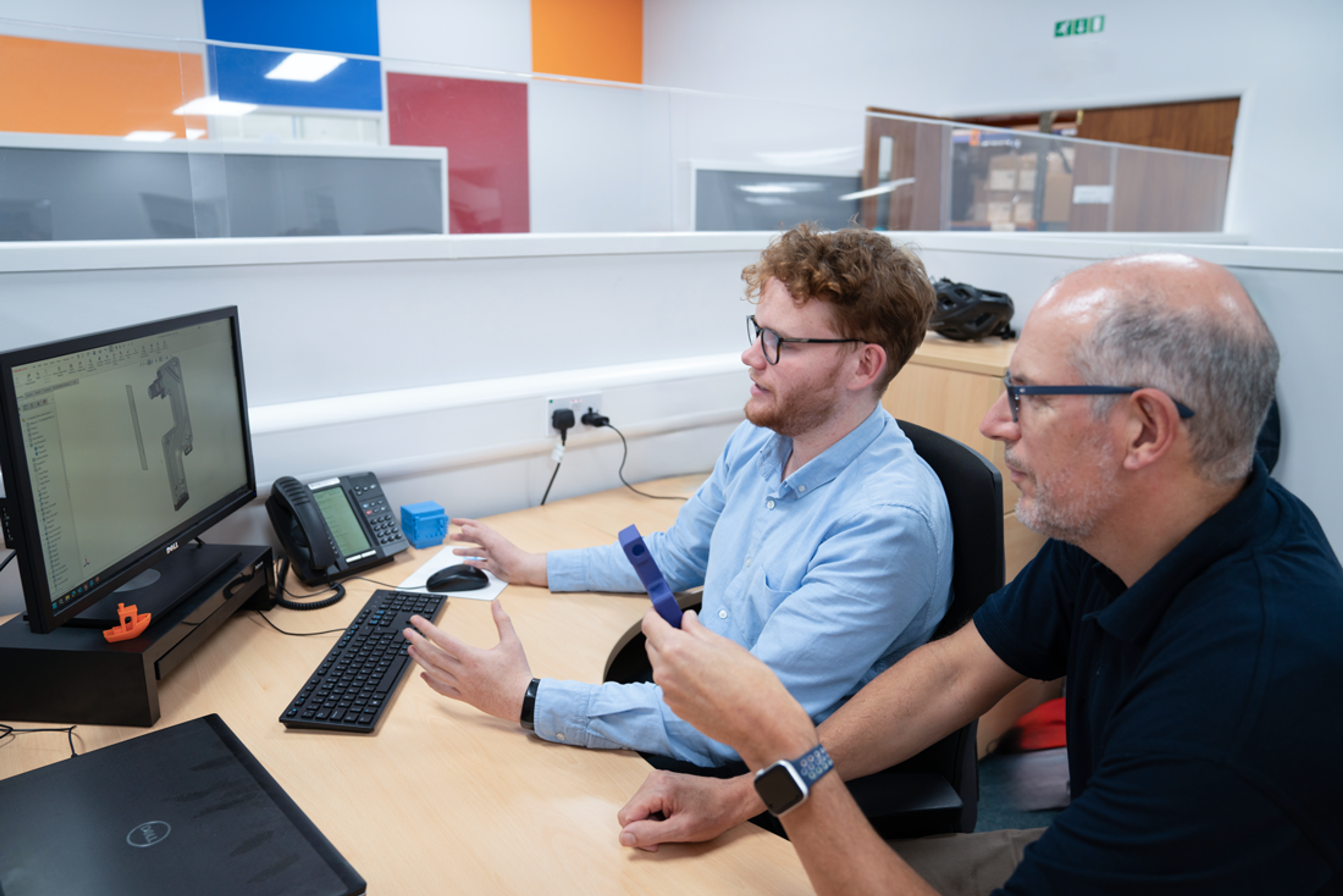
Our improvement process involves a close collaboration between New Product Introduction (NPI), Production Engineering, and R&D teams.
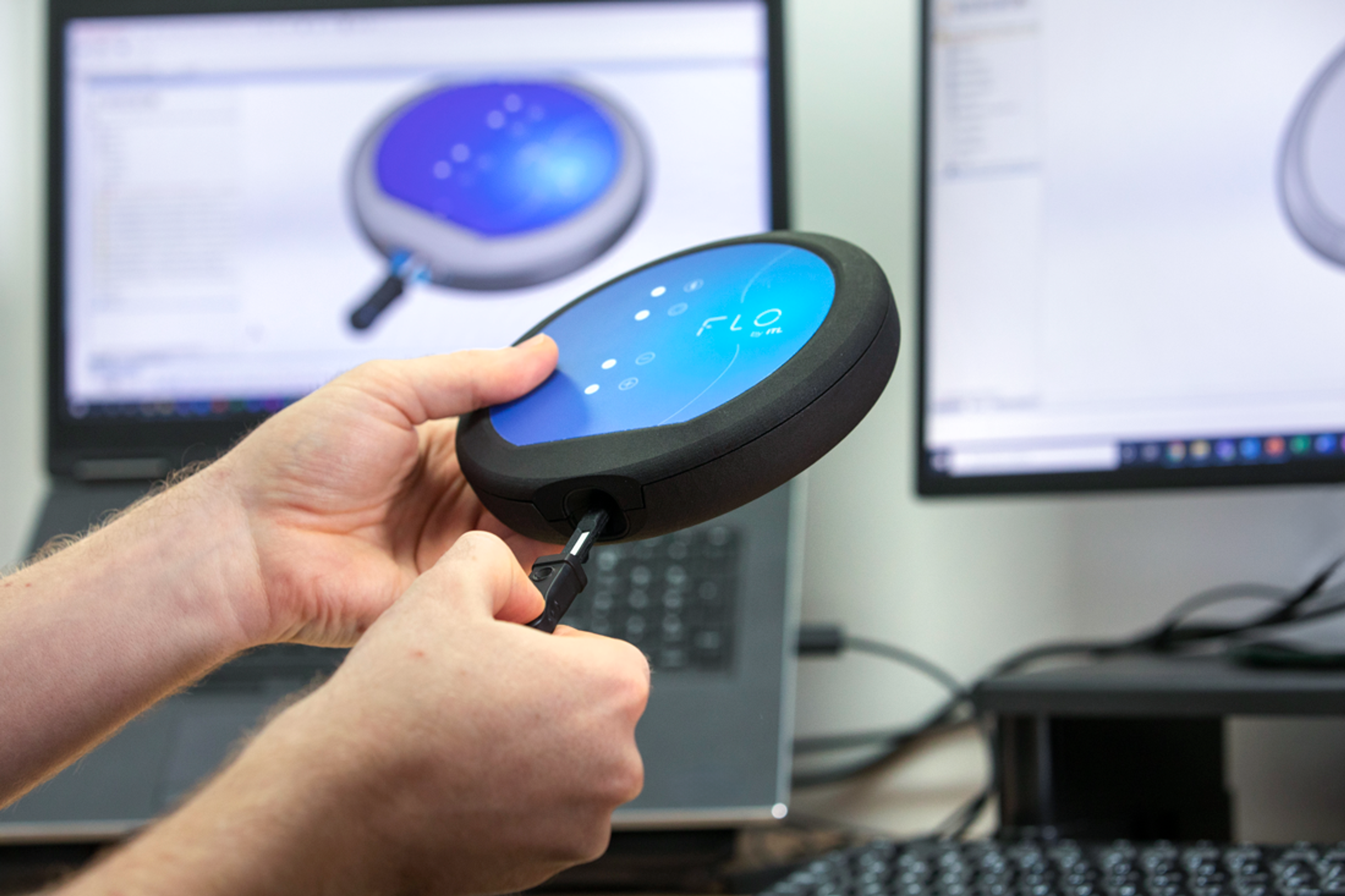
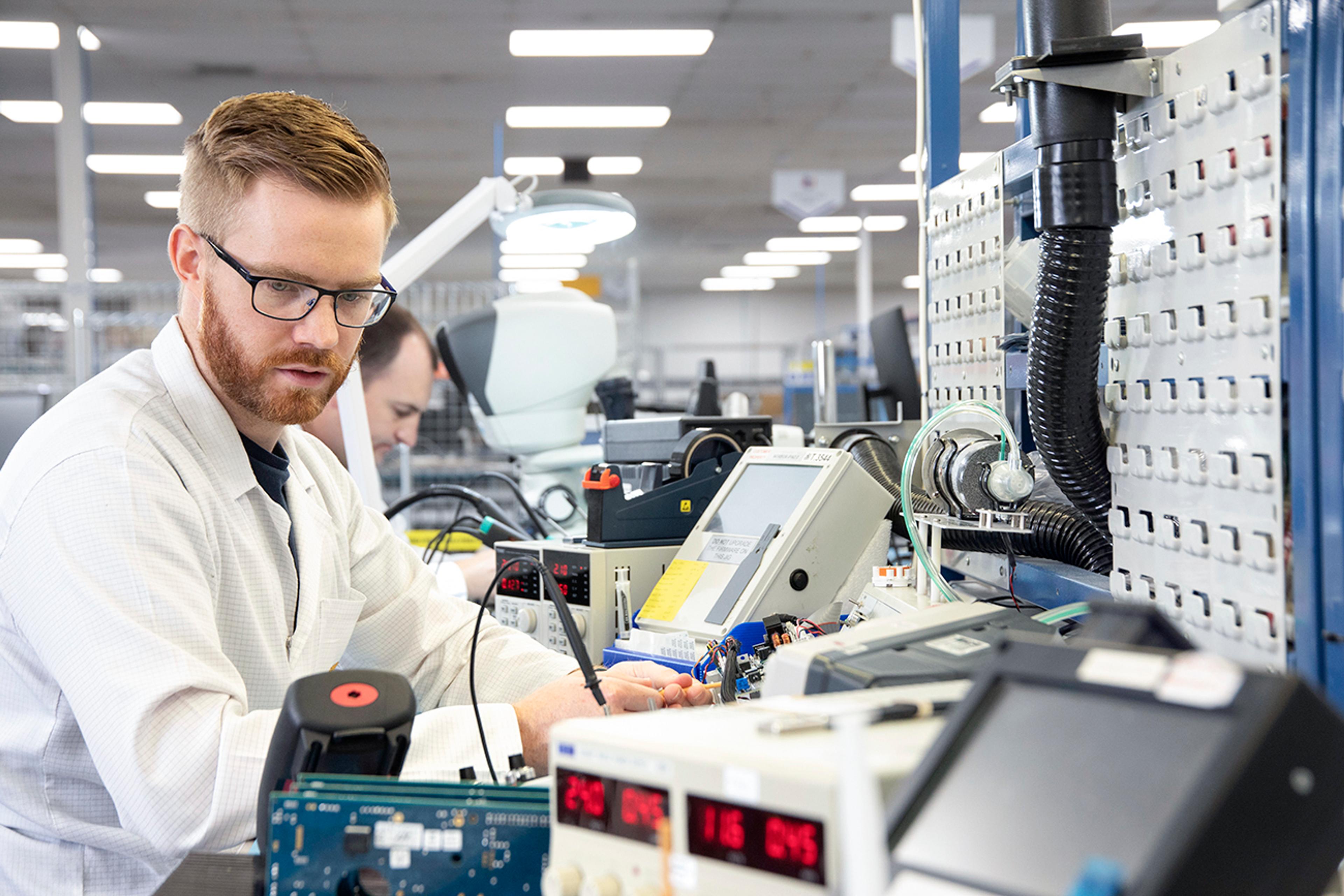
Depending on complexity, the device may undergo a reverse-engineering review, where engineers build or deconstruct the unit to observe assembly behavior, validate documentation, and identify opportunities for refinement. Working alongside the customer’s Subject Matter Experts (Legal Manufacturer), we focus on strengthening manufacturability and reducing risk throughout the build.
Each improvement is documented within the controlled quality system, ensuring traceability and alignment with the validated DMR.
This structured improvement stage allows G&H to deliver higher-performing, lower-risk devices while ensuring that production remains fully compliant and audit-ready.