New Product Introduction (NPI)
G&H accelerates new product introduction (NPI) for medical devices and life-science instruments - bridging design and manufacturing through validation, risk management, and process excellence.
The Verification Manufacture stage is where G&H confirms that a medical device can be manufactured consistently, safely, and in full alignment with its validated design documentation. This phase demonstrates process control and build repeatability - critical prerequisites before entering full validation and commercial manufacture.
By verifying both product and process integrity at this stage, G&H ensures that scale-up occurs with complete confidence in performance, compliance, and quality.
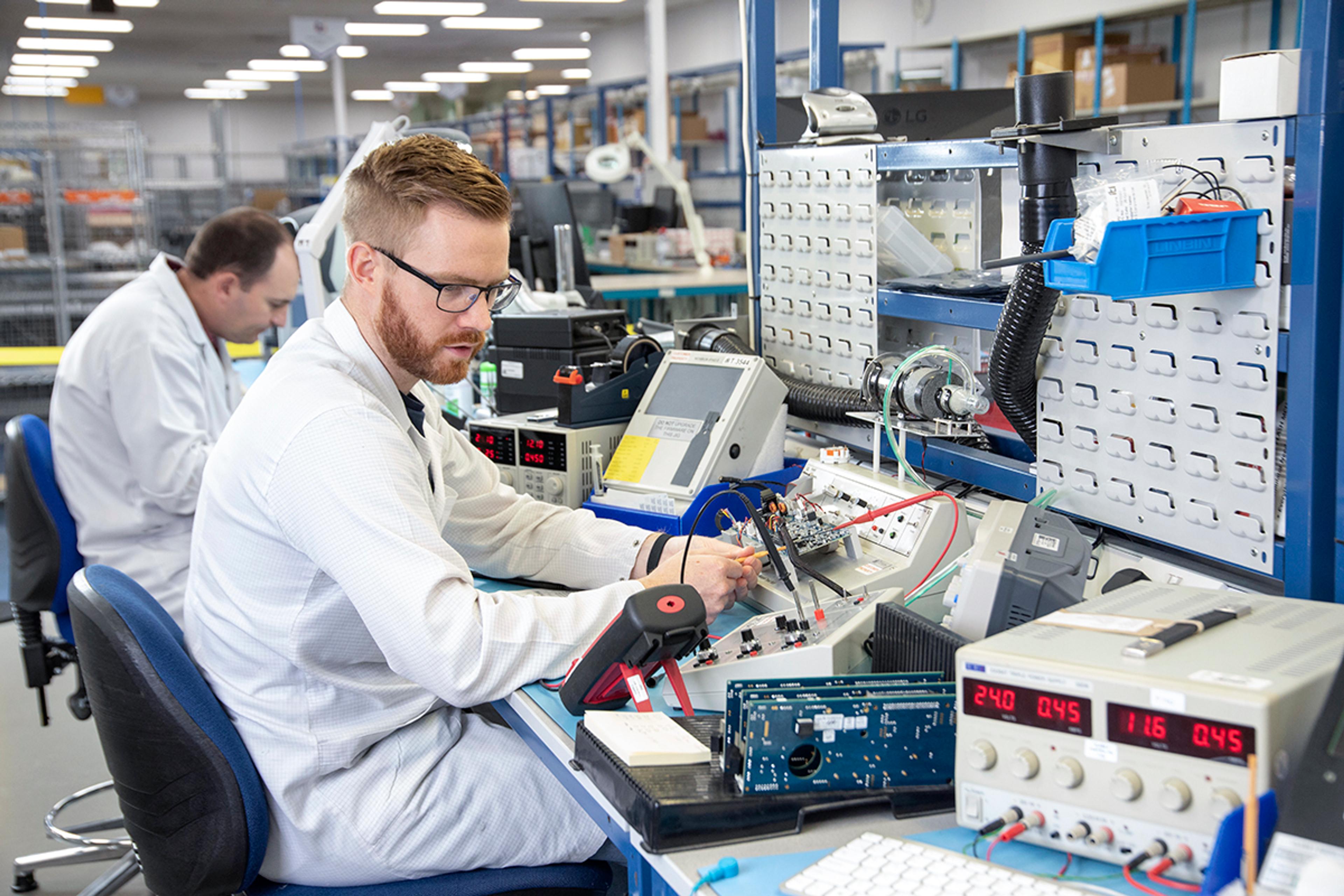
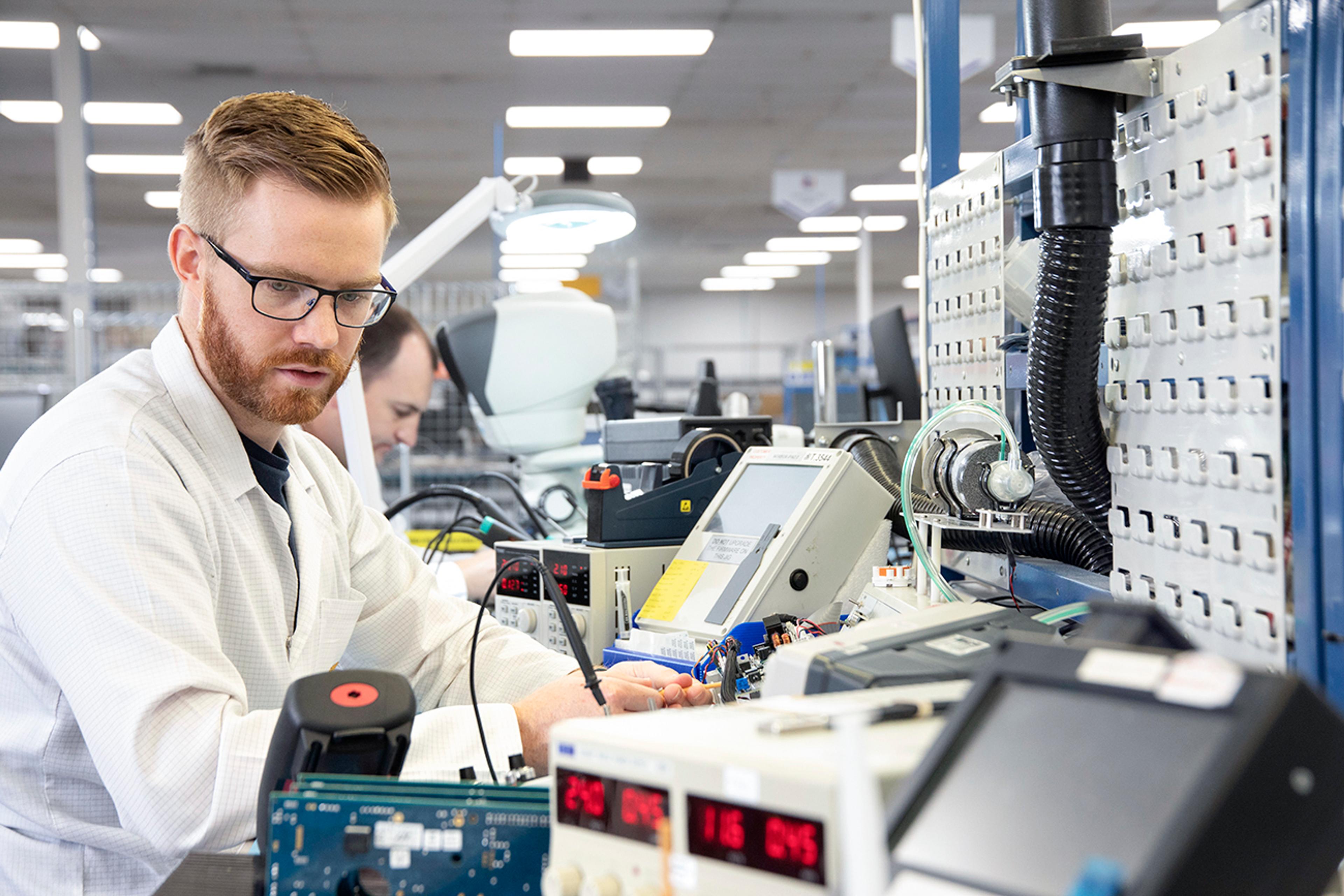
Verification manufacturing is conducted by Production Operators, supported by Production Engineering and customer Subject Matter Experts (SMEs). The process replicates real production conditions, using defined tooling, work instructions, and documentation to confirm consistency and traceability.
Sampling rationale follows accepted statistical guidelines - typically a minimum of three data points - to demonstrate process uniformity across critical build parameters.
Every element of the build - from operator training to part traceability - is reviewed and documented for audit readiness and validation continuity.
This stage confirms that your device, documentation, and processes are ready to enter full validation and regulatory submission.