Aspheric Polymer Lenses
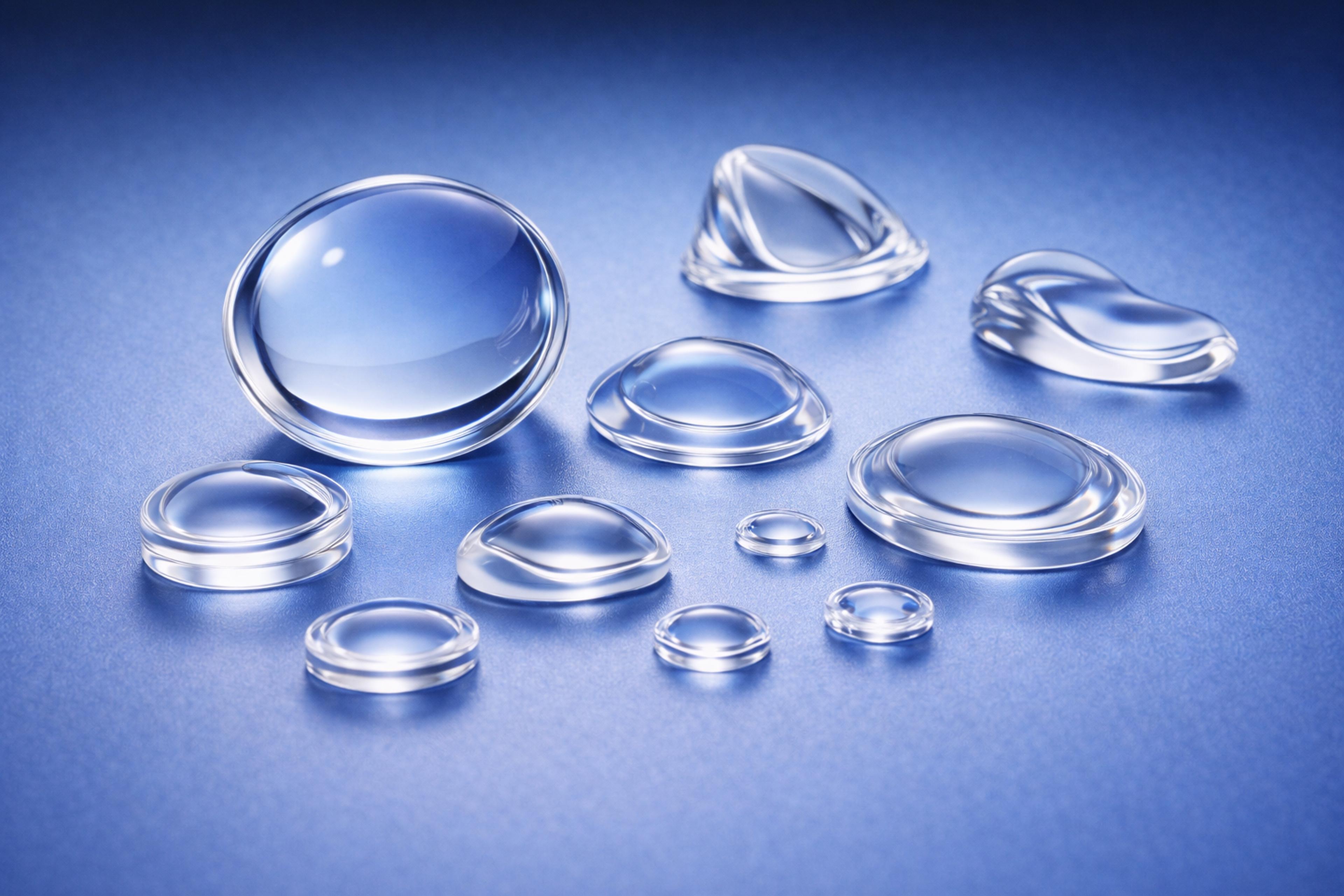
G&H | GS Optics manufactures precision aspheric polymer lenses for imaging, illumination, and sensing systems - engineered for performance and scalability.
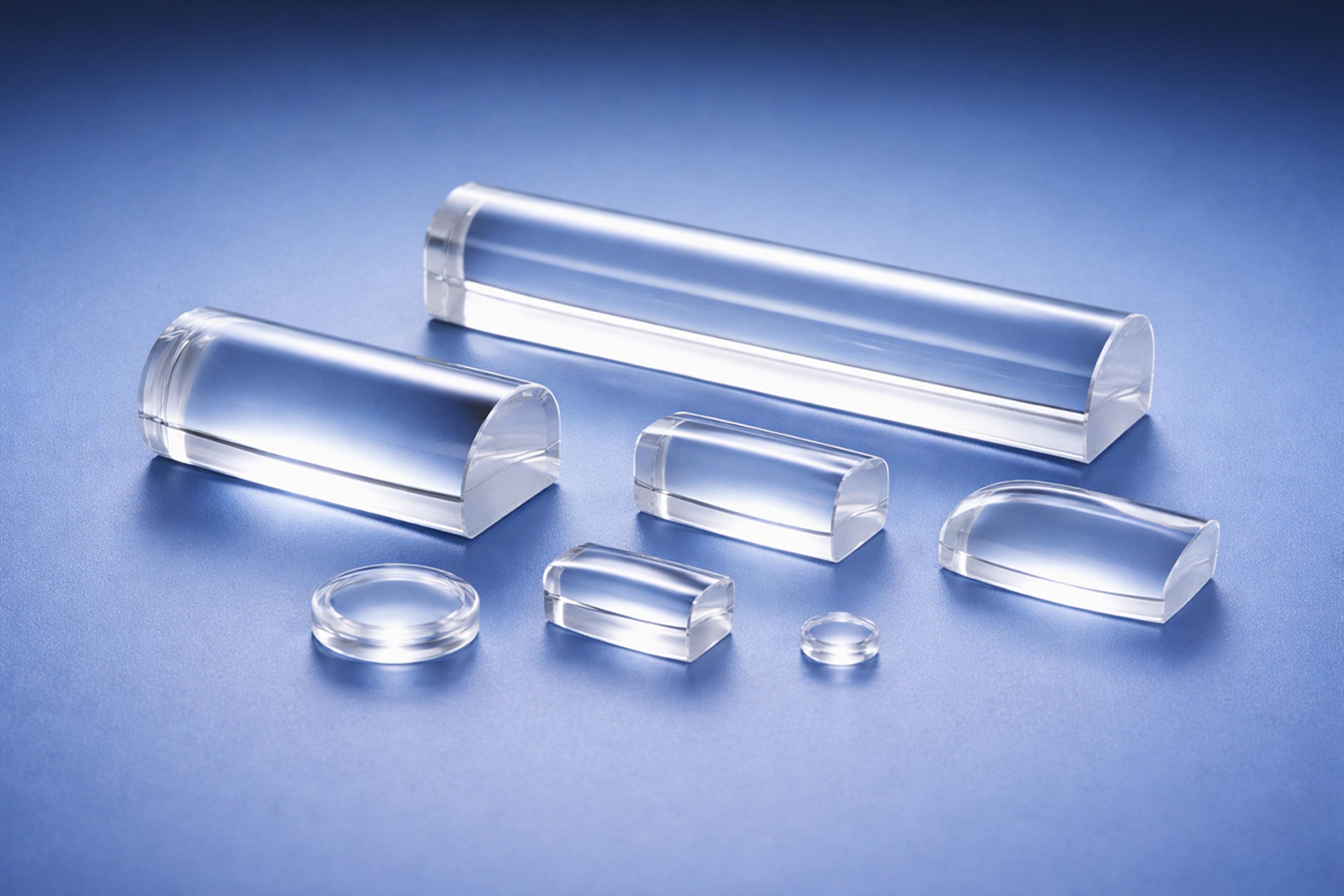
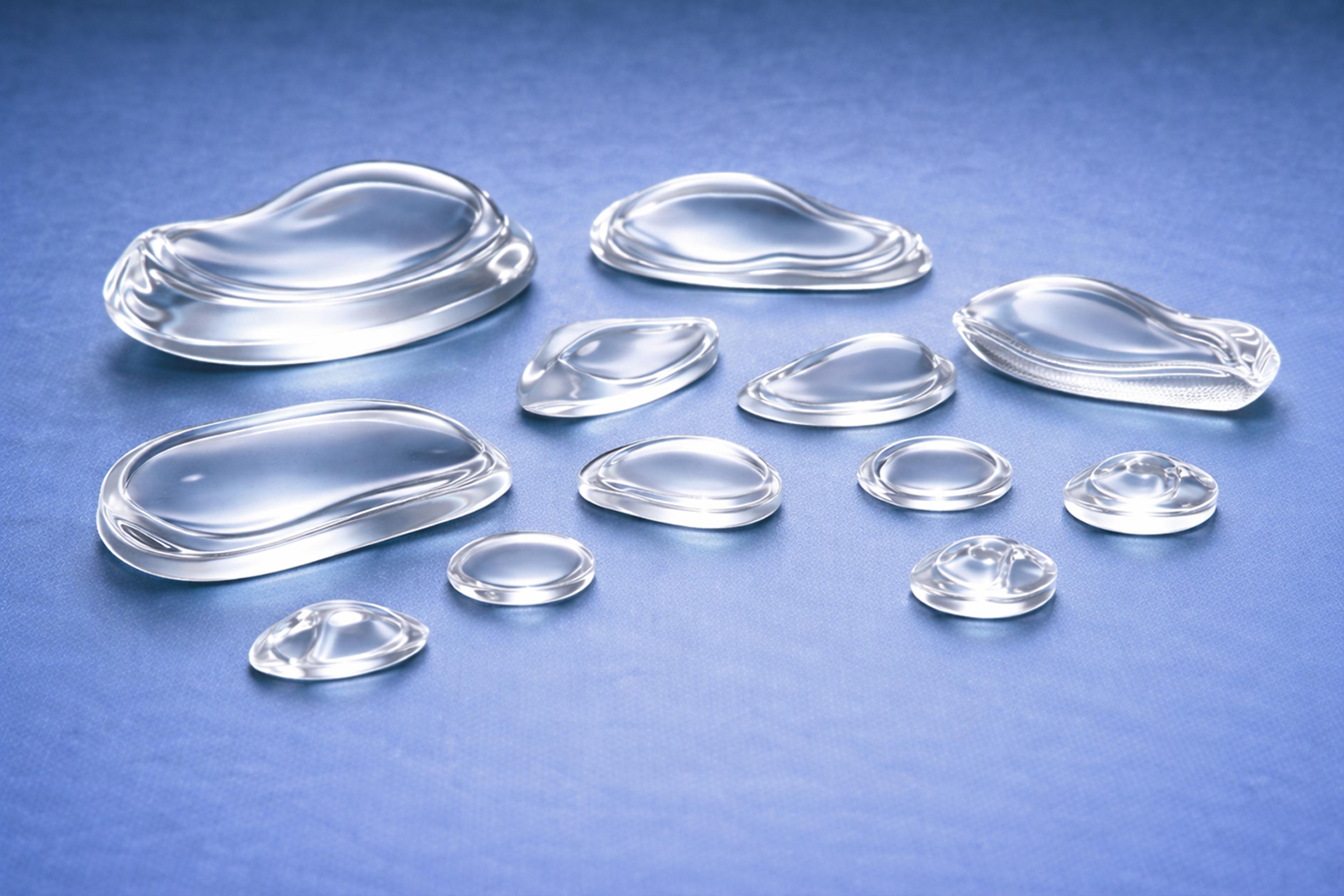
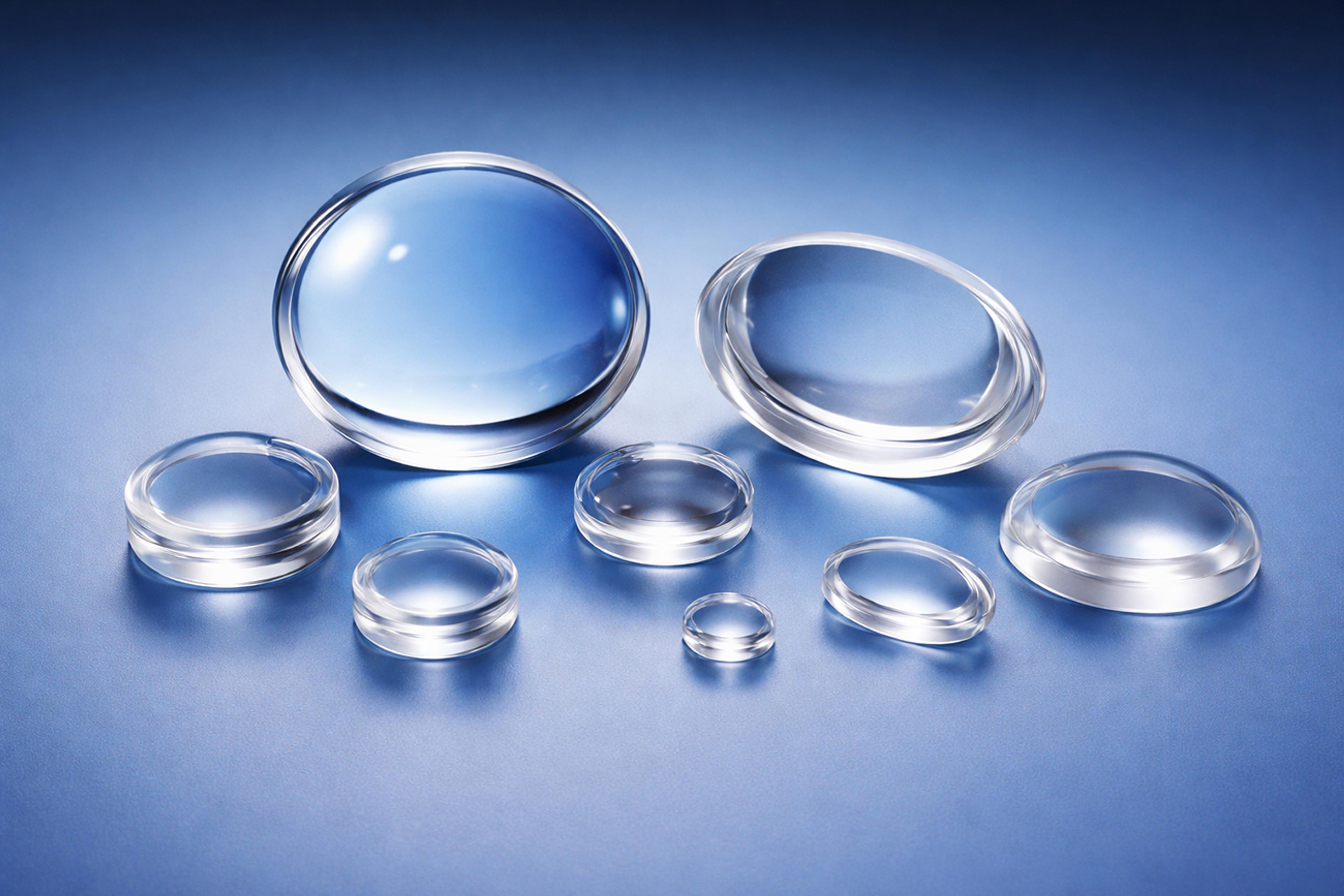
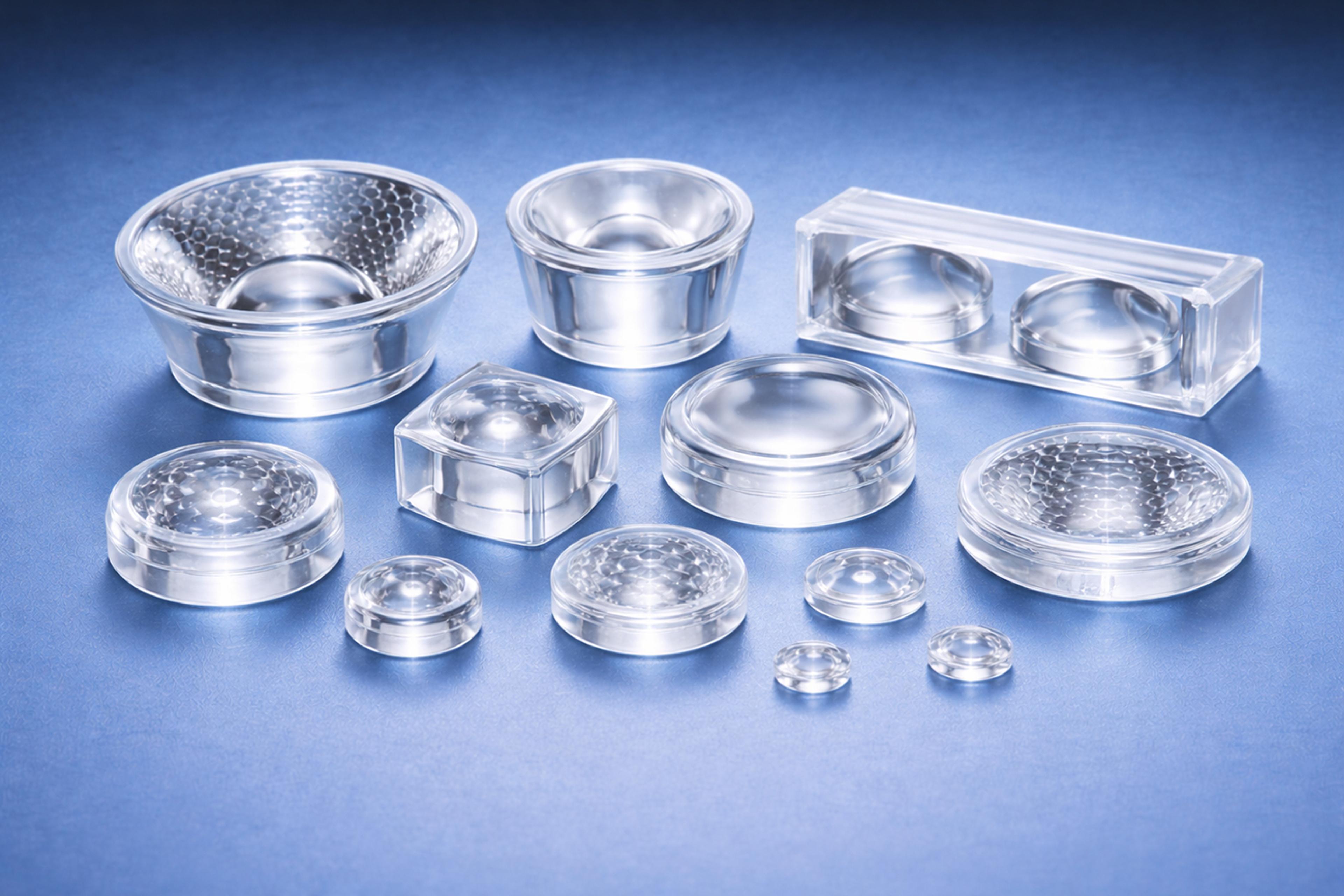
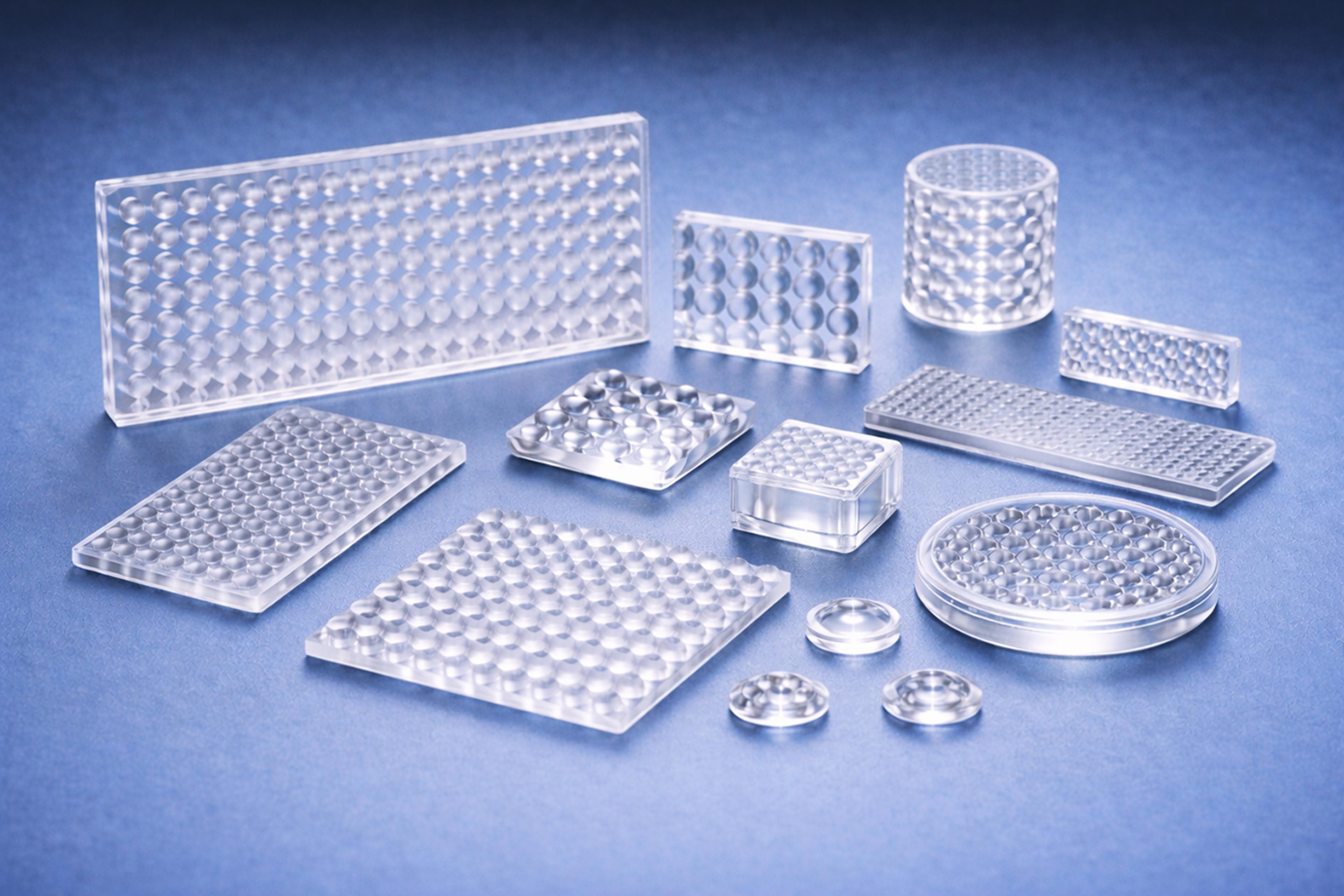
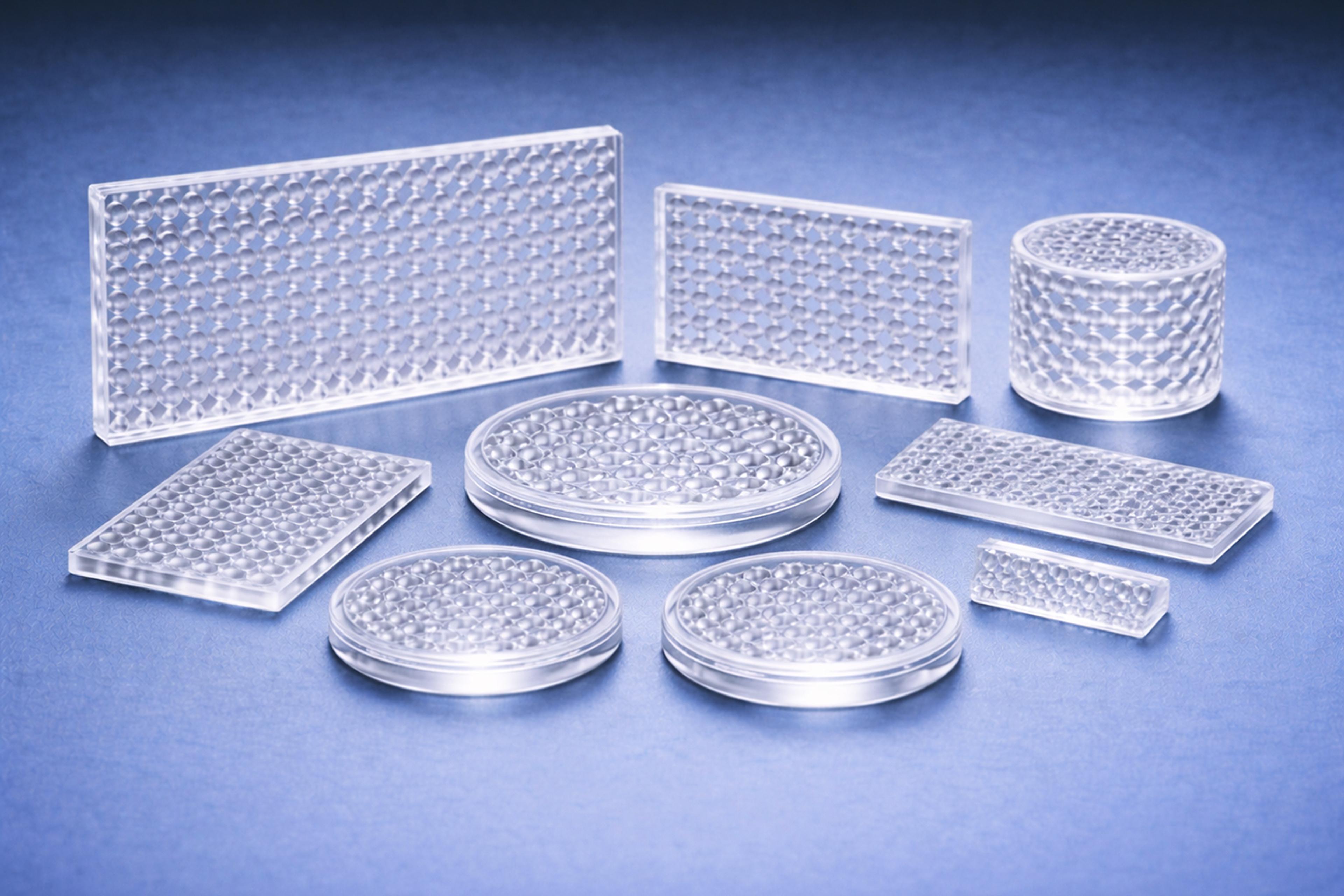
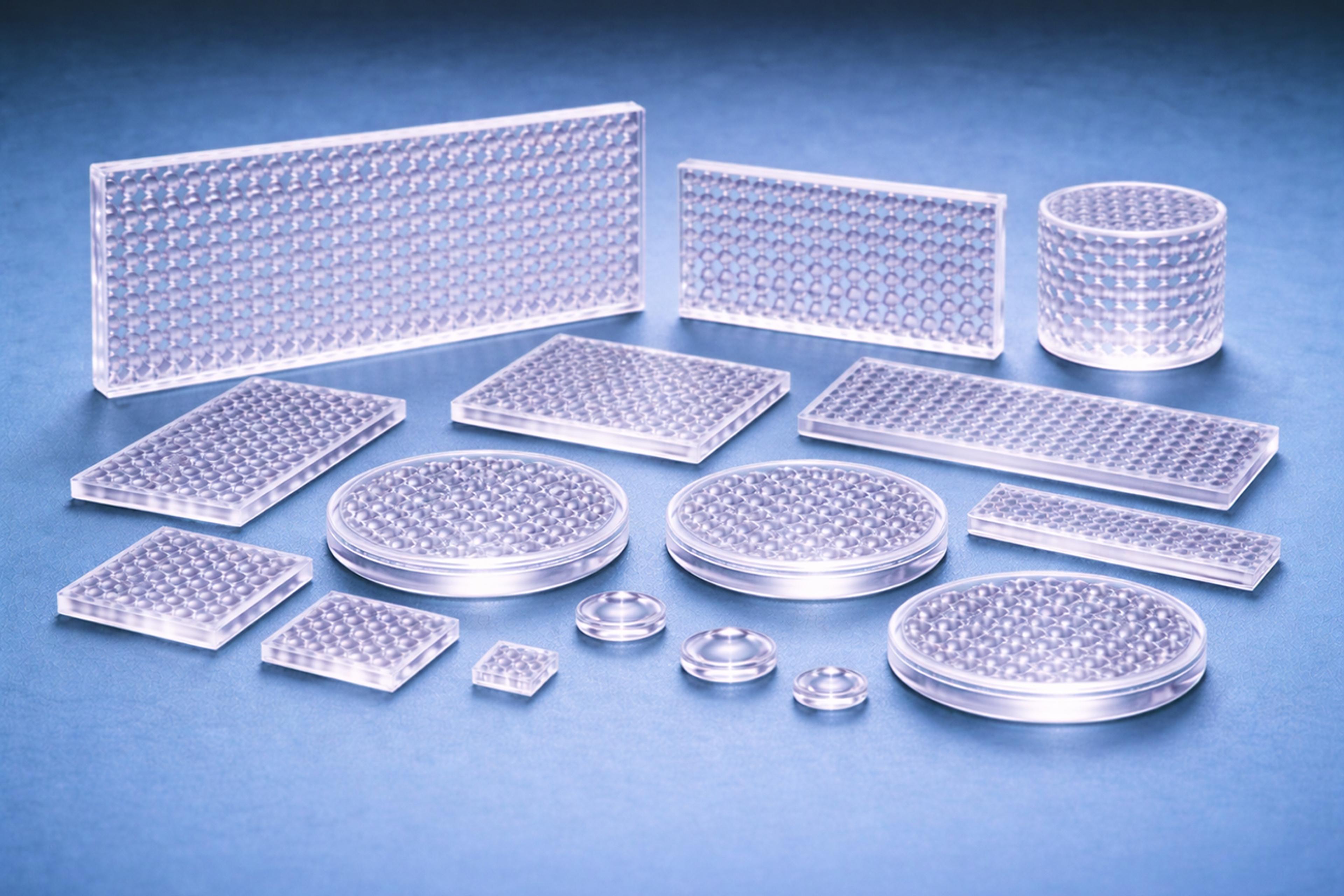
Refractive polymer optics are the foundation of many advanced imaging, illumination, and sensing systems. At G&H | GS Optics in Rochester, NY, we specialize in the production of custom molded polymer lenses that bend and direct light with precision from single-element aspheres to complex lens arrays. With over a century of polymer manufacturing expertise our team partners with OEMs to produce lenses that meet the tightest optical, mechanical, and environmental specifications. Each component is optimized for manufacturability, performance, and scalability.
A refractive optic changes the direction of light as it passes through a transparent medium. By varying surface curvature, refractive index, or geometry, polymer lenses can perform critical optical functions such as focusing, collimating, beam shaping, or light homogenization - often with lighter weight, lower cost, and higher integration potential than their glass counterparts.
Based on decades of expertise, G&H | GS Optics engineers provide our customers with DFM recommendations to ensure that their polymer optics programs are successful. Using mold flow simulations, we can model how resin will fill the mold during the injection molding process to better position gates, anticipate where knit lines will appear, and locate difficult to fill spots in the mold. G&H | GS Optics specializes in scientific injection molding which is a systematic, data-driven methodology to produce world class polymer optics.
Our integrated capabilities include:
We mold optics using a range of optical-grade thermoplastics to match system requirements for transmission, mechanical strength, and stability:
Refractive polymer lenses produced by G&H | GS Optics are subject to rigorous quality standards to ensure consistent, reliable performance. Each lens is measured using a variety of metrology equipment to verify dimensional accuracy, surface quality, and refractive characteristics.
To reduce risk after transferring from development to production, GS Optics can conduct a process validation through a combination of installation (IQ), operational (OQ), and performance (PQ) qualifications, ensuring process repeatability and consistent optical performance.
Quality assurance and process validation are separate activities
| Standard | Precision | |
|---|---|---|
| Focal length (%) | ±5 | ±2 |
| Radius of curvature (%) | ±3 - 5 | ±2 - 3 |
| Power (fringes) | 10 | 5 |
| Irregularity (fringes / 10mm) | 4 | 2 |
| Scratch / dig | 80 / 50 | 60 / 40 |
| Center thickness (mm) | ±0.1 | ±0.05 |
| Flange diameter (mm) | ±0.1 | ±0.05 |
| Concentricity (mm) | 0.1 | 0.05 |
| Center to edge thickness ratio | 1:1 | 3:1 |
| Surface roughness (Å RMS) | <75 | <60 |
G&H experts can customize products to your requirements.